By Andre Coleman, PowerVault Staff
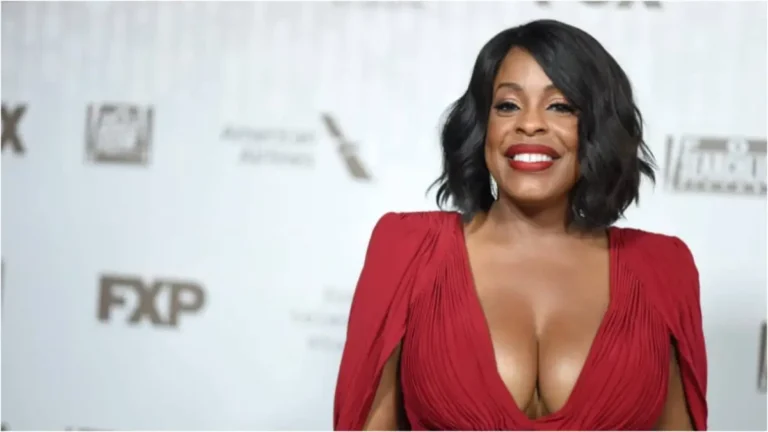
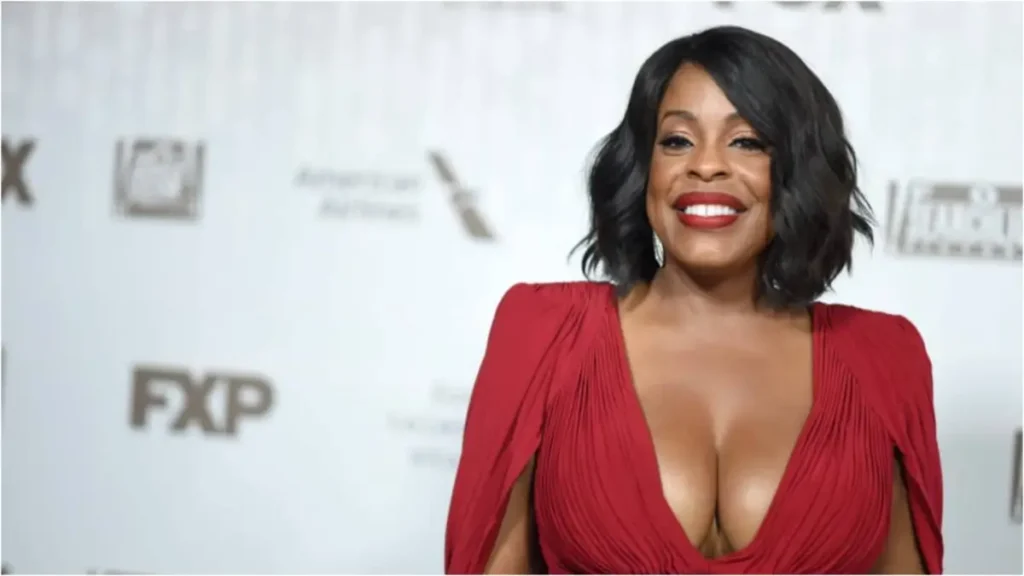
Picture this: the early 2000s, a time when reality TV was just finding its footing and hip-hop was solidifying its dominance in the culture. While MTV and BET ruled the airwaves, a comedy series called ‘Reno 911!’ burst onto the scene with its satirical take on law enforcement. But from its ensemble of quirky characters, one stood out—not just for her comedic chops but also for her unforgettable look. That character was Deputy Raineesha Williams, portrayed by the ever-fabulous Niecy Nash.
For years, fans have been divided over Nash’s wild look on the show. Some adored it as a bold statement, while others were left scratching their heads. Fast forward to now, Niecy Nash finally spills the tea on what inspired that iconic style. Her revelation is more than just a behind-the-scenes tidbit; it’s a reflection of how Black excellence often challenges norms and makes people question the status quo. Her explanation also taps into a deeper narrative about representation and the lengths to which Black creatives go to stand out in an industry that often tries to box them in.
Niecy Nash’s character in ‘Reno 911!’ was more than a comedic role; it was a statement. In a society where Black women are frequently misrepresented, Nash’s character was unapologetically loud, proud, and, most importantly, herself. This choice wasn’t just for laughs. It was a subtle nod to every Black woman who has ever been told to tone it down or fit into a mold that doesn’t quite capture their essence. From the elaborate wigs to the flamboyant attire, Nash was making a statement about the freedom of expression and representation. Her character’s style wasn’t just about humor; it was a declaration of independence.
This isn’t the first time a Black artist has used their platform to make a bold statement. Take, for instance, Lil’ Kim and her daughter Royal Reign’s fashion moment that stole the spotlight at Amazon’s runway show. Both moments remind us that style and fashion have always been powerful tools for Black artists to challenge stereotypes and rewrite narratives.
What’s fascinating about Nash’s revelation is how it adds another layer to understanding how Black joy and humor have shaped the cultural landscape. Her portrayal of Deputy Williams was not just comedy for the sake of comedy. It was a vehicle for exploring themes of identity, empowerment, and self-expression. This is similar to how hip-hop has evolved to become more than just a genre; it’s a cultural movement that speaks to issues far beyond its beats and rhymes. As highlighted in our piece on how Black joy is shaping the future of hip-hop and culture, this kind of expressive authenticity is vital for the evolution of Black culture.
It’s also worth noting that Niecy Nash’s journey is emblematic of a broader narrative concerning Black women in Hollywood. For decades, they’ve been paving their paths, often having to create spaces where none existed. Nash’s portrayal of Raineesha Williams was a key part of this journey. It wasn’t just about breaking into Hollywood but about breaking down walls that stood for too long.
So what does this revelation mean for the future? With Nash’s candidness about her past choices, there’s hope that more artists will feel empowered to take creative risks. It demonstrates the importance of authenticity and the impact it can have, not just on individuals but on the culture at large. This moment invites a broader conversation about how Black voices continue to influence various sectors—from entertainment to politics. Consider, for example, Uncle Luke’s challenge against Debbie Wasserman Schultz as another example of Black individuals stepping up to influence change and assert their presence.
Niecy Nash’s disclosure serves as a reminder of the power of storytelling and the importance of owning one’s narrative. As the world continues to evolve and the fight for representation presses forward, her revelation is a testament to the impact of being unapologetically oneself. As we look to the future, it’s clear that these stories, these moments of truth, will continue to shape the cultural landscape for years to come. Maybe it’s time for a ‘Reno 911!’ reunion, where the legacy of Raineesha Williams can once again remind us why standing out is far more powerful than fitting in.
About The Author