By Andre Coleman, PowerVault Staff
Picture a classroom buzzing with anticipation. Students are ready to learn, pencils are sharpened, and backpacks are packed. But imagine if those backpacks were filled not just with supplies, but with the essence of their own culture and heritage. That’s the power of Black-owned school supply brands—bridging the gap between education and cultural empowerment.
Black entrepreneurs have been rewriting the narrative for years, turning what was once seen as a gap in the market into a powerful statement of identity and ownership. Just like how Niecy Nash’s look on ‘Reno 911!’ sparked conversations about representation on TV, these brands are making waves in the school supplies industry, reminding us that education and culture can go hand in hand.
But why is supporting these brands so crucial? Well, let’s take a walk down memory lane. Remember when hip-hop was just breaking into the mainstream? The cultural significance was undeniable, yet it faced resistance. Fast forward to today, and hip-hop is not just music; it’s a multi-billion-dollar industry shaping fashion, politics, and even education. Black-owned school supply brands are part of this cultural evolution. They are not just selling products; they are selling empowerment, identity, and pride.
Take for instance a brand that might sell notebooks adorned with artwork reflecting African heritage or quotes from Black leaders that have paved the way for future generations. These aren’t just school supplies; they are tools that inspire students to see their potential and embrace their heritage. It’s a subtle yet profound way of injecting a sense of pride and confidence into the academic journey of our young ones.
It’s akin to how T.I. and Tiny’s vow renewal in Jamaica was more than a just celebration of love—it was a celebration of Black heritage and culture. Similarly, these brands are not just about selling pencils and erasers; they’re about crafting stories, heritage, and legacy into everyday learning materials.
Now, let’s talk about why this matters in the long run. With the rise of social consciousness and the call for diversity and representation in all sectors, these brands are answering a call. They are ensuring that Black children not only learn with the right tools but also learn about who they are in the process. This is crucial for the development of self-esteem and personal pride, much like how Black Joy is shaping the future of hip-hop and culture.
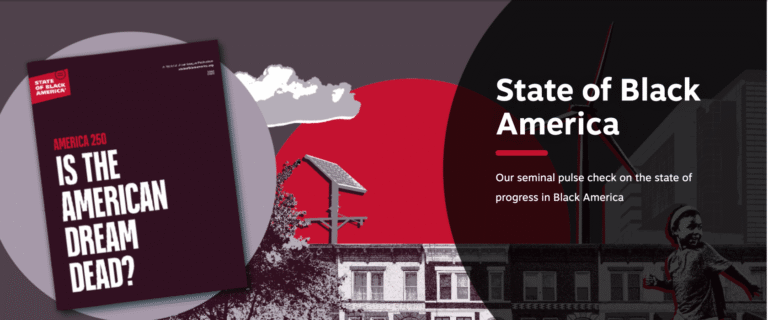
Yet, it’s not just about the kids. By supporting Black-owned brands, community members and parents can invest in businesses that reflect and uphold their values. This, in turn, strengthens the Black economy, much like how the Urban League report highlights the importance of Black economic progress amidst challenging political landscapes.
As we look forward, it’s clear that the ripple effect of supporting these brands will be felt far beyond the classroom. Imagine a world where every child learns with tools that fully reflect their history and potential. Where school is not just a place for academic growth, but also for cultural celebration. This is the vision these brands are working towards, and it’s a vision worth investing in.
In a similar way to how Shreveport is honoring The Showboys for their contribution to hip-hop, supporting Black-owned school supply brands is about acknowledging and celebrating contributions that have often been overlooked. It’s about creating spaces where every child can see themselves reflected in the world around them.
As the school year rolls on, keeping an eye on the growth and impact of these brands will be essential. Their success is not just a win for entrepreneurs; it’s a win for the culture. Much like how the death of Ghana’s tallest man touched so many lives, the journey of these brands is about more than commerce—it’s about community, culture, and change.
About The Author