By Simone Walker, PowerVault Staff
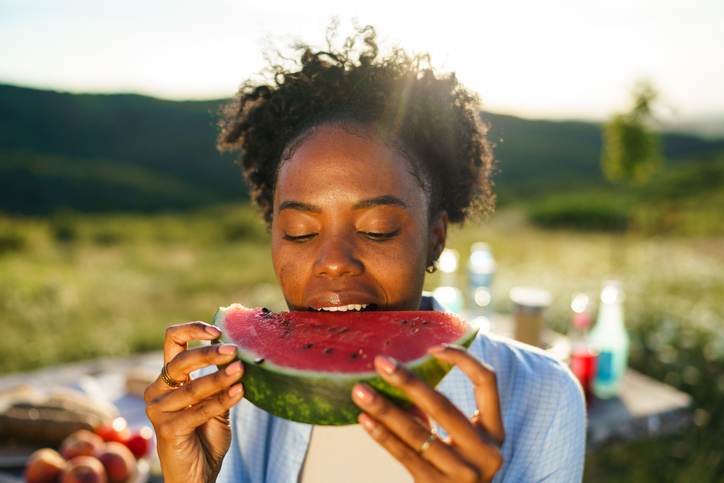
Picture this: a sunny summer afternoon, the smell of barbecues wafting through the air, kids laughing and running around the yard, and a big, juicy slice of watermelon in your hand. It’s more than just a refreshing treat; it’s a staple of summer gatherings and celebrations. But beneath its sweet exterior lies a bitter history that needs unraveling. So why did watermelon become a racist stereotype, and what’s the significance of reclaiming this symbol today?
Watermelon, with its vibrant colors and hydrating sweetness, has been around for centuries. Originally from Africa, this fruit traveled to the American shores and was cultivated by enslaved Africans who recognized its potential not just as a food source, but as a promise of economic freedom. Post-Civil War, newly freed Black Americans grew watermelons, turning the fruit into a symbol of their newfound independence and prosperity. This success story, however, didn’t sit well with everyone.
The backlash was swift and insidious. By the late 19th century, white supremacists weaponized watermelon as a tool for racist caricatures. They twisted the image of the watermelon-eating Black person into a derogatory stereotype, used to undermine and ridicule the achievements of Black communities. It was a concerted effort to strip away the dignity that came with the fruit’s association with independence and self-sufficiency.
Fast forward to today, and the shadow of this stereotype still lingers. Despite its racist past, watermelon remains a beloved fruit, particularly in Black communities. But the journey to reclaiming its symbolism is complex. Just like Black joy is shaping the future of hip-hop and culture, reclaiming the watermelon challenges these outdated racist notions and embraces the fruit’s historical significance.
This process of reclamation isn’t just about watermelon; it’s part of a larger movement to reclaim and redefine cultural symbols that have been appropriated or maligned. It’s akin to how hip-hop artists have taken charge of their narratives—like when Swae Lee embraces AI in music, charting new paths in an industry that once tried to confine them.
Moreover, the act of reclaiming watermelon is a declaration of cultural pride and resilience. In the same spirit that hip-hop redefined music and culture, taking back watermelon signifies a broader push against historical inaccuracies and racial misconceptions. It’s about taking control of the narrative and refusing to let past injustices dictate the present.
But why does this matter? Well, reclaiming symbols like watermelon can shift cultural perceptions and foster a deeper understanding of Black history and achievements. It’s about dismantling the tools of oppression and celebrating what has always been ours. It’s akin to why K. Michelle is releasing a country album—to broaden horizons and dismantle stereotypes about what Black artists can achieve.
Ultimately, this is more than just about a fruit; it’s about rewriting narratives that have been unjustly written for us. It’s about Black communities standing tall and saying, “We’re more than the stereotypes you imposed on us.” The ripple effect of this act can be profound, encouraging younger generations to embrace their heritage with pride and awareness.
As we move forward, there’s hope for more cultural symbols to be reclaimed, rewritten, and celebrated as part of the rich tapestry of Black history and culture. The journey of the watermelon is a reminder that the past doesn’t have to define the future, and that every symbol, every story, can be redefined in the light of truth and pride. So the next time you enjoy a slice of watermelon, remember not just its sweetness, but the resilience it represents. That’s the power of reclaiming our narrative, and that’s what makes this moment significant in the ongoing story of Black culture and excellence.
About The Author