By Simone Walker, PowerVault Staff
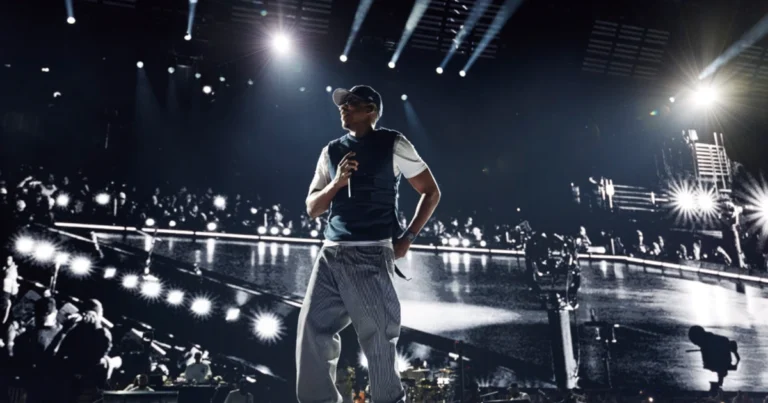
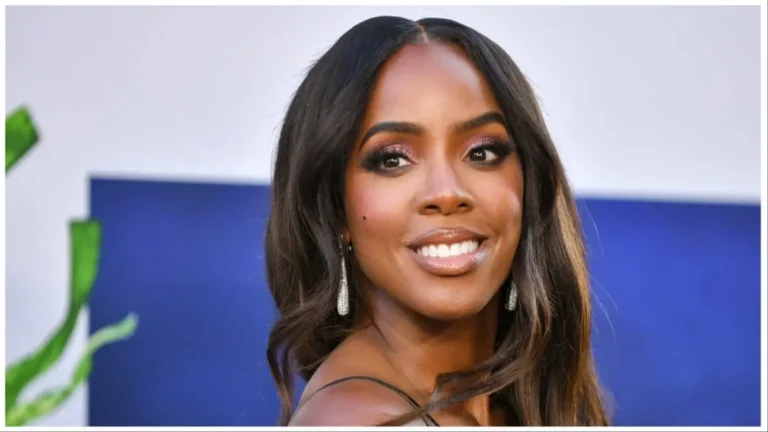
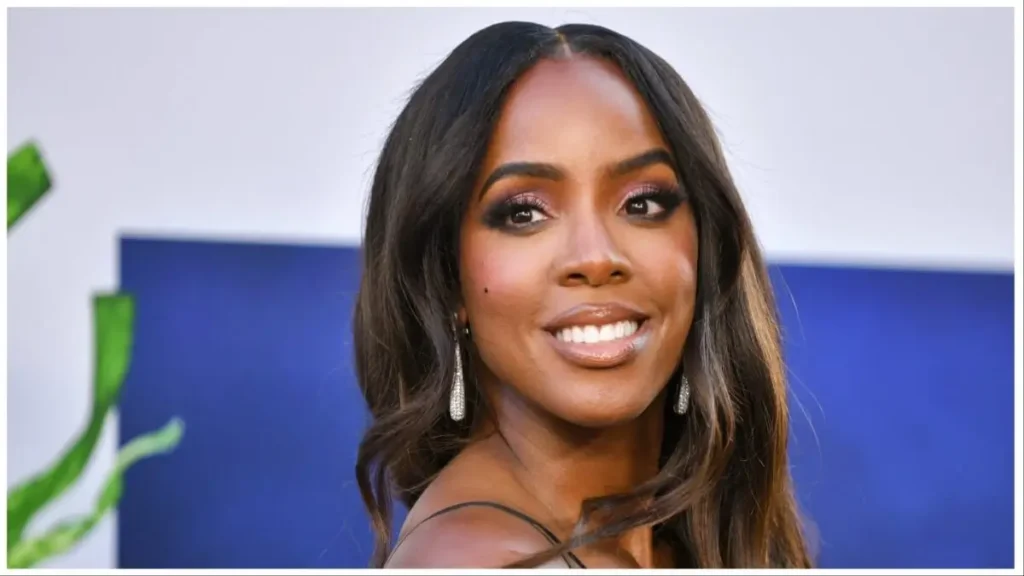
Imagine the scene: a packed venue in Chicago vibrating to the soulful sounds of Kelly Rowland. She’s in her element, weaving through her hits with the kind of effortless grace that only years in the game can bring. But then, out of nowhere, she pauses. The energy shifts. Something is off and the audience can feel it.
Kelly Rowland, a name synonymous with poise and power, had to stop her show in Chicago for a reason that highlights why she’s more than just a performer; she’s a protector. While on stage, Kelly locked eyes with a fan whose demeanor was anything but typical for a Rowland concert. In a moment that seemed straight out of a thriller, Kelly gave a signal, and security swiftly removed the individual from the venue. The quick thinking on her part ensured the safety and continuation of an evening that was meant to celebrate music and community.
This isn’t the first time an artist has had to take action to ensure their audience remains safe. Remember when Ariana Grande stepped back from the spotlight following the tragic events in Manchester? Safety at concerts has become a prime concern, more so in an era where live events are meant to be a space of pure joy and escape. Artists like Kelly, who are deeply invested in their fans’ wellbeing, remind us that the show isn’t just about entertainment; it’s about creating a safe environment for everyone involved.
For those who grew up on Destiny’s Child, Kelly Rowland’s presence on stage is almost like a homecoming. It’s a reminder of the times when ‘Independent Women’ was the anthem for a generation of Black girls finding their voice in a world that often tries to silence them. A world where resilience isn’t just a word but a way of life. So when Kelly makes a move like she did in Chicago, it’s bigger than just a moment; it’s about setting standards and showing leadership.
There’s also an important cultural context here. The vigilance shown by artists and their teams at events is part of a larger dialogue within the Black community about safety and the spaces we occupy. From protests against systemic oppression to reclaiming symbols that have been used against us, like the watermelon stereotype, these actions are about asserting the right to exist freely and safely.
The incident with Kelly in Chicago might seem like a small blip in the grand scheme of things, but it echoes a larger movement. A movement where Black artists, athletes, and public figures are consistently finding themselves in positions where they have to balance the scales between their art and their duty to their community. It’s like watching LeBron James not just dominate on the court but also speak up on issues like voting rights and education for Black and Brown communities.
This moment also brings to mind a question: what does it mean for the future of live performances in our culture? With technology advancing and artists becoming more vocal about the conditions under which they perform, we might be on the cusp of seeing a new era of concert experiences. An era where artists have more control over their surroundings, ensuring that their spaces remain safe and inclusive for everyone. Just as Black joy is shaping the future of hip-hop and culture, our approach to safety and community in these spaces might also evolve.
As we look forward, it’s crucial to recognize that each of these moments adds up. They create a narrative that defines our culture and our community’s resilience. Kelly Rowland’s quick action in Chicago may have been about a single concert, but it also serves as a reminder that vigilance and care are part of the DNA of Black culture. It’s about safeguarding spaces where we celebrate our wins, our music, and ultimately, each other.
So, what’s next? As fans and as a community, we keep showing up. We support artists like Kelly who understand the stakes and who are willing to take a stand, even in mid-performance. Because at the end of the day, it’s not just about the music; it’s about creating a world where we can all feel at home, even in the midst of a crowd.
About The Author