By DeShawn Price, PowerVault Staff
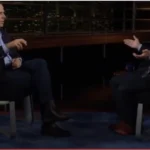
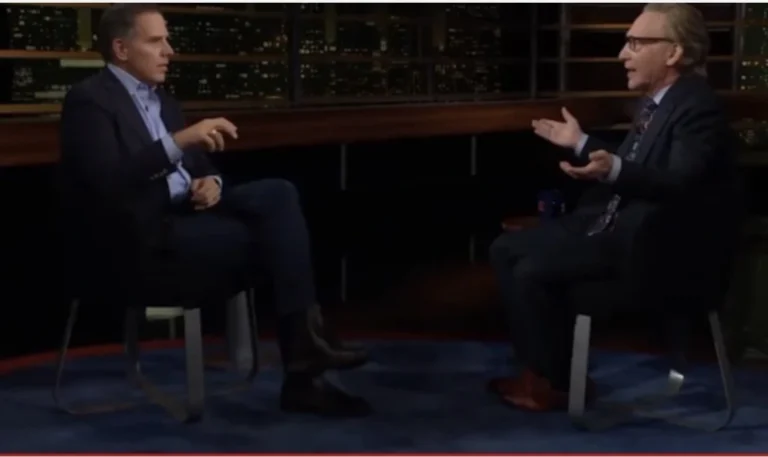
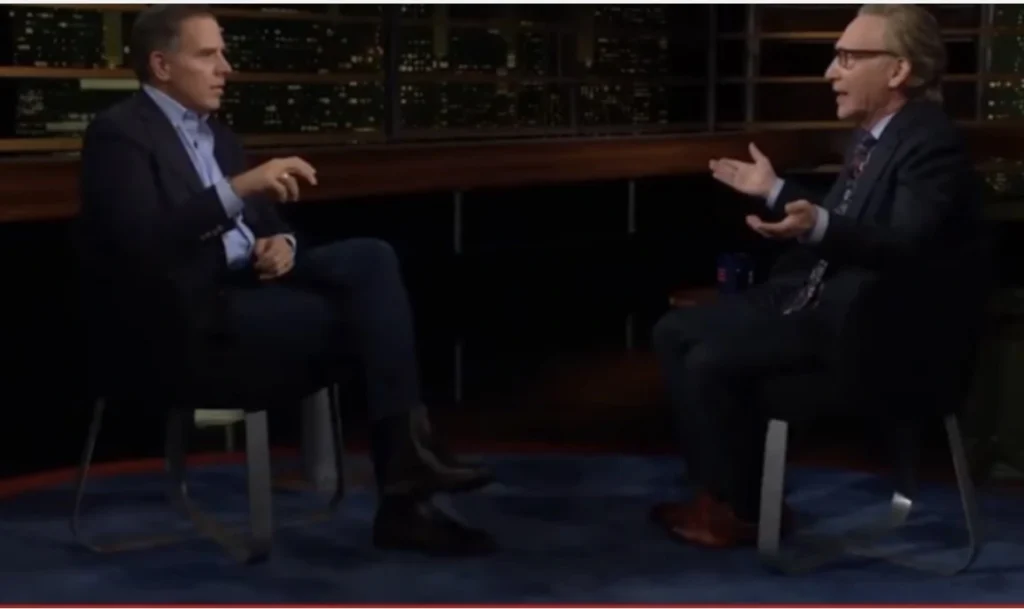
When you think of unexpected moments that shake up the usual narrative, Hunter Biden stepping into Bill Maher’s world and flipping the script might not be the first thing that comes to mind. But then, if hip-hop has taught us anything, it’s that battles often come from unexpected corners. Whether it’s the surprise drop of a diss track or a beef that bubbles up overnight, the culture thrives on the unexpected. And so, in a recent tête-à-tête with Bill Maher, Hunter Biden delivered a moment that could be labeled as this year’s equivalent of a lyrical ambush.
Bill Maher, known for his often unfiltered takes and no-holds-barred interviews, found himself on the back foot as Hunter Biden laid a rhetorical trap involving Natalie Harp and former President Barack Obama. It’s not every day that a guest turns the tables on Maher, a man who’s made a career out of making others squirm under the spotlight. But here we are, witnessing a rare moment when the host becomes the hapless subject.
The exchange was a reminder of the power dynamics at play when someone decides to step out of the expected narrative. It’s reminiscent of those times when a newcomer in hip-hop throws shade at a veteran, flipping the power structure and demanding respect. This is the essence of what keeps the culture alive — the constant push and pull, the challenge of authority. Hunter’s move echoes how artists like Drake and Kendrick Lamar have used moments of confrontation to shift the landscape, demonstrating that the outsider can often wield more influence than the perceived gatekeeper.
So why does this moment matter beyond the confines of late-night TV banter? For one, it highlights the shifting narratives in political discourse. Maher, often seen as a voice of liberal media, facing a challenge from Hunter Biden, is a signal of how the lines are increasingly blurred between traditional media narratives and the raw authenticity that audiences crave. It’s the same craving that powers the engine of hip-hop — the desire for unvarnished truth, even when it’s uncomfortable.
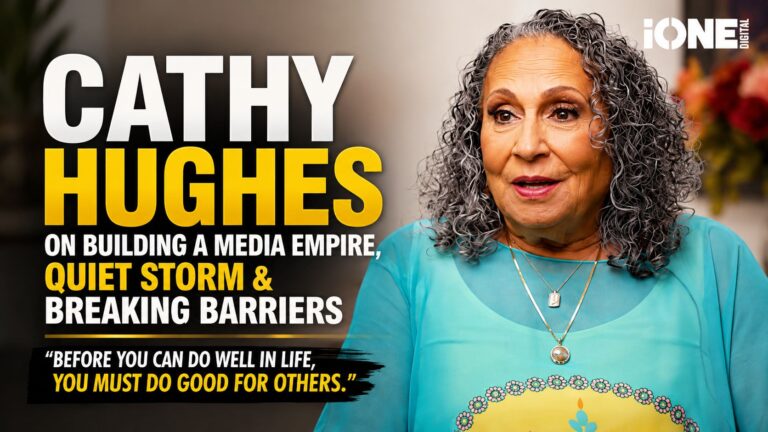
This encounter is not just about the individuals involved but speaks to a larger cultural phenomenon. It reminds us of how figures like Cathy Hughes have revolutionized Black media by demanding space for real stories told from a genuine perspective. Similarly, Hunter’s confrontation with Maher is a call for authenticity and a challenge to the status quo.
Let’s not forget the historical parallels either. Think about when Kanye West interrupted Taylor Swift at the VMAs. It was chaotic, unexpected, and it sparked a conversation that went beyond the moment. Hunter’s trap wasn’t just an isolated incident; it’s part of a larger tapestry of moments where the underdog or outsider forces a cultural reckoning, demanding the audience reconsider their assumptions.
What’s next in this evolving narrative? As with any good hip-hop beef, the aftermath will depend on the responses and the ripple effects. Will Bill Maher address this clash in future episodes? Will it influence how he approaches interviews with other sensitive or controversial figures? Similarly, how Hunter navigates this newfound attention could shape his persona in the public eye. Just like how Drake’s diss to Kendrick Lamar shifted perceptions in the rap game, this encounter could redefine how political and media figures engage publicly.
As this story unfolds, it serves as a reminder of the ever-evolving nature of both media and hip-hop culture. Just as cultural exhibitions reinterpret our past, moments like these make us rethink our current narratives. They urge us to remain vigilant and prepared for the unexpected, as each moment could be the next pivot point in our shared cultural journey.
About The Author