By Simone Walker, PowerVault Staff
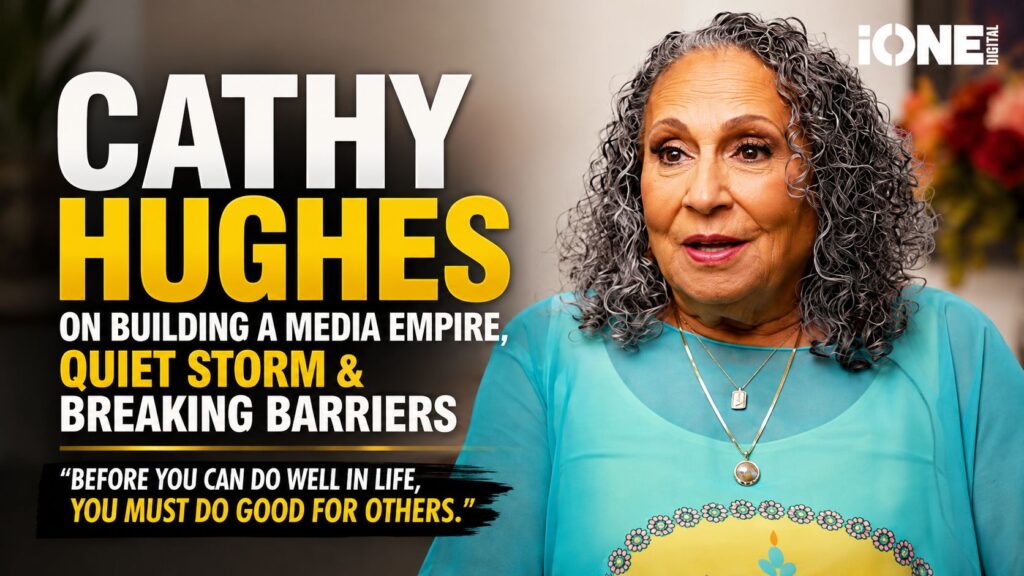
Picture this: The bustling streets of Washington, D.C., a city steeped in American history, serve as the backdrop for a momentous occasion. Amidst its iconic monuments and government buildings, a figurehead of Black excellence steps forward to receive one of the highest honors a city can offer – a key to its heart. This isn’t just a ceremonial gesture; it’s a powerful statement of recognition for Cathy Hughes, the trailblazing founder of Urban One, who has dedicated 55 years to transforming the landscape of Black media.
But why does this matter now? Because in an age where media conglomerates often drown out Black voices, Hughes’ recognition is a rallying cry. It’s a reminder that Black narratives deserve to be told by those who live them. Urban One, under Hughes’ visionary leadership, has become a beacon for Black stories, music, and culture. Her journey is a testament to the power of representation and advocacy journalism, which continues to be a lifeline for communities seeking authenticity and truth.
Cathy Hughes’ story is one of resilience and determination. Before Urban One became the largest Black-owned media company in the country, Hughes was a single mother working tirelessly to make ends meet. Her dream was rooted in giving Black people a platform that reflected their reality, not what mainstream media prescribed. Sound familiar? It echoes the journey of countless other Black entrepreneurs, like those facing challenges after Target’s decision to drop LikeU cards, who strive to create spaces that center Black voices.
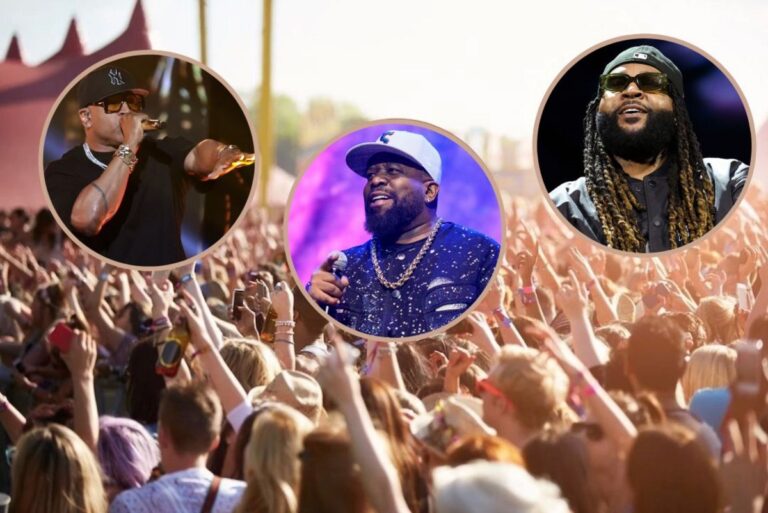
Urban One’s influence extends beyond radio waves. It’s a cultural cornerstone that has amplified voices and stories that might have otherwise been lost. Remember when the likes of Common emerged as influential wordsmiths, telling stories that resonated deeply within the Black community? Hughes has served as a similar conduit, nurturing media personalities whose voices speak truth to power. Common’s influence on new artists like Odeal is a testament to the enduring power of authentic voices in shaping the music and media landscape.
In today’s rapidly shifting media environment, where algorithms often dictate what stories are told, Hughes’ legacy reminds us that control over our narratives is more crucial than ever. The key to the city isn’t just a symbolic gesture; it’s an acknowledgment of Hughes’ unwavering commitment to ensuring Black stories are heard loud and clear. It’s a recognition that her work has paved the way for more inclusive media, pushing against the tide of erasure and marginalization.
Hughes’ journey with Urban One also draws parallels with the transformative work being done at historically Black colleges and universities. Just as Cathy Hughes has fought to amplify Black voices in media, institutions like Jackson State University are revolutionizing research and education, fueling the pipeline of Black excellence across industries.
The recognition of Cathy Hughes is more than just a personal achievement. It’s a turning point for Black media, a sector that has historically been sidelined but remains essential in shaping the cultural and political discourse. As we look to the future, the goal should be to build on Hughes’ legacy by continuing to break down barriers and creating new opportunities for Black voices to shine.
So, what’s next? As media consumption evolves, the challenge will be to maintain the integrity and authenticity that Hughes and Urban One represent. This moment is not just a chapter in her story; it’s a call to action for the next generation of media leaders. They must continue to innovate, advocate, and ensure that Black stories remain at the forefront of the national conversation.
In honoring Cathy Hughes, we celebrate a visionary who has laid the groundwork for a media landscape that reflects the diverse tapestry of Black life. The key to D.C. is not just a symbol; it’s a torch passed on to those who will carry her legacy forward, ensuring that Black voices are never muted.
About The Author