By Jasmine Reed, PowerVault Staff
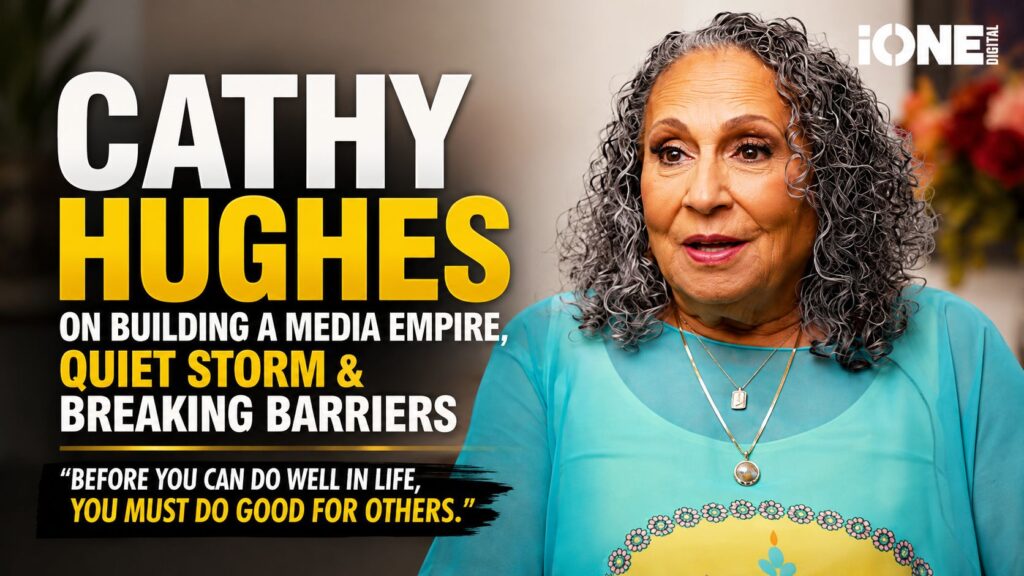
Picture this: it’s late at night, and the sultry sounds of smooth jams fill the airwaves. The Quiet Storm is rolling through the radio speakers like a gentle breeze. It’s not just a radio format; it’s a cultural phenomenon that changed how Black America connected with music. Behind this iconic movement is a powerhouse of a woman: Cathy Hughes.
Cathy Hughes, the mastermind behind the Quiet Storm, didn’t just stop at revolutionizing FM radio. She went on to build Urban One, a multimedia empire that stands as a beacon of Black excellence and media innovation. In an industry that often sidelines voices of color, Hughes carved her own path, refusing to let barriers hold her back. Her story is one of resilience, vision, and relentless determination.
Let’s take it back to the 1970s when Hughes first introduced the Quiet Storm radio format at WHUR-FM, Howard University’s radio station. This was a game-changer. With its smooth R&B sounds and late-night vibes, Hughes created an intimate listening experience that resonated deeply with audiences. It wasn’t just about the music; it was about creating a space for Black voices and stories to be heard, even when the mainstream media wasn’t interested.
But the Quiet Storm was just the beginning. Hughes’ real impact came when she founded Radio One (now Urban One) in 1980. In a media landscape dominated by white-owned conglomerates, Urban One became the largest Black-owned broadcast company in the country. Hughes didn’t just break barriers; she shattered them, showing the world that Black voices matter and deserve to be at the forefront of media.
The significance of Hughes’ achievements goes beyond radio. Her work has paved the way for the next generation of Black media moguls, proving that it’s possible to create a successful business that centers Black culture and experiences. Hughes’ legacy is a testament to the power of representation and the importance of owning our narratives.
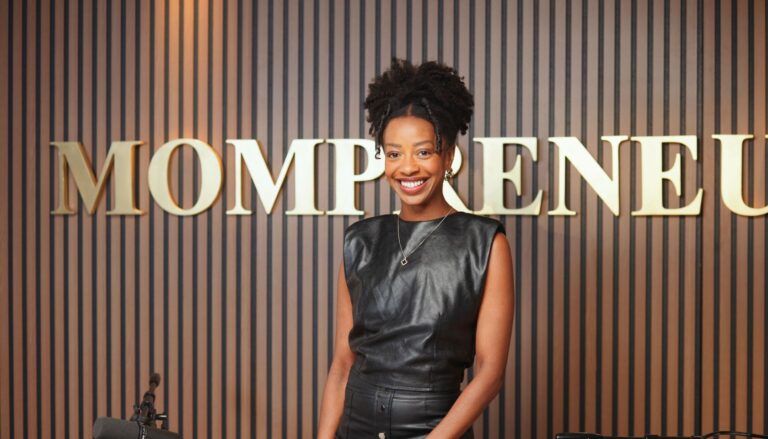
Take a look at how Keke Palmer has been influenced by trailblazers like Hughes. Just like Cathy Hughes, Keke Palmer has learned to use her platform to amplify Black voices and tell stories that matter. The ripple effect of Hughes’ work is seen in every corner of the entertainment industry.
But let’s not forget the challenges that still exist. Even though Hughes has made significant strides, the media industry is still rife with racial disparities. Black media outlets often struggle for funding and recognition, while mainstream networks co-opt Black culture without giving credit where it’s due. Hughes’ fight is far from over, and the need for Black-owned media is more critical than ever.
This brings us to why Cathy Hughes’ story matters today. In a world where media shapes perceptions and influences decisions, having control over our narratives is crucial. Hughes has shown that it’s possible to build a media empire that stays true to its roots, champions diversity, and uplifts the community.
As we celebrate Cathy Hughes on National Radio Day, it’s essential to recognize what’s at stake. The legacy of Black media is a powerful tool in the fight for equality and representation. It’s about telling our own stories, on our own terms. Looking ahead, there’s much to watch for in the world of Black media. As technology evolves and new platforms emerge, there’s an opportunity to expand Hughes’ vision even further. It’s about pushing boundaries, innovating, and ensuring that Black voices are heard loud and clear.
Urban One continues to be a trailblazer, evolving with the times while staying true to its mission. In an era where digital media is king, the company’s ventures into TV and online platforms are crucial. Just like how HBCUs are revolutionizing education, Urban One is transforming the media landscape.
Cathy Hughes’ story is not just one of personal success; it’s a story of empowerment, community, and cultural preservation. It’s about lifting as we climb and ensuring that our voices are never silenced. As we look to the future, the lessons from Hughes’ journey are more relevant than ever. Let’s take up the mantle and continue her legacy, proving that Black excellence in media is here to stay.
About The Author