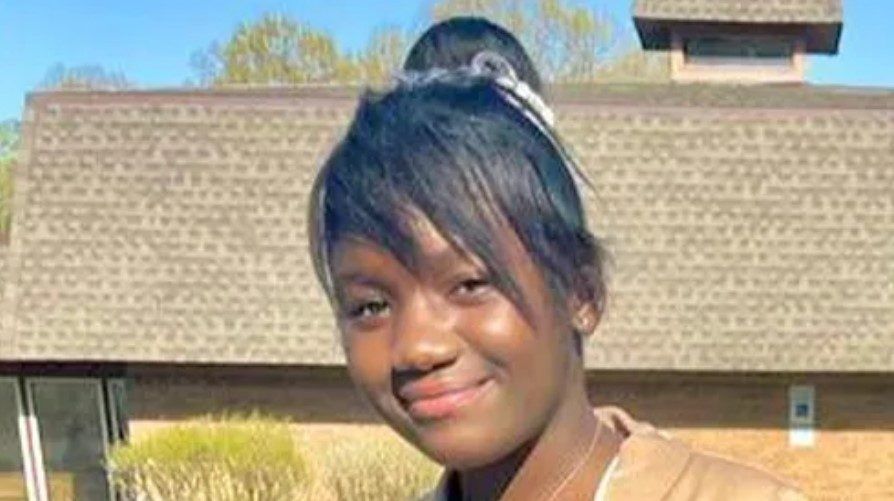
In a haunting echo of America’s dark past, the community in Charlotte, N.C. is grappling with the shocking and tragic death of 16-year-old Juliana Nzita, who was found hanging from a tree, 11 days after her disappearance. Authorities have labeled her death a suicide, but for many, the circumstances surrounding her passing raise alarming questions that demand further scrutiny. How can we ignore the chilling historical context of African Americans found in similar positions? The specter of lynching looms large over this case, igniting fears that resonate far beyond the immediate tragedy.
Juliana’s story is not just about her life lost; it’s about a community’s struggle for justice and clarity in a world that too often dismisses their pain. The suspicious nature of her death, combined with the eerie familiarity of the scene, has left a cloud of uncertainty and anger. This isn’t merely a matter of mental health; it’s a cultural moment where we must confront the reality of systemic racism and the historical weight it carries. Community leaders and activists are right to demand answers, pushing against the narrative that presents her death as a simple case of suicide. They are insisting that we examine the broader implications of a young Black girl found in such a horrific manner.
There is an urgency for accountability and transparency. The community’s outcry is not just for Juliana but for all Black lives affected by systemic indifference and violence. We must listen to their voices, support their demands for investigation, and challenge the narratives that seek to downplay the severity of this incident. As we reflect on this heartbreaking event, let’s not allow Juliana’s memory to fade into another statistic. Instead, let it be a rallying cry for justice, a reminder that the fight against racial violence is far from over, and that every life lost deserves to be honored with dignity and truth.
About The Author