D4VD Morgue Leak Complicates Celeste Rivas Murder Case – What’s Next for Justice?
By Renee Fontaine, PowerVault Staff On a cold day in November, a sense of unease permeated the air as news broke that the murder case of Celeste Rivas faced a significant setback. Just weeks before the trial was set t...
By Renee Fontaine, PowerVault Staff
On a cold day in November, a sense of unease permeated the air as news broke that the murder case of Celeste Rivas faced a significant setback. Just weeks before the trial was set to begin, the leak of sensitive information from the morgue cast a long shadow over the proceedings. The defendant, D4VD, an artist with a rising profile, now finds himself at the center of a storm that could shift the very foundation of justice regarding Rivas’s death. As the community reels from the implications, the question arises: can a fair trial still take place?
This case has captured national attention not just for its tragic details, but for its implications about the justice system's integrity. Celeste Rivas, a young woman with dreams and aspirations, was found dead under circumstances that remain shrouded in mystery. The prosecution had amassed evidence, and the wheels of justice seemed to be in motion, but the unexpected leak raises doubts. Who was responsible for this breach, and how does it impact the pursuit of justice for Celeste?
Preliminary hearings had suggested a strong case against D4VD. Eyewitness accounts and forensic evidence seemed to paint a damning picture. Yet, the revelation that sensitive information was leaked from the morgue raises the stakes even higher. It’s a scenario that calls to mind several troubling instances in recent history where leaks and evidence mishandling have led to mistrials or wrongful acquittals. It begs the question of whether the system is capable of holding itself accountable.
As details emerge about the leak, the narrative shifts from one of potential justice to one of uncertainty. The question of who benefits from this leak looms large. Could it be a desperate attempt to undermine the prosecution’s case? Or does it point to deeper systemic failures within law enforcement and the judicial process? The community’s faith in the system is tested further, raising the specter of a mistrial that could leave Rivas’s family without closure.
Questions about the integrity of evidence handling are not new. A pattern has emerged in cases involving marginalized victims, where evidence seems to vanish or become compromised. Rivas, a young woman of color, now finds herself part of a tragic narrative that echoes similar cases across the country. The systemic issues in policing and prosecution, particularly in minority communities, are not just abstract concerns; they are the lived reality of families seeking justice.
Rivas’s death should have been a rallying cry for justice, a demand for accountability. Instead, it risks becoming just another statistic in a long list of unsolved cases. The fallout from the leak highlights the fragility of trust between communities and the justice system, particularly for those who feel they are already at a disadvantage due to race or socioeconomic status. The leaked information not only has the potential to derail the trial but also to undermine the very foundation of legal proceedings aimed at achieving justice.
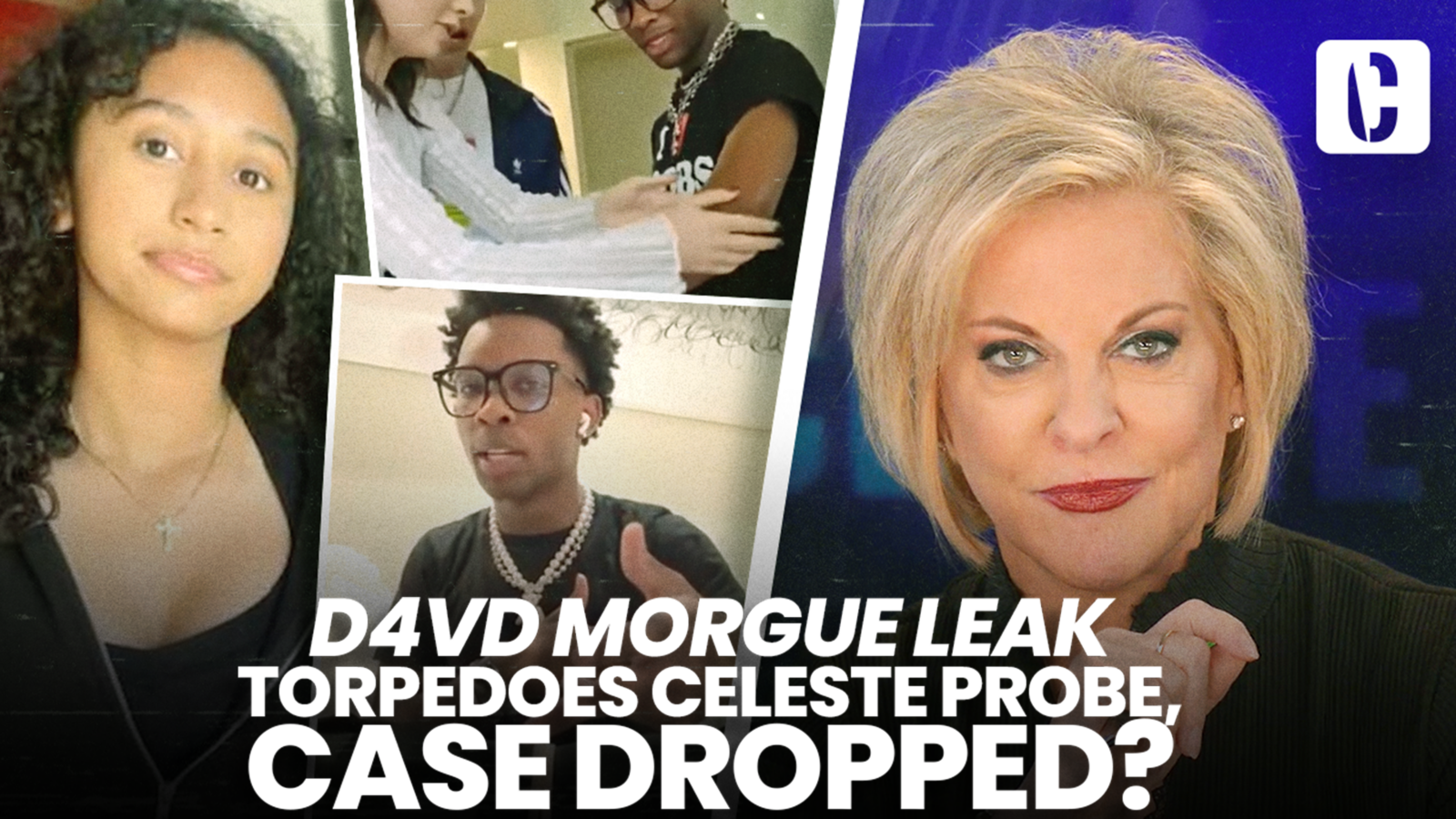
As the community grapples with the implications of the leak, the role of media cannot be overstated. Coverage led by high-profile figures such as Nancy Grace has drawn national attention, but it also risks sensationalizing the tragedy. The focus should remain on the systemic failures and the urgent need for reform within law enforcement agencies. Media narratives can shape public perception and influence the course of justice, making it paramount that they remain responsible and grounded in fact,something that can be difficult in an era where clickbait often trumps the truth.
While the prosecution attempts to salvage the case against D4VD, the implications of the morgue leak extend beyond this trial. It exposes a vulnerability in the judicial process that can have far-reaching consequences. How can courts ensure the integrity of evidence? Who oversees the practices within morgues and law enforcement agencies to prevent such breaches? These are not just questions for the legal community; they demand urgent answers from legislators and community leaders alike.
The future of the Celeste Rivas case now hangs in the balance, and it serves as a reminder of the ongoing struggle for justice faced by families of victims like her. The community awaits the next steps with bated breath, hoping for a resolution that will honor Rivas’s memory and potentially lead to broader changes aimed at preventing such leaks and ensuring accountability. As attorneys prepare their arguments and the legal teams gear up for what could be an uphill battle, all eyes are on the next court date.
The question remains: what’s next for justice in this case? What happens if D4VD walks free due to the leak? Will there be calls for accountability beyond the courtroom? As communities rise to demand justice, this case stands as a potential flashpoint for broader discussions about the systemic failures that continue to plague the justice system.
In the wake of this troubling development, readers must remain vigilant and engaged. This is not just about one case; it’s about establishing a standard of justice that holds true for all. As citizens, the power to demand accountability lies within the community, requiring collective action and awareness. The trial of D4VD may be just the tip of the iceberg in a broader conversation about systemic reform in the justice system, and it is essential for all to stay informed as these events unfold. The stakes are high, and the community deserves answers,nothing less than the pursuit of justice for Celeste Rivas.