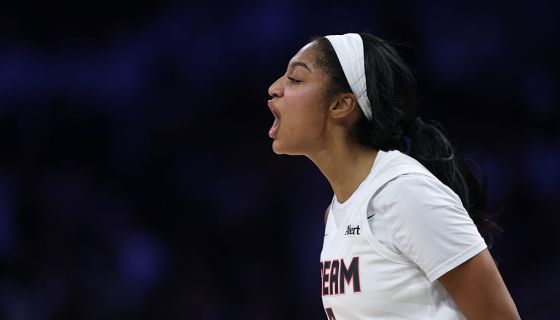
A’ja Wilson Makes History, Indiana Fever Surges: What It Means for Black Athletes in the WNBA
By Marcus Ellison, PowerVault Staff In the dimming light of a late summer evening, the buzz of the crowd in an arena filled with history and hope creates a palpable energy. The sounds of squeaking sneakers and the ech...

By Marcus Ellison, PowerVault Staff
In the dimming light of a late summer evening, the buzz of the crowd in an arena filled with history and hope creates a palpable energy. The sounds of squeaking sneakers and the echo of enthusiastic cheers blend into a powerful anthem of resilience, showcasing not just skill, but the story of a league that’s fighting for its rightful place in the sports conversation. This week, the WNBA has delivered some serious drama, with A’ja Wilson making history and the Indiana Fever proving they’re a force to be reckoned with. But beyond the headlines, there’s a deeper significance to these moments, intertwining the personal journeys of Black athletes and the broader implications of their success or struggle in the WNBA.
The Las Vegas Aces are officially heading to the playoffs, and it isn’t just a milestone for the franchise, but a statement echoing in the corridors of sports history. A’ja Wilson, the reigning MVP, continues to elevate her game, climbing the ranks of WNBA legends. In a league where Black women stand at the forefront, Wilson's achievements resonate beyond the hardwood. They symbolize the power and potential of Black excellence in sports, challenging the narratives often dictated by those outside the community. As she makes her mark, the implications are profound: what does her success mean for the visibility of Black women in sports? What does it say about the systemic barriers they continue to face?
The Indiana Fever, a franchise that has seen its fair share of ups and downs, are now surging with a purpose. Their unexpected rise is reminiscent of the resilience shown by many Black athletes who have had to navigate through adversity, often in a league that hasn’t always prioritized their narratives. The Fever’s journey serves as a microcosm of the struggles and triumphs inherent in the WNBA, where every win or loss reverberates beyond the court. In a culture where Black athletes are often reduced to mere statistics, the Fever’s surge reminds us of the human stories behind the numbers, the community support, and the generational hopes intertwined in every dribble and shot made.
The playoff picture is shaping up, and with each game, the stakes get higher. The focus is not just on the teams clinching spots but on the larger narrative that plays out with every buzzer. The WNBA has long been an incubator for Black talent, a space where athletes can express their authenticity while also bearing the weight of expectations. The pressure is immense, and as the playoffs approach, the question remains: how will these athletes handle that pressure? Will they break through the glass ceilings placed before them, or will the weight of history and systemic issues hold them back?
This week’s developments also unfold against a backdrop of troubling conversations surrounding Title IX and the future of women's sports. The spotlight on Caitlin Clark and other emerging stars has generated discussions that often overlook the established legends who have paved the way. The fight for equity in sports is far from over, and the voices of Black athletes are crucial in this discourse. The WNBA's positioning as a space for Black women to not only compete but also to influence policy and culture remains vital. As the league grapples with these complex dynamics, it’s an opportunity for its players to step forward and assert their agency.
Amidst the on-court success and the rising stakes, the WNBA finds itself at a crossroads. Will it continue to champion the voices of its athletes? Or will it fall back into the shadows of a sports world often dominated by narratives that minimize the contributions of Black players? It’s a question that looms heavy as history shows us that the platforms held by Black athletes can shift societal perceptions. Thus, the success of players like A’ja Wilson or the resurgence of teams like the Fever is not just a story about basketball; it's about reclaiming space in a predominantly white sports machine.
The dynamics of race play a pivotal role in how these narratives are crafted and consumed. As players like Wilson make headlines, it's crucial to recognize the history of underrepresentation that persists even in the realm of women's sports. The systemic racism that Black athletes face is compounded by the existing narratives that often underplay their talents or focus solely on their struggles. In this context, the accomplishments of Black athletes become a battleground for recognition and respect, pushing against the confines of a historically marginalized narrative.
As the WNBA season approaches its climax, the stories of teams and players will only become more intense. The stakes are high, not just for championships, but for the very identity of the league itself. The Aces might clinch their postseason berth, but it’s the evolution of a league narrative that can truly change the game for future generations of Black women athletes. The question now is: how will the league continue to uphold their stories even when they step off the court? How will these women,who are not just athletes but also advocates and storytellers,continue to shape their legacies?
The coming weeks will be crucial. Fans and supporters must pay attention not only to the games but to the broader implications of what’s happening within the league. As the playoffs approach, the challenge lies in balancing the celebration of individual success with an acknowledgment of the ongoing fight for equity and representation. The WNBA is a microcosm of our society, and the issues faced by its athletes reflect a larger cultural battle. It is time for fans to engage not just as spectators but as participants in the discourse, understanding that every game represents a step towards a broader narrative of justice and acknowledgment.
As the clock ticks down on the regular season, the WNBA stands at a precipice. A’ja Wilson’s historic achievements and the Indiana Fever’s resurgence are just a few chapters in a much larger story. The league must seize this moment to not only celebrate its athletes but also to amplify their voices, whose struggles and triumphs continue to shape how we understand sports, culture, and identity. It’s a critical time to support these narratives and push for a future that recognizes the full spectrum of Black excellence in sports.