Bronx Hit-and-Run: Who Was Leonora Campbell and Why Is Justice Elusive?
By Malik Carter, PowerVault Staff On June 29, the Bronx became a backdrop for tragedy when Leonora Campbell, a 96-year-old great-grandmother, was killed in a heart-wrenching hit-and-run incident. As she stepped off th...
By Malik Carter, PowerVault Staff
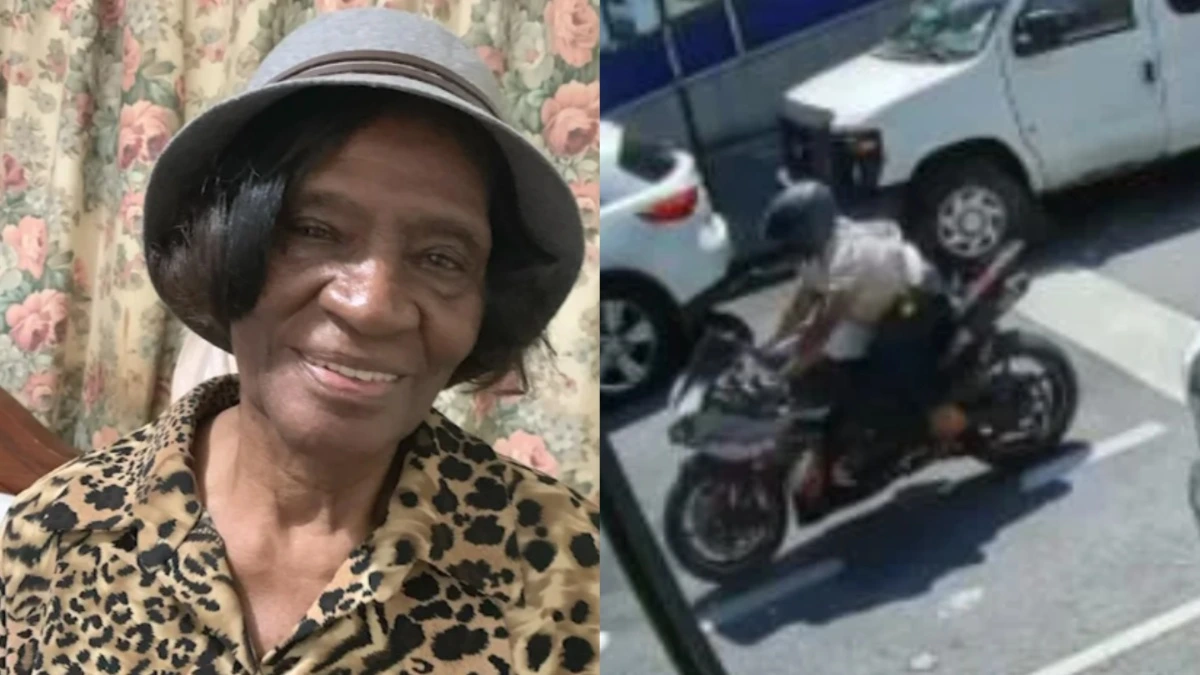
On June 29, the Bronx became a backdrop for tragedy when Leonora Campbell, a 96-year-old great-grandmother, was killed in a heart-wrenching hit-and-run incident. As she stepped off the curb, intent on picking up lunch for a child in need and collecting her medications, her life was abruptly cut short by a motorcyclist who looked at her for a moment before accelerating into her, dragging her body several feet before rolling over it and speeding away.
This wasn't just a hit-and-run; it was an act that left a family shattered, a community mourning, and questions lingering in the air. Who was this motorcyclist? Why did they flee the scene? What does this incident reveal about the systemic failures in our justice and policing systems that allow such acts to go unpunished?
Leonora Campbell was far more than a statistic. She was a retired nurse, a beloved matriarch to nine grandchildren, and a generous soul known for her acts of kindness. Her family described her as someone who always put others before herself, making her tragic death all the more painful to bear. Reports suggest that she had just left her home in search of sustenance for a child in need,a gesture emblematic of her long-standing commitment to community and care. This tragic irony highlights the profound loss that extends beyond her immediate family.
The sheer horror of what occurred on that fateful day cannot be ignored. Witnesses reported that after hitting Campbell, the motorcyclist did not stop to check on her condition or render aid. Instead, they fled the scene, leaving the elderly woman to lie on the pavement. In the aftermath, the question of accountability looms large. Will the justice system serve the family of Leonora Campbell? Or will this case become just another statistic in a long list of unsolved hit-and-runs?
The implications of this incident go far beyond the personal tragedy. It speaks to a growing crisis in policing and justice, particularly in urban areas like the Bronx. The city has grappled with rising crime rates and a strained relationship between law enforcement and the community. Many residents have expressed feeling unsafe and unprotected. This sentiment is exacerbated by the persistent reality that, in cases like Campbell's, perpetrators often evade justice. The anonymity of the motorcycle rider, who remains at large weeks after the incident, raises troubling questions about law enforcement's commitment to ensuring public safety, especially for vulnerable populations like the elderly.
Consider the historical context surrounding hit-and-run cases in New York City. According to data from the NYC Department of Transportation, the number of hit-and-run incidents has steadily increased over the past decade, with pedestrians, particularly the elderly, disproportionately affected. This trend suggests a systemic breakdown,not just in enforcement but in public awareness of the importance of road safety and pedestrian rights. When a motorist leaves the scene of an accident, it not only shatters lives but also sends a chilling message that accountability is optional. This prevailing culture of impunity must be examined if we seek to prevent future tragedies.
Moreover, Leonora Campbell's death is emblematic of broader social dynamics. It highlights the intersectionality of race, age, and class within the context of urban violence. The Bronx, often portrayed in a negative light, is home to a diverse population that faces economic struggles and systemic neglect. Many residents feel invisible and unheard, particularly when it comes to their safety. Campbell’s family, grieving a loved one taken too soon, is now faced with navigating a complicated maze of police reports and media coverage, hoping to attain justice against a system that often overlooks the needs of marginalized communities.
The distances between the accident scene and the precinct, the families and the courts, represent more than just physical space,they symbolize the barriers that often thwart justice. In a city where a pedestrian's life can be extinguished in an instant, it is crucial that the enforcement of traffic laws is not just a matter of procedure but a matter of prioritizing human life. Yet, how can communities trust a system that has historically failed to protect its most vulnerable members? This incident sheds light on a broader issue of societal neglect and the urgent need for reforms, particularly in how police prioritize traffic safety and community outreach.
As the investigation unfolds, the Campbell family and their community are left to grapple with their loss. They deserve answers, not just in the form of a police report but in genuine accountability from those sworn to protect them. Who benefits from this lack of accountability? The answer is multifaceted and disheartening. It is the perpetrators who evade responsibility, and it is a system that continually prioritizes speed over safety, urgency over compassion.
What can we do as a society to ensure that justice is not an afterthought? It starts with demanding accountability from our local law enforcement agencies and pushing for systemic changes that prioritize pedestrian safety. Advocacy groups must play a central role in amplifying voices like Campbell's, ensuring that the stories of the victims are not lost in bureaucratic processes. Moreover, community members must come together to support one another and hold their representatives accountable, demanding a city that values every life.
The road ahead is fraught with challenges, but it also offers opportunities for change. The power of community action, coupled with a relentless pursuit of justice, can transform narratives of despair into stories of resilience. The call to action is clear: let Leonora Campbell's tragic death not be in vain. Let it serve as a catalyst for meaningful dialogue and systemic reform in our approach to traffic safety and community welfare. As we reflect on this painful chapter, the challenge remains: how do we ensure that the next time a pedestrian steps onto the street, they do so with the confidence that their life matters?