White Neighbor Released on Bond After Black Child's Drowning: A Look at Systemic Neglect
By PVN Staff · August 30, 2026 · Depths of Evidence
By Malik Carter, PowerVault Staff
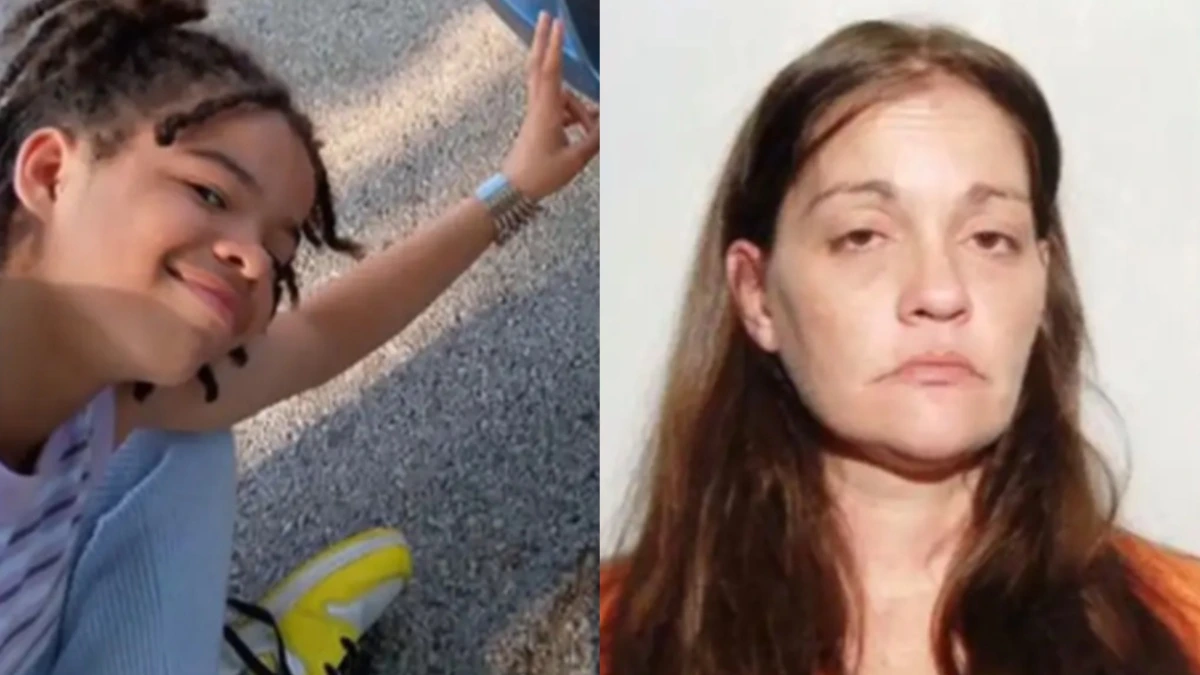
The sun was just beginning to dip below the horizon, casting a warm glow on Lake Erie's waves, when the unthinkable happened. An 11-year-old Black girl named Angelique Cunningham had been out on a boating trip with an adult neighbor she was supposed to trust. But that day, trust was misplaced, and Angelique's life slipped away beneath the gentle surface of the water. She drowned, never again to soak in the sunsets she loved.
Now, Kristen Gerrie, the 41-year-old Ohio woman responsible for Angelique during that fateful trip, is out on bond. She's facing charges of felony child endangerment, but for many in the community, the charge just scratches the surface. This isn't just about one tragic accident. It's about a pattern of negligence, of carelessness, and of innate biases that continue to undervalue Black lives.
The facts are stark: Angelique was taken on a boat trip with Gerrie and another adult, Jonathan Ciha. But when things went wrong, no one called 911. What could explain such a lapse? Was it indifference, ignorance, or something more sinister lurking beneath the surface? For those in the Black community, the repercussions of such negligence are all too familiar. This isn't just a tragic mishap; it's an echo of the systemic disregard for Black safety and wellbeing that has persisted for generations.
Gerrie's release on a $50,000 bond has only added fuel to the fire. The community is left questioning whether the same leniency would be afforded if the roles were reversed. Would a Black guardian be granted the same presumption of innocence if a white child had drowned under their care? These are the uncomfortable questions that the mainstream press often sidesteps, but they're questions that must be asked.
This isn't the first time the legal system has failed to act with the urgency and severity that such situations demand. We've seen it before. The silence of a 911 call not made is deafening. It's indicative of a deeper issue,a society where some lives are deemed less worthy of immediate action and protection. Angelique's death isn’t isolated; it mirrors a larger narrative of neglect and devaluation of Black children and families.
Historically, the criminal justice system has consistently failed to provide Black families with the closure and justice they deserve. From the tragic story of Emmett Till to the many names we shout at protests today, these injustices are not relics of the past. They continue to shape the realities of Black Americans. This recent tragedy in Ohio is yet another reminder of the systemic inequities that persist in our society,inequities that leave Black children vulnerable and their families devastated.
We live in a world where biases infiltrate everyday decisions, often without those in privileged positions even realizing it. The implicit biases that affect actions,or the lack thereof,have real, life-altering consequences. The decision not to call for help speaks volumes about the instinctual reactions or lack thereof when Black lives are at stake.
Gerrie's case is a call to action for accountability and reform. It's about dismantling a system that too often allows those in positions of power and privilege to escape accountability. It's about demanding that the lives of Black children be valued and safeguarded with the same vigor as any others. The racial dynamics surrounding this case highlight the urgent need for systemic change that addresses these biases head-on.
As for what's next, the community must stay vigilant. The trial will likely become a focal point, an opportunity for justice not only for Angelique but for every Black child who has been failed by this system. It's a chance to demand a reevaluation of how these cases are handled and to call for those involved to be held accountable to the fullest extent.
Angelique Cunningham’s story is a tragedy, but it’s also a rallying cry. A reminder that as long as the system remains unchanged, more lives will be lost, their potential drowned in a sea of negligence. The question now is whether we will listen, learn, and act,or continue to let the waves of injustice wash over us.