Why Did Luigi Mangione Plead Guilty to Stalking in the UnitedHealthcare CEO Case?
By PVN Staff · August 30, 2026 · Depths of Evidence
By Jasmine Reed, PowerVault Staff
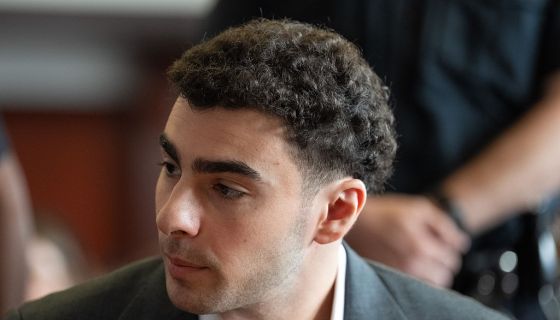
The courtroom was hushed, a stillness hanging in the air as Luigi Mangione stepped forward to plead guilty to federal stalking charges. This wasn't just another case of headline-grabbing crime drama; it was the culmination of a saga that had woven its way through corporate boardrooms and social media feeds alike, igniting conversations across the nation.
Brian Thompson, the CEO of UnitedHealthcare, was shot and killed in December 2024, a tragedy that shook the healthcare industry to its core. Mangione's guilty plea acknowledges his role in this shocking turn of events. But in a story as layered as this, the plea is just the beginning of unraveling a much more complex tale.
Mangione's actions, as reported by NBC News, stemmed from a personal vendetta. It was a vendetta that brewed to a boiling point, fueled by what some have described as a broken healthcare system that often puts profit over people. This wasn't just about individual grievances; it was a reflection of larger systemic issues that many feel remain unaddressed.
As the courtroom drama unfolds, it reveals deeper tensions between corporate power and individual agency. Mangione's story isn't just about one man's tragic decisions. It's illustrative of broader societal frustrations,an exasperation felt by many who see the wheels of corporate America turning against them. It's about those who feel abandoned by a system that promises care but often delivers only bureaucracy and red tape.
But let's not overlook the racial undertones that persist in narratives like these. When the accused is a person of color, the media and public perception often skew differently than if the roles were reversed. It's crucial to recognize this bias and question how it may have shaped the unfolding of events and the public's reaction to them.
This case is also a stark reminder of the power of the media in shaping narratives. The relentless coverage of Mangione's actions has painted him in a certain light, but it also raises the question: Are we consuming the whole truth, or just the most sensational parts? As outlets rush to capture every salacious detail, it's easy to lose sight of the more substantial questions at hand,questions about accountability, justice, and reform.
For the Black community, this story is all too familiar. We know what it means to be vilified in the court of public opinion. We know the systemic inequalities that underpin these stories, and we understand the importance of not simply accepting the narrative as it's presented. Mangione's case is a call to look deeper, to challenge the status quo and demand a justice system that truly works for everyone.
At PowerVault Network, we believe in asking the tough questions. Why does it seem that certain individuals, certain stories, receive more coverage than others? How does race factor into the decisions made,not just by individuals like Mangione, but by the system as a whole? And most importantly, what can be done to prevent future tragedies like this from occurring?
As we take stock of these events, it's crucial to keep our eyes on the bigger picture. The healthcare industry is ripe for reform, and stories like these highlight the urgency of the needed changes. Mangione's guilty plea is not just an end, but a beginning,a chance to examine how we got here and what we can do differently moving forward.
The culture is listening, and the next steps are critical. Whether it's through policy change, community advocacy, or shifting the narrative in media coverage, there's work to be done. The cameras may stop rolling after the verdict, but the real work continues long after the headlines fade.