Amber Alert in Atlanta: Zola and Norah Cooper's Safe Return Sparks Community Outrage
By PVN Staff · August 30, 2026 · Depths of Evidence
By Malik Carter, PowerVault Staff
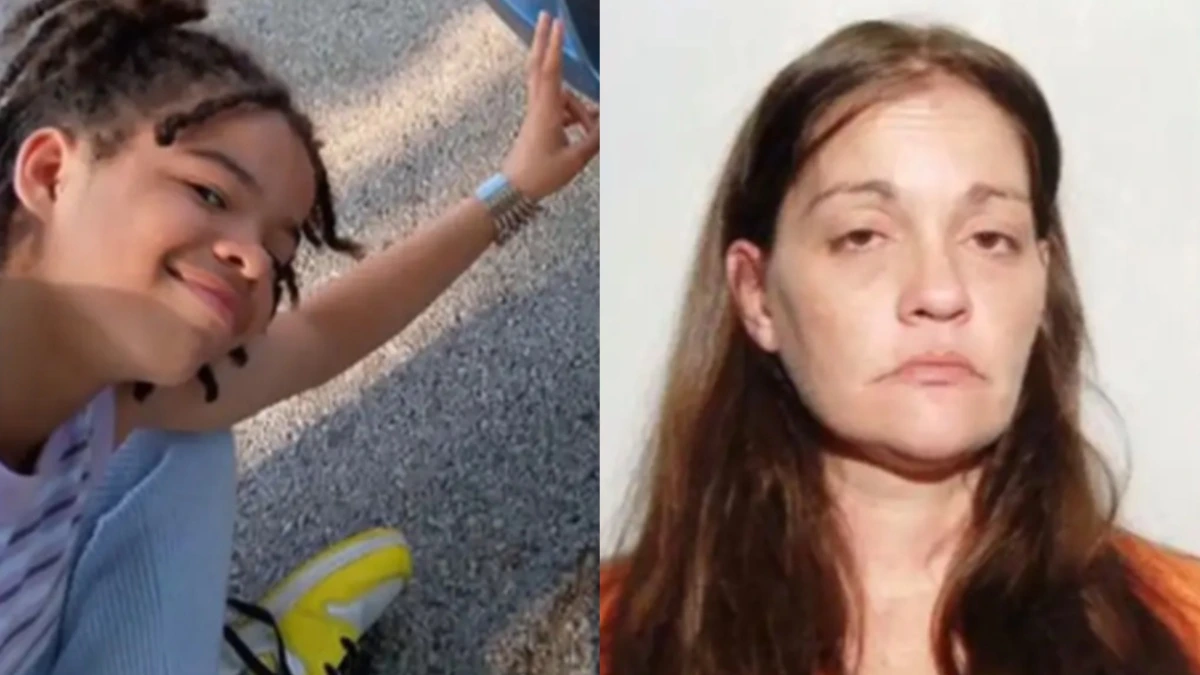
The story of Zola and Norah Cooper, the two young sisters who brought the entire city of Atlanta to a standstill, raises more questions than answers. Their sudden disappearance and subsequent safe return have left the community in a whirlwind of relief, confusion, and unresolved anger. In a society where Black children often go missing without making national headlines, this case reminds us of the harsh realities many families face every day.
Imagine waking up to find that your trusted babysitter has vanished with your kids. That was the terrifying reality for the Cooper family. The Georgia Bureau of Investigation acted swiftly, issuing an Amber Alert that mobilized law enforcement and citizens alike. Thankfully, the girls were found safe in a trailer, but the incident left a scar on the collective consciousness of the community.
It’s hard not to draw parallels between this case and the countless others that don’t get the same attention. The tragic stories of missing Black children, like Relisha Rudd or the recent case of Alicia Navarro, highlight the disparities in media coverage. Often, these stories are sidelined, neglected, or forgotten altogether. Why do some cases grab headlines while others don’t? It’s a question that lingers painfully in the air.
But let's keep it real. The sudden disappearance of Zola and Norah hits different. It's not just about the fear of losing loved ones; it's about the deeply embedded narratives that make Black families distrustful of the system meant to protect them. When Amber Alerts are rarely issued for Black children, you start to question whose safety really matters. The system seems rigged, and the Black community feels like an afterthought.
The community’s response to this incident, however, was swift and unified. Social media platforms buzzed with hashtags demanding answers and accountability. The streets of Atlanta were filled with concerned citizens, determined not to let Zola and Norah become mere statistics. This is what happens when a community stands together. It’s a powerful reminder that we cannot rely solely on institutions to protect our own.
Community leaders and activists have been vocal about the need for systemic change. They argue for better public resources, increased funding for missing persons cases, and mandatory training for law enforcement officers on handling such situations with sensitivity and urgency. The call is clear: it’s time to address the inequality in how missing persons cases are treated.
Looking back at how similar situations have unfolded, it’s evident that the power of the people cannot be underestimated. From the relentless search for young Black girls like Diamond and Tionda Bradley in the early 2000s to today’s social media-driven campaigns, the community has always been the driving force behind these recoveries. We’ve seen it time and again , when we demand justice, we often have to fight tooth and nail to get it.
The Cooper sisters’ safe return also reminds us of the strength and resilience within the Black community. Through adversity and systemic neglect, families and neighborhoods come together, showing up for one another in times of crisis. And while this story had a happy ending, it’s a sobering reminder of the countless others who remain missing.
As we move forward, there’s much work to be done. We can’t ignore the systemic failures that put Black children at an increased risk. We need to keep applying pressure on media outlets to cover these stories with urgency and empathy. We must hold law enforcement accountable to treat every case with the seriousness it deserves.
So what’s next for Atlanta and beyond? The conversation doesn’t end here. As the community continues to heal, we must keep these issues at the forefront. Keep making noise. Make sure the names of the missing don’t fade into obscurity. Because a month from now, this case will still matter. It’s a rallying cry for change, a testament to community power, and a stark reminder that we need to fight for every single one of us.