7-Year-Old Jor’Dynn Duncan's Torturous Death: A Dark Look at Care and Accountability
By Andre Coleman, PowerVault Staff On a seemingly ordinary day in Bayport, New York, a nightmare lurked behind the façade of a quiet home. Seven-year-old Jor’Dynn Duncan had been placed in the care of her father’s fia...
Advertisement

By Andre Coleman, PowerVault Staff
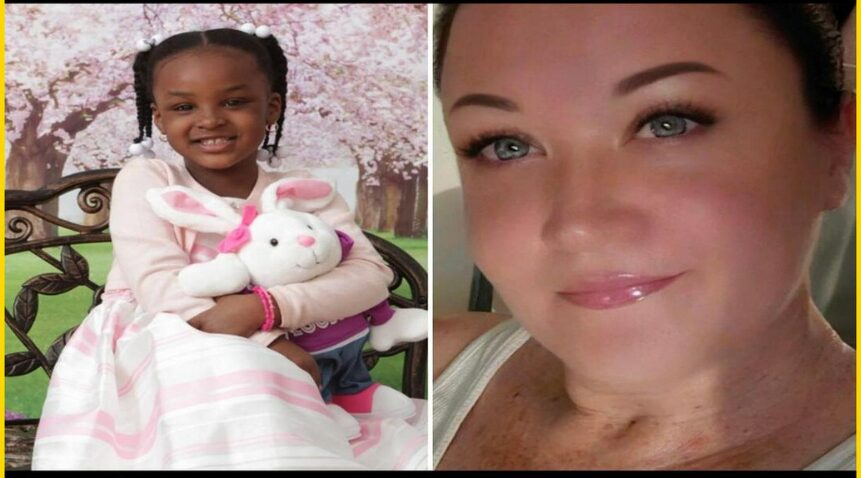
On a seemingly ordinary day in Bayport, New York, a nightmare lurked behind the façade of a quiet home. Seven-year-old Jor’Dynn Duncan had been placed in the care of her father’s fiancée and her family,a decision that would lead to her brutal demise. The details emerging from this case paint a chilling picture of abuse and neglect that has shocked the community and raised questions about the systems designed to protect vulnerable children.
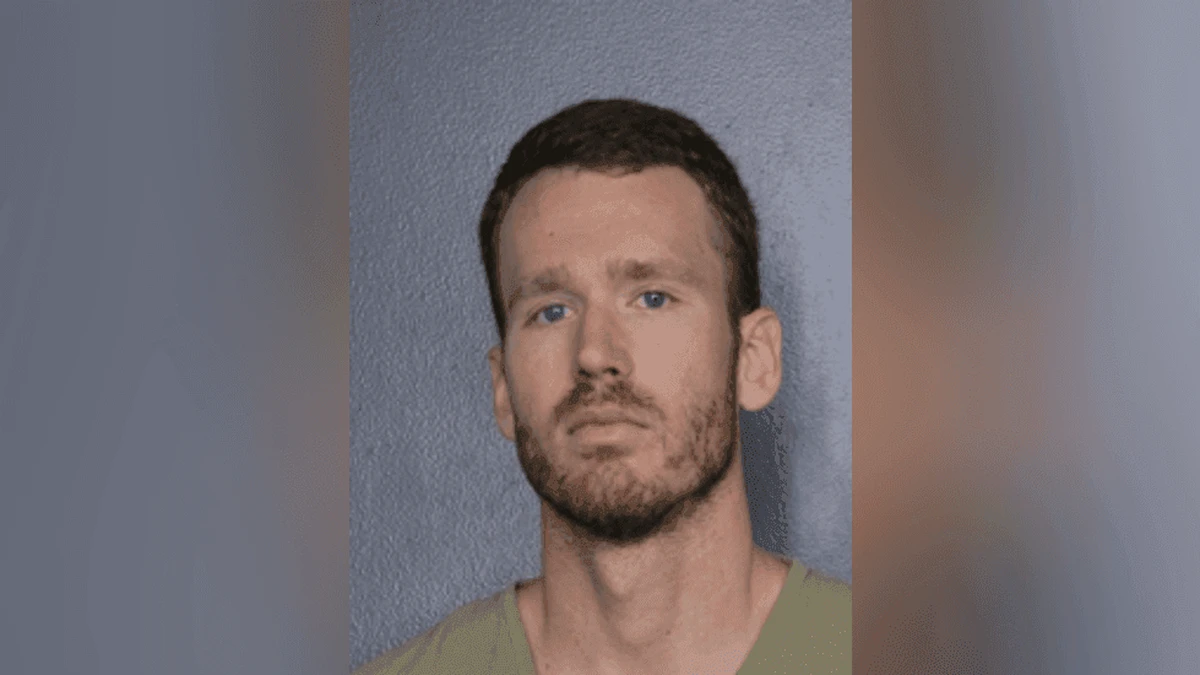
Jor’Dynn was discovered unresponsive in a Long Island home, a victim of what Suffolk County police have described as torture. Authorities reported that the young girl bore 90 sharp force injuries, a horrifying testament to the violence she endured. Emily Kelly, 50, the fiancée of Jor’Dynn’s father, has been charged with murder, endangering the welfare of a child, reckless endangerment, and unlawful imprisonment. Kelly’s mother and daughter were also indicted, implicating three generations of women in what has been termed a ‘house of horrors’ by local media.
The parallels to other high-profile cases involving child abuse are striking. Stories like that of Jor’Dynn are not isolated incidents but part of a broader pattern revealing systemic failures in the child welfare system. In many ways, this tragedy highlights essential questions about accountability, resource allocation, and the responsibilities of those in positions of power, from foster care agencies to law enforcement.
When a child is placed in a home, the expectation is that they will be cared for and protected. However, this expectation has frequently been violated, as seen in high-profile cases across the country. The question arises: how could Jor’Dynn’s suffering go unnoticed until it was too late? The details remain sparse, but they will likely reveal a frightening truth: when systems designed to protect children fail, the most vulnerable among us pay the ultimate price.
Jor’Dynn’s death isn't simply a case of individual culpability but a reflection of a culture that often overlooks child welfare. The decision to place her in this home raises significant questions about how children are placed in care. What screening processes were overlooked? How did the system fail to identify potential red flags in the Kelly household? The answers to these questions will echo beyond this case, implicating systemic issues that require urgent attention.
The racial dynamics of this case also deserve scrutiny. Jor’Dynn was a Black girl placed in a predominantly white household, an unsettling scenario that can raise alarms about cultural competency within child protective services. Is there a subconscious bias when assessing the capabilities of white caregivers versus caregivers of color? It’s crucial to examine whether Jor’Dynn’s race played a role in the oversight of her case, as the intersections of race, class, and power often shape outcomes in the justice system.
Reports indicate that the Kelly family had a history of troubling behavior, which raises another critical issue: why were these concerns not acted upon? A child welfare report, if existing, should reveal insights into any prior allegations of abuse or neglect. The negligence in addressing these issues is a failure not only of the individuals involved but of the entire system meant to safeguard children like Jor’Dynn. It begs the question: who is watching the watchers?
As the community grapples with the aftermath of Jor’Dynn's death, a growing sense of outrage is palpable. Activists and community leaders are calling for accountability, demanding that systems be put in place to prevent such tragedies from recurring. The outrage stems not just from the horror of Jor’Dynn’s death, but from the realization that many children remain unprotected in homes where they should feel safe. The stakes are high, and the consequences of inaction could be catastrophic.
While the legal proceedings against Emily Kelly and her family will unfold in the coming months, the question remains whether true justice will be served. Will the authorities take a hard look at the systemic issues that allowed Jor’Dynn’s suffering to continue? Will they ensure that lessons are learned to prevent future tragedies? The community deserves answers and a commitment to protect its children.
As conversations surrounding this tragedy continue, there is an opportunity for the community and policymakers to reflect on the realities of child welfare. It is vital to demand transparency and accountability from those in charge of protecting children. Advocates for child welfare must push for reforms that prioritize the safety and well-being of children, especially those placed in high-risk situations.
Advertisement
The tragic death of Jor’Dynn Duncan should serve as a wake-up call,not just for the community of Bayport, but for society as a whole. It is an urgent reminder that vigilance and action are necessary to safeguard our most vulnerable members. The question that lingers is not just how we can prevent such a tragedy from happening again, but how we can create a system that genuinely works for children, regardless of their background.
As the investigation unfolds, the challenge remains: to ensure that Jor’Dynn’s story does not become just another statistic in a broken system. It is time to look beyond the surface and confront the hard truths that lie beneath. The future of countless children rests on our ability to answer the call for meaningful change.