Victor Romero Charged: How a Retired Cop's Actions Left a Family Fatherless
By Tanya Brooks, PowerVault Staff Victor Romero, a retired NYPD detective once lauded for his bravery, now stands charged with first-degree manslaughter. This charge is the result of a road rage incident on the George...
Advertisement

By Tanya Brooks, PowerVault Staff
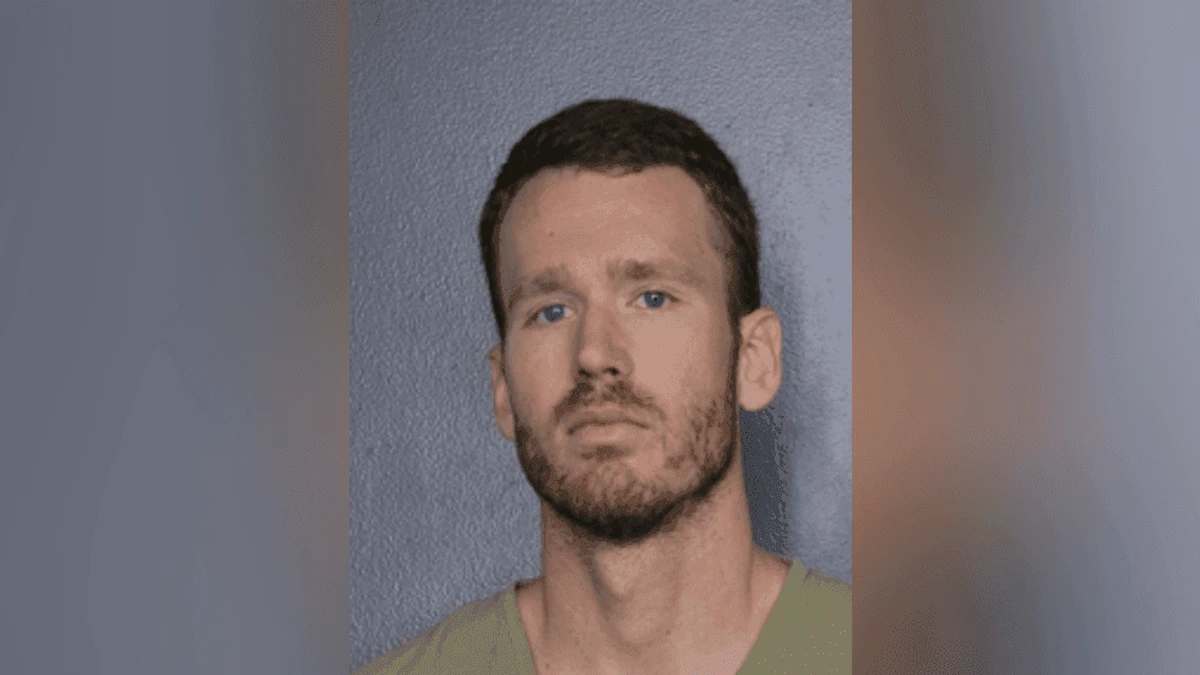
Victor Romero, a retired NYPD detective once lauded for his bravery, now stands charged with first-degree manslaughter. This charge is the result of a road rage incident on the George Washington Bridge, which led to the tragic and fatal shooting of Koran Irvine, a Black father of two. Romero's fall from grace has shocked many, given his previously celebrated career in law enforcement where he was once praised for heroically intervening in an armed robbery. This case highlights the grim reality of how quickly violence can erupt from everyday encounters, raising questions about the unchecked aggression that can lie beneath the surface, even in those once entrusted to protect and serve. The incident shows the unpredictable nature of human behavior and the thin line between heroism and tragedy.
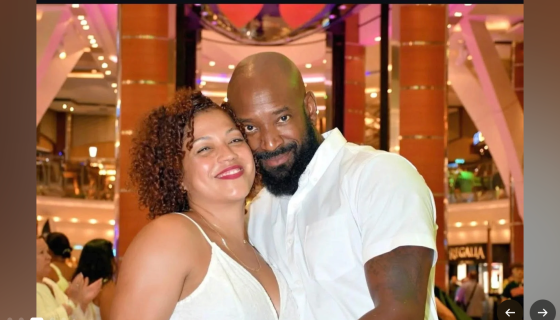
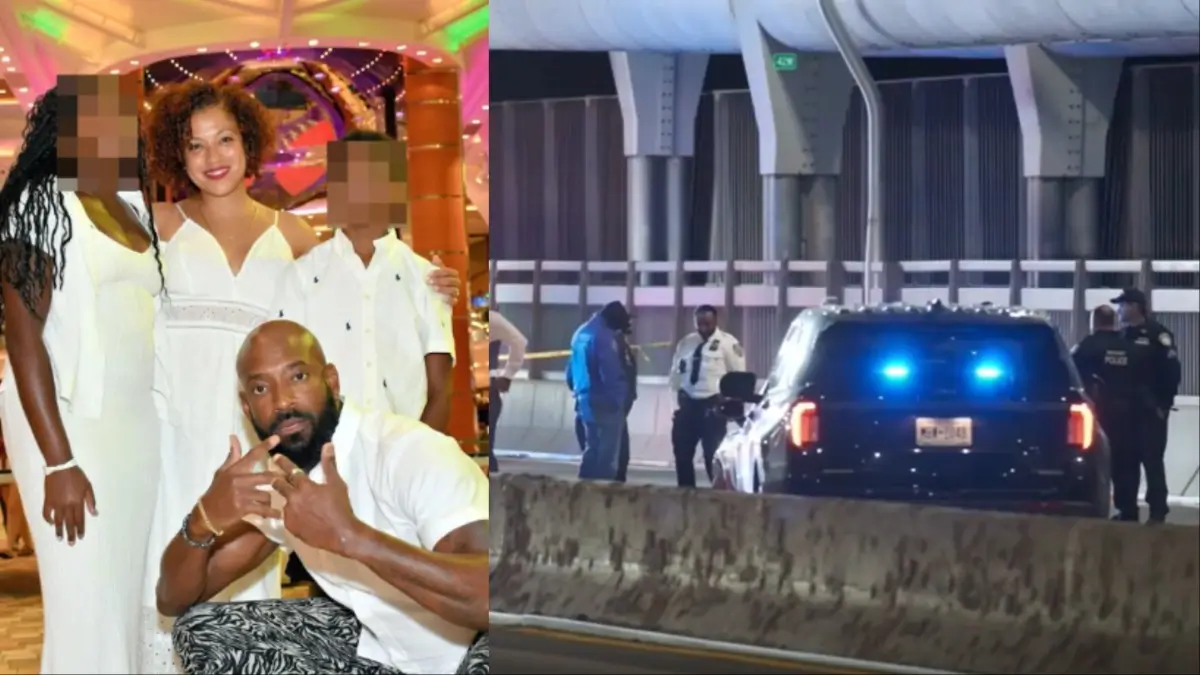
The New York Post reports that Romero, aged 62, was arrested on Wednesday, following accusations that he shot 46-year-old Koran Irvine. Irvine was merely trying to drive home after a long day of overtime at Con Edison, where he had recently celebrated twenty years of service. His dedication to his job was fueled by his commitment to providing for his family, which included his wife and two children. Now, they are left to grapple with the devastating loss of a beloved husband and father. The shooting has not only torn a hole in their family but has also rattled the community, highlighting the fragility of life and the suddenness with which it can be altered forever. This tragic event forces his loved ones to face an uncertain future, one marked by grief and unanswered questions.
The fatal encounter occurred around 7:15 p.m. As Irvine made his way home toward New Jersey on the bridge. Investigators allege that Romero, in a moment of road rage, admitted to shooting Irvine but astonishingly failed to render any aid to the man he had just wounded. His actions, or lack thereof, left Irvine to succumb to his injuries alone. "He fled the scene and left my brother to die!" exclaimed Sylvia Irvine, Koran's sister, whose words capture the profound anguish and anger felt by the family. This callous disregard for human life has only intensified their grief and outrage. The notion that a former officer, someone once sworn to protect, could abandon a dying man in such a manner is a bitter pill to swallow for the grieving family and community.
Details from the arraignment reveal that the charge against Romero has been reduced to first-degree manslaughter, down from the initial murder charge. This decision was met with visible distress from Irvine's family, who attended the proceedings in silent solidarity, though his wife and children were notably absent. Their absence says a lot, possibly indicating that the emotional toll of facing the man accused of taking their loved one was too overwhelming. The judge set Romero's bond at a substantial $1 million, a figure that shows the seriousness of the case and the severity of the accusations against him. This judicial decision signals the weight of the evidence presented thus far, but for the family, it is a small step in a long journey toward justice.
Evidence presented by investigators suggests that Romero fired his weapon through the rear passenger-side window of Irvine's vehicle. The bullet reportedly grazed the headrest before fatally striking Irvine, proof of the deadly accuracy of the shot. This precise trajectory turned what might have been a typical drive home into a fatal encounter, ending Irvine's life prematurely. Emergency responders arrived on the scene to find Irvine critically injured, and despite their efforts, he succumbed to his wounds at Englewood Hospital. The incident caused a significant disruption, with the bridge's upper level closed for several hours as authorities combed the scene for evidence. This closure not only highlights the severity of the incident but also serves as a stark reminder of how quickly one's life can be irrevocably changed.
While the specifics of the case are still unfolding, this tragic event is not an isolated incident but rather part of a larger pattern of violence involving former law enforcement officers. Historical parallels can be drawn to numerous other cases where police misconduct and preferential treatment have been called into question. Notable examples include the infamous case of Florida officer Brian Sguros, who was arrested for fraudulent activity, a situation that exposed deep flaws in accountability systems within law enforcement. Such cases point to a troubling trend where those who once wore the badge are shielded by their former status, raising concerns about the integrity of investigations and the equitable treatment of all individuals under the law. The implications of these patterns extend beyond individual cases, reflecting systemic issues that demand urgent attention and reform.
Romero's former commendable career as a detective paints a stark contrast to his current predicament.
This case shows the systemic issues in how police-related incidents are handled, especially when a former officer is involved.
Koran Irvine's death shows a profound need for reform in how law enforcement officers are held accountable for their actions, both during and after their service. This case brings to light the systemic issues in handling police-related incidents, especially when a former officer is involved. Each instance where an ex-cop appears to receive lenient treatment chips away at the community's trust in the justice system, fostering a sense of injustice and disenchantment. The perception of preferential treatment for those within the law enforcement fraternity undermines public confidence and calls into question the impartiality of judicial processes. These concerns are compounded by the racial dynamics at play, as the case involves a retired white officer and a Black victim, adding layers of complexity to the pursuit of justice.
For the Irvine family, the tragedy is an irreversible loss that has left a mark on their lives. Koran Irvine was not just a devoted father and husband; he was a pillar of support who worked tirelessly, often picking up overtime shifts to ensure the well-being of his family. His unwavering dedication was evident in his two-decade career with Con Edison, where he was respected and valued by colleagues and supervisors alike. This loss reverberates not only through his family but also through the community and the workplace that he contributed to for many years. The void left by his absence is felt deeply, as his presence was synonymous with reliability and care. The Instagram post below captures a moment of reflection from his workplace, a poignant reminder of the impact he had on those around him.
For the Black community, the case of Victor Romero raises critical questions about the disparities in accountability and justice. It prompts a broader conversation about systemic racial issues that have persisted for years without substantial resolution. The involvement of a retired white officer in the death of a Black man starkly illustrates the power dynamics and racial injustices that continue to permeate our society. This case is emblematic of the broader struggle for racial equality in the justice system, highlighting the urgent need for reforms that ensure fairness and equity for all. The community's response reflects a deep-seated frustration with the status quo and a strong desire for meaningful change in how these cases are addressed and resolved.
Advertisement
These dynamics, though not new, require renewed scrutiny and urgent action. In a nation that remains deeply divided on issues of race and policing, incidents like this act as painful reminders of the ongoing work needed to bridge gaps in understanding and justice. The racial undertones are unavoidable, intricately woven into the fabric of our legal systems and societal norms, influencing outcomes and perceptions. This mirrors broader tensions observed in recent events, such as the divisive Trump rally, where similar dynamics of power, race, and justice were at play. These incidents collectively show the imperative for dialogue, reflection, and actionable change to address the systemic inequalities that continue to challenge our society.
Looking ahead, the legal proceedings against Romero will be subject to close scrutiny by both the public and the media. The outcome of this case will set a significant precedent for how former officers are treated in similar situations, potentially influencing future cases involving law enforcement personnel. For the Irvine family, justice may eventually find its way through the courts, but true solace will come only with time and the healing that follows. This incident challenges us as a society to reevaluate our standards of justice and the value we place on human life. The next steps in the case will be crucial in determining whether justice is genuinely perceived to be served in the eyes of the community and beyond.