Who Killed Missy Bevers? The Chilling Case of a Fitness Instructor Bludgeoned in a Church
By Andre Coleman, PowerVault Staff In the early morning hours of April 18, 2016, as the first light of dawn spilled over the small town of Midlothian, Texas, a scene of unimaginable horror unfolded inside the quiet co...
By Andre Coleman, PowerVault Staff
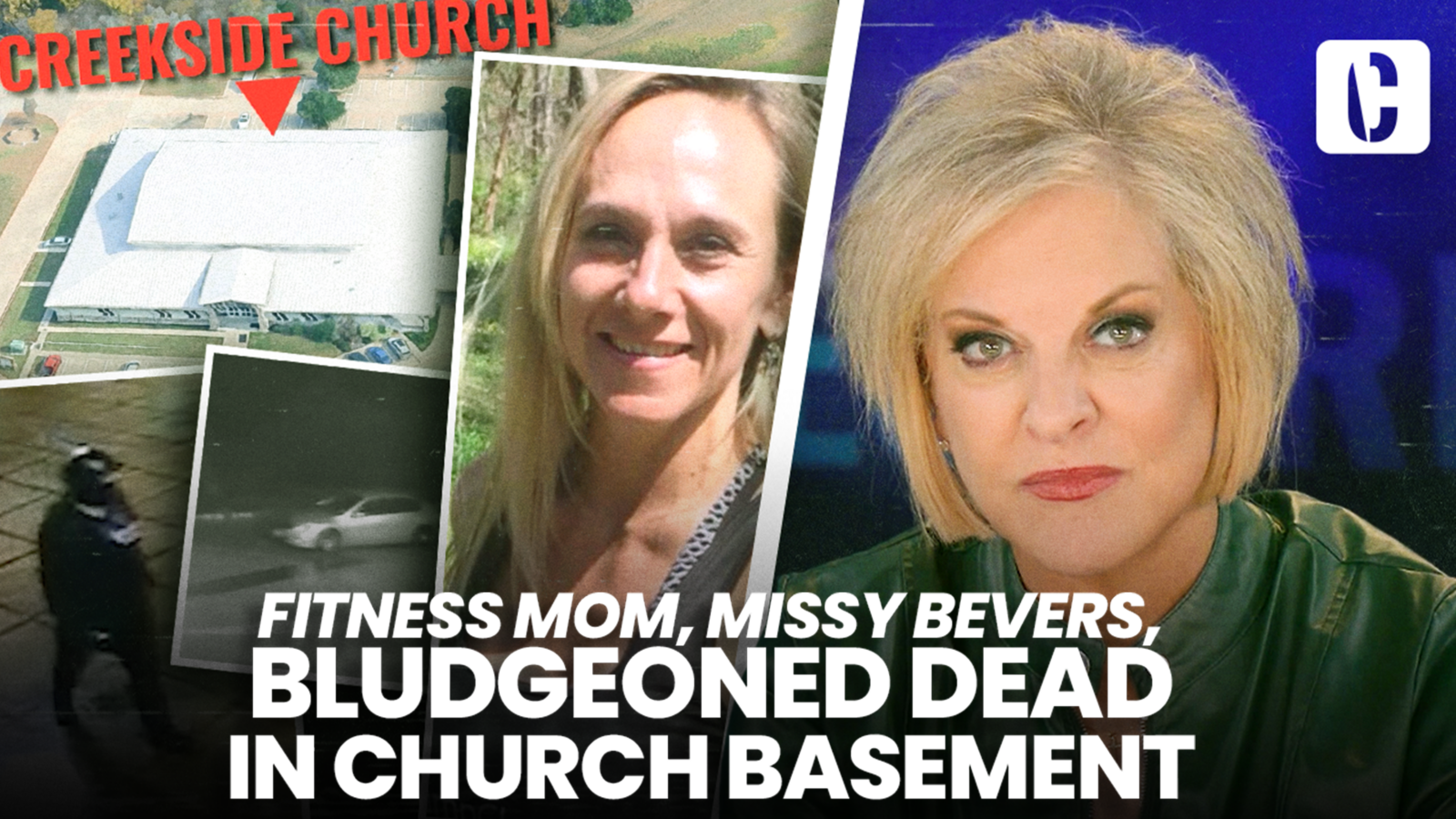
In the early morning hours of April 18, 2016, as the first light of dawn spilled over the small town of Midlothian, Texas, a scene of unimaginable horror unfolded inside the quiet confines of the Creekside Church. Missy Bevers, a beloved fitness instructor and mother of three, was discovered bludgeoned to death in the church's basement, a violent end that would echo through the community and beyond. She was there for a routine early morning workout class, a setting typically associated with health and camaraderie, but instead became a crime scene that would leave everyone asking: who could do such a thing?
The police arrived to a gruesome scene, yet the details of Missy’s last moments remain hauntingly unclear. Surveillance footage from inside the church captured the figure of a person dressed in tactical gear, moving stealthily through the halls just before the attack. This chilling image of an unknown suspect, masked and armed with what appeared to be a hammer, deepens the mystery surrounding her tragic death. This was not just a random act of violence; it was a calculated and brutal crime that shocked a community.
Missy Bevers was not just a victim; she was a vibrant member of her family and community. Described as beautiful, ambitious, and dedicated to her children and fitness, her murder raised numerous questions about safety and vulnerability. How could an individual be so brazen as to commit murder in a place of worship, where families gather in faith and solace? The sheer audacity of the act forces a reckoning of the safety we often take for granted, especially in spaces meant for healing and connection.
In the aftermath of her death, the Midlothian Police Department took to social media, releasing images of the suspect along with a plea for information. Yet, as months turned to years, the case grew stagnant. Investigators remained stumped, and the community's frustration began to boil over. Where were the leads? Why wasn’t justice being served? The failure to bring Missy’s killer to justice reflects a broader failure within the system. In a world where forensic technology is advancing at breakneck speed, how can such a brutal crime remain unsolved?
The complexities of this case highlight systemic issues within law enforcement, particularly in smaller jurisdictions. Resources are often limited, and departments may struggle with the complexities of a high-profile murder investigation. This is especially poignant for communities like Midlothian, where crime of such a magnitude is rare. The situation raises essential questions about prioritization, funding, and the need for specialized investigative resources, which are often lacking in smaller towns. Cases like Missy's should serve as a wake-up call,communities must advocate for better funding and resources to ensure that even the most heinous crimes receive the attention they deserve.
Moreover, the investigation into Missy’s murder has shone a light on societal attitudes towards women, particularly women who step outside traditional roles. Missy was a fitness instructor, a woman who empowered others to take charge of their health and lives. Her position as a public figure rendered her a target in a culture that often fails to protect its women, especially those who defy societal norms. This case forces us to confront uncomfortable truths,the violence against women, particularly those who are seen as 'other' or who break away from traditional roles, is a pervasive and systemic issue.
Looking back, the community's reaction to Missy’s murder has been significant. Vigils were held, and numerous social media campaigns sought to keep her memory alive, turning her tragedy into a rallying cry for justice. The hashtag #JusticeForMissy erupted online, sparking conversations about women's safety and the importance of supporting victims of violence. This case became more than just another unsolved murder; it morphed into a movement,a reminder that communities must stand in solidarity against violence.
The absence of a resolution in Missy's case is a painful reminder of the shortcomings in the justice system. With each passing year, the hope for justice fades, leaving her family grappling with the loss of a loved one without closure. It raises pressing questions about the efficacy of law enforcement and the judicial system in handling cases that seem to slip through the cracks. Why have the efforts to resolve this case not yielded results? Could the department have done more? These questions linger and demand answers.
Furthermore, as racial dynamics begin to play a role in perceptions of crime and accountability, it’s essential to reflect on how communities react to violence. The victim's identity, her status as a mother and a fitness enthusiast, has influenced public perception and the urgency of the case in ways that cannot be ignored. Would the response have been the same had she been an anonymous figure without such personal connections? This disparity in urgency can often reflect broader societal biases, and it encourages us to critically examine how race and class influence the narrative that surrounds crime.
As of now, Missy Bevers’ case remains open and unsolved, a chilling reminder of the fragility of life and the persistence of evil. The search for her killer continues, but with each passing year, the urgency wanes, leaving many to wonder if justice will ever come. The community remains vigilant, yet the silence from law enforcement is deafening. What can individuals do to ensure this case does not fade into the background? There is power in speaking out, in keeping the conversation alive, and demanding accountability from those who are sworn to protect and serve.
The Missy Bevers case is not merely a story of a tragic death but a lens through which we can examine larger systemic issues within our society. It is a call to action,one that asks us to look beyond the headlines and engage actively in the fight for justice, safety, and equality. The real question now remains: who will step forward, and how many more voices will be silenced before we get the answers we seek? As the community continues to demand justice, let this be a reminder that vigilance is key, and the struggle for justice is far from over.
In closing, as new leads emerge and old ones are revisited, one can only hope that the truth will eventually come to light. It is a reminder for us all to remain aware, to speak out, and to advocate for justice and safety in our communities.