Bryan Kohberger Declares 'I'm Innocent' — What Does This Mean for Justice?
By Tanya Brooks, PowerVault Staff The courtroom buzzes with a tension that crackles in the air. Cameras flash, capturing every moment as Bryan Kohberger, the man accused of brutally killing four University of Idaho st...
By Tanya Brooks, PowerVault Staff
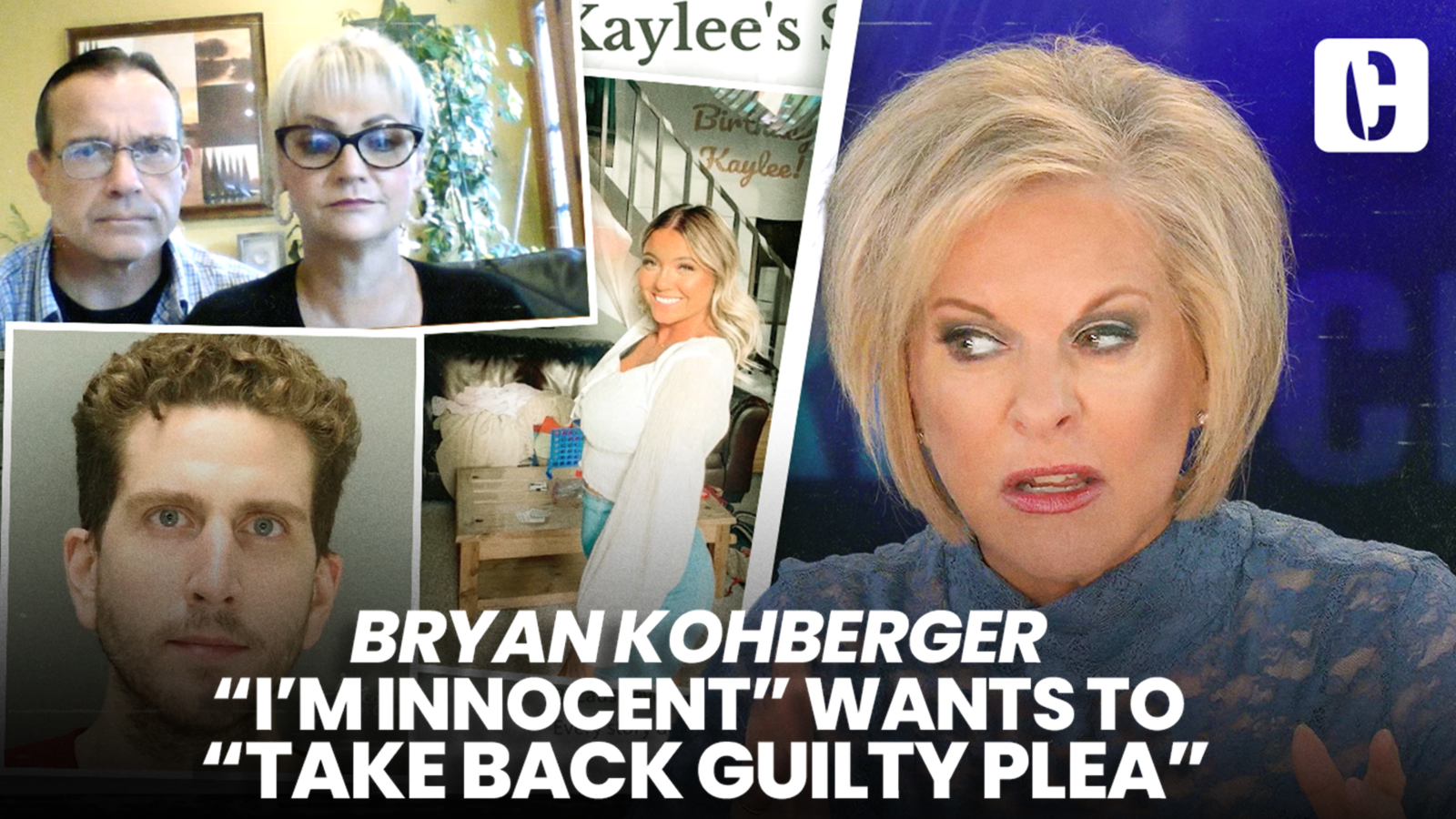
The courtroom buzzes with a tension that crackles in the air. Cameras flash, capturing every moment as Bryan Kohberger, the man accused of brutally killing four University of Idaho students, stands before the judge, tension etched into his features. Just months after pleading guilty, Kohberger now asserts his innocence and requests to withdraw his plea. The implications of this declaration send ripples through the legal system, igniting public discourse about guilt, justice, and the very fabric of accountability.
In a case that captivated the nation, the slayings of Kaylee Goncalves, Madison Mogen, Xana Kernodle, and Ethan Chapin left the small town of Moscow, Idaho, reeling. Kohberger was arrested in December 2022, and by May 2023, he made a surprise move, accepting a plea deal that many believed sealed his fate. Now, only months later, he claims to be innocent, raising eyebrows and questions: What prompted this sudden change of heart? Is there more to the story than meets the eye?
Nancy Grace, a legal commentator and true crime enthusiast, has taken a keen interest in Kohberger’s recent statements. She describes the situation as a bombshell in the ongoing saga, underscoring how his demand to withdraw his guilty plea reinvigorates the debate over his actual culpability. In her commentary, Grace examines the potential reasons behind Kohberger's reversal, suggesting that it could be a strategic play aimed at maneuvering within the legal framework, or perhaps an indication of a deeper psychological battle within him.
Understanding the dynamics at play in high-profile criminal cases like this one is crucial. The media, public, and even the judicial system find themselves entangled in a web of perception and reality. Kohberger's withdrawal of his plea raises significant questions. Was it merely a tactical decision influenced by legal counsel, or does it signify a broader struggle with guilt or innocence? In the space between his confession and his current claim, the courtroom transforms into a battleground for narrative control.
One cannot ignore the implications of this case within the wider context of criminal justice. By abruptly rescinding his plea, Kohberger underscores a systemic issue where plea deals are too often viewed as convenient solutions for both defendants and prosecutors. The reasons behind accepting a plea can range from the desire to avoid lengthy trials to anxiety over potential outcomes. Yet, when a defendant like Kohberger walks back such a resolution, it raises concerns about the validity of justice being served and whether individuals are fully aware of the consequences of their decisions.
The public narrative surrounding Kohberger also reflects deeper societal anxieties. The fear of a violent crime,particularly when it involves young, innocent lives,sparks outrage and demands for accountability, yet this case highlights how swiftly the focus can shift. Kohberger's plea, and subsequent retraction, serves as a reminder of the fragility of public trust in the judicial process. How does one measure justice when an individual vacillates between guilt and innocence? For many, the notion of justice becomes muddled in the face of such contradictions.
Kohberger's retraction adds layers to the conversation about mental health and substance abuse, particularly among young adults. The pressures of academia, social media scrutiny, and personal expectations can culminate in crises that lead to tragic outcomes. The question of whether Kohberger's mental state factors into his actions remains a complex discussion that requires careful consideration, especially as society grapples with the increasing prevalence of mental health issues among youth.
Moreover, this case operates within a framework where race, class, and privilege cannot be ignored. Kohberger's situation shines a light on the disparities within the justice system, particularly how some defendants have the resources to navigate the legal landscape while others do not. This disparity raises fundamental questions about who is afforded the presumption of innocence until proven guilty. As a white male from a middle-class background, Kohberger's journey through the judicial system may differ significantly from that of marginalized individuals facing similar charges, illuminating the inequities that persist.
The implications of Kohberger's legal maneuvering extend beyond his immediate case. As he prepares to face the potential repercussions of his latest announcement, the ripple effects in legal circles are undeniable. Defense attorneys may find themselves reassessing strategies, while prosecutors could be challenged to rethink their approaches to plea bargains. This case serves as a touchpoint for discussions around how justice is pursued and maintained, how victims are honored, and how society grapples with the aftermath of such violence.
The forthcoming court proceedings will offer a crucial glimpse into the state’s response to Kohberger’s request. With many awaiting the judge's decision on whether to grant this request, the case becomes not only one of criminal accountability but also of public consciousness. As the layers unfold, observers must remain vigilant, questioning what this means for the families of the victims, the community of Moscow, and the broader implications on the legal system.
The world watches as Bryan Kohberger’s story continues to evolve. His declaration of innocence could be perceived as a desperate bid for redemption or a calculated strategy to reclaim his narrative. Amidst the turmoil is a sobering truth: justice is often a complex and unpredictable journey. As this case progresses, it challenges readers to reflect on the balance between compassion for the accused and an unwavering commitment to justice for the victims. It serves as a stark reminder that the path toward accountability is fraught with obstacles, uncertainties, and profound moral dilemmas.
Looking forward, the Kohberger case will likely stay in the headlines, serving as a catalyst for ongoing discussions about the nature of guilt, the responsibilities of the media, and the expectations placed upon our judicial system. This incident compels society to confront uncomfortable realities: the question of who benefits from this drama, who has been silenced, and whether true justice can ever be achieved in a landscape riddled with bias and systemic flaws. As this narrative unfolds, it challenges each of us to scrutinize our values, our trust in the legal system, and our collective responsibility to ensure that those who have suffered are not forgotten amidst the noise.