Who Really Tried to Assassinate Charlie Kirk? The Case Against 'Furry' and What It Means for Political Violence
By Renee Fontaine, PowerVault Staff On a quiet day in a bustling city, the buzz of political rhetoric hung in the air, punctuated by a shocking twist that would send ripples through the fabric of American discourse. A...
By Renee Fontaine, PowerVault Staff
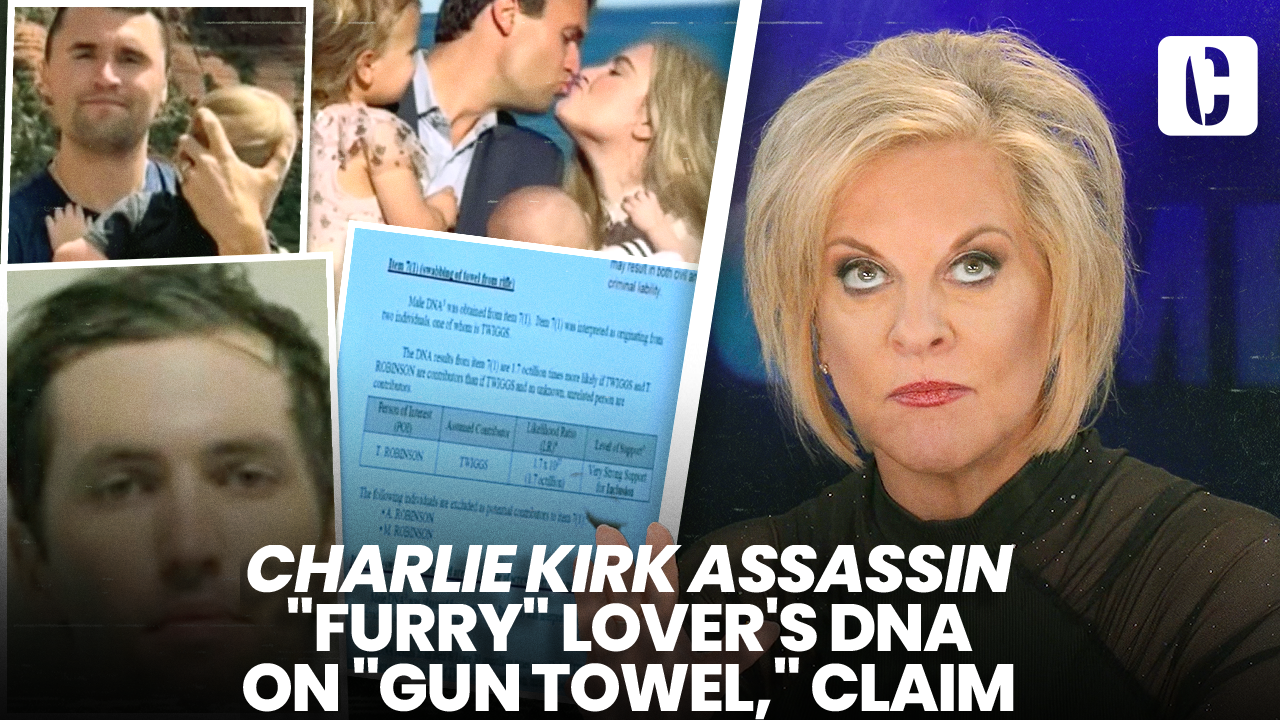
On a quiet day in a bustling city, the buzz of political rhetoric hung in the air, punctuated by a shocking twist that would send ripples through the fabric of American discourse. A supposed assassination attempt on prominent conservative figure Charlie Kirk has raised eyebrows and intensified debates around political violence in America. The latest development? The alleged assassin, referred to as 'Furry,' has reportedly left DNA traces on a 'gun towel' at the scene of the crime, and as the case edges closer to trial, the implications are profound.
Charlie Kirk, founder of Turning Point USA, has become a polarizing figure in the American political landscape. Known for his incendiary remarks on culture and politics, his visibility has made him a target for both admiration and disdain. The claims surrounding this assassination attempt reveal not just individual motives but also a broader narrative about the escalating tensions in our society. As the court proceedings unfold, one must ask who truly benefits from this violence-laden drama.
The courtroom will soon witness a spectacle that is as much about the alleged crime as it is about the narrative woven around it. The case against Furry, whose identity remains cloaked in the shadows of anonymity, brings to light serious questions about mental health, political extremism, and the societal failings that allow such acts to fester. Who is Furry? What drove them to allegedly prepare for such a heinous act? These inquiries are essential not only for understanding this case but for grappling with the broader implications of political violence in America.
This isn’t an isolated incident. The increase in political violence has been alarming, reflecting a troubling normalization of aggression in political rhetoric. The events surrounding Kirk's assassination attempt echo the patterns seen in previous cases, where rhetoric incites action. From the attack on the Capitol on January 6 to various threats against public figures, this moment encapsulates a crisis in civic discourse. The questions arise: Are we cultivating an environment where such acts are not just tolerated but almost expected? What are the systemic issues at play?
As the investigation unfolds, the courts will play a pivotal role in shaping public perception of both the accused and the victim. The judicial process is critical, serving as a barometer for societal values and our collective commitment to justice. Yet, the justice system is far from perfect. Anecdotal evidence suggests that when political figures are involved, the scrutiny and urgency of the investigative process can differ significantly from cases affecting marginalized communities. Will Furry receive the same level of attention and due process as someone of a different social standing? The answer to this question will reflect the entrenched inequalities that persist within our system.
Furthermore, the media’s role in shaping narratives cannot be overlooked. The coverage surrounding this case has largely concentrated on sensational aspects, often neglecting the underlying socio-political mechanisms that contribute to such violence. This frenzy fuels a cycle of outrage and spectacle that ultimately detracts from deeper conversations about the root causes. It raises a critical point: what happens when media sensationalizes rather than contextualizes tragedy? Are we complicit in perpetuating this cycle?
The alleged DNA evidence has stirred considerable discussion about the reliability and context of forensic science in criminal proceedings. DNA can be a powerful tool, but it is not infallible. The complexities of how evidence is collected, preserved, and analyzed are often glossed over. It leads to a broader conversation about the reliance on forensic evidence as a definitive marker of guilt. The presence of DNA does not equate to motive or intent, an important distinction that must be made as the case progresses.
Moreover, we must examine the cultural dynamics at play within this story. Furry's alleged actions may signify a reaction to the hyper-partisan environment that characterizes contemporary American politics. The rise of political violence is not a standalone phenomenon; it is an extension of a culture that often finds validation in anger and division. The implications extend beyond the courtroom and into the community, fostering an environment where discourse is replaced by hostility.
As the trial date approaches, the stakes grow higher. Furry’s defense will not only confront the prosecution's claims but will also challenge the broader narrative around political violence and its place in our society. The implications of this case could have lasting effects on how we approach discussions around free speech, political dissent, and the boundaries of acceptable political expression.
Looking forward, this case serves as a crucible for our times. It presents an opportunity to confront uncomfortable truths about political violence and the societal structures that perpetuate it. As citizens, it is our responsibility to scrutinize not only the actions of individuals but also the atmosphere that allows such violence to thrive. The question remains: Will we allow this moment to catalyze genuine change, or will it merely fade into the background noise of political outrage? As the trial begins, the eyes of the nation will be watching, with implications that extend far beyond the courtroom doors.