What We Know About Nolan Wells: The Teen's Death and the Investigative Fallout
By Tanya Brooks, PowerVault Staff Chilling rumors swirl around the tragic death of a teenager named Nolan Wells. The circumstances surrounding his passing are not only cloaked in mystery but also punctuated by unsettl...
By Tanya Brooks, PowerVault Staff
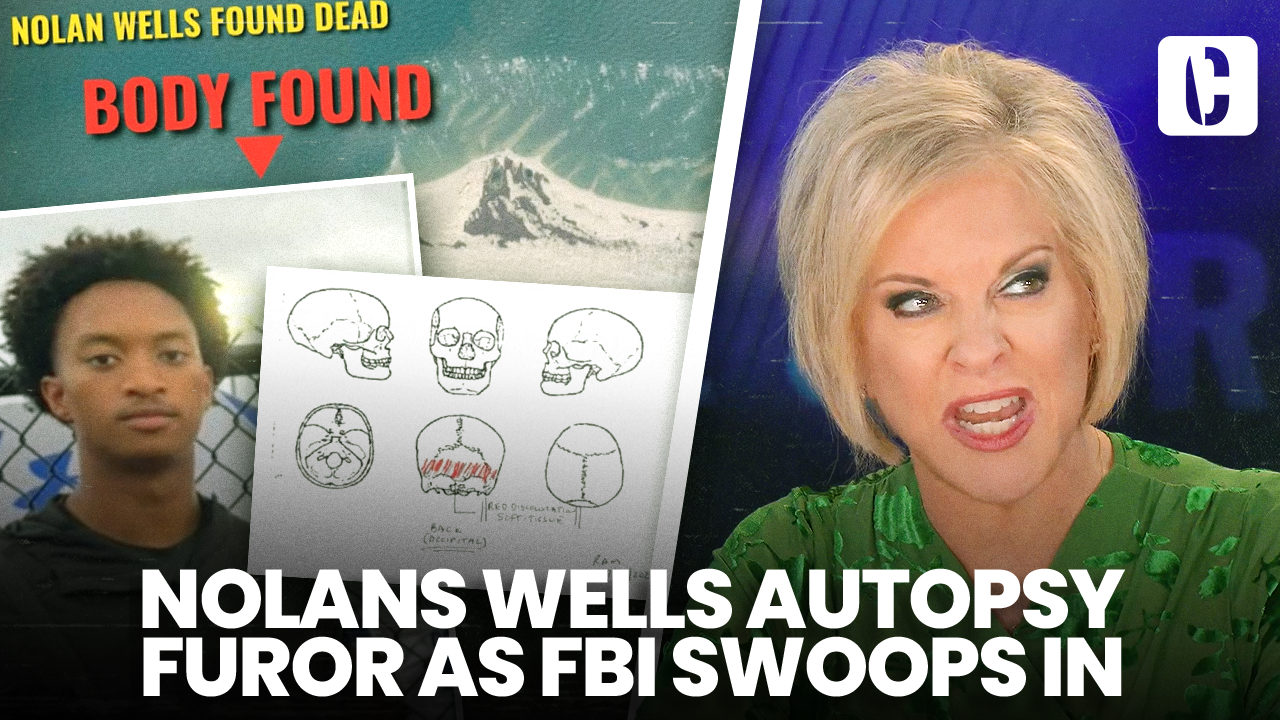
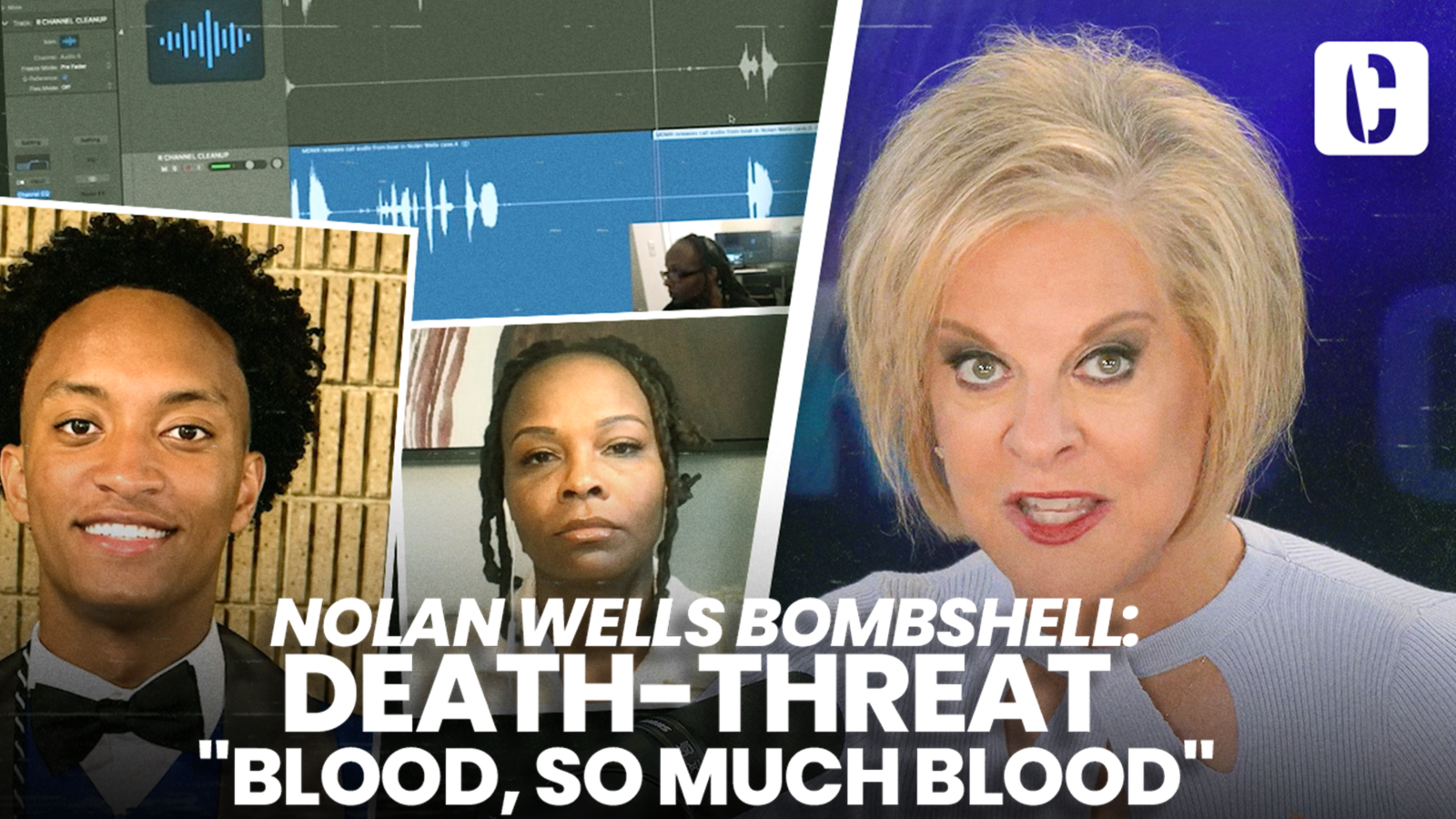
Chilling rumors swirl around the tragic death of a teenager named Nolan Wells. The circumstances surrounding his passing are not only cloaked in mystery but also punctuated by unsettling details. A community grapples with grief, while investigators aim to untangle their findings from the emotional upheaval that has ensued. Nolan was purportedly a young man with ambitions, dreams, and a life ahead of him, yet his story is now punctuated by the haunting echoes of an autopsy report and the ominous phrase, "blood, so much blood." These are not mere words; they are the stark realities of a life cut short, begging deeper investigation into the systemic failures that may have allowed such violence to persist.
The autopsy, reportedly completed by the state, is now a focal point for investigators and, inevitably, for the public eye. As details emerge, they indicate that Nolan’s death was no accident. In a world where violence often goes unreported or obscured by the noise of everyday life, the tragedy of his death is a call to attention. The questions are inevitable: How did this happen? Who is accountable? And, perhaps most hauntingly, why does this resonate with so many who have witnessed similar tragedies in their own neighborhoods?
Nolan Wells was not just a name in a news report; he was a member of the community, a potential future leader, or artist, or simply a teenager exploring his identity. His passing sends ripples of fear and uncertainty through a community that is already too familiar with loss. Reports from various outlets, including those led by seasoned journalists like Nancy Grace, suggest that the investigation is ongoing. Yet the public's confidence in law enforcement to handle such cases has been eroded by a history of inaction and indifference toward marginalized communities, especially in the face of youth violence.
When examining the details surrounding Nolan’s death, the question of who benefits from this tragedy emerges. Who stands to gain from the continued silence around youth violence? There is an uncomfortable truth that society often overlooks: systemic inequalities play a significant role in how justice is served or denied. Communities of color face a double-edged sword of mistrust toward law enforcement and a relentless cycle of violence. This backdrop creates an environment where young lives like Nolan’s can be extinguished without an adequate response from the agencies tasked with protecting them.
The factors contributing to tragedies like Nolan's death often extend beyond the immediate circumstances into broader societal issues, including poverty, lack of access to education, and mental health resources. Young men, particularly in urban settings, face a barrage of challenges that can lead to violence or victimization. When systemic failures meet individual tragedy, the fallout creates an environment of fear and distrust. It’s not just Nolan’s death that must be examined, but rather the systemic framework that allows these incidents to occur repeatedly.
Nolan’s case is not isolated; it reflects a larger pattern of youth violence that plagues communities across the United States. Each loss is a reminder of a system that often prefers to look away rather than confront uncomfortable truths. The media's role in portraying these stories is critical, as sensationalism can skew public perception while neglecting the deeper issues at play. This case is a call to action for the media to dig deeper, to ask hard questions and hold the powerful accountable.
Racial undertones also underpin this case. The death of a Black teen in America is often met with a familiar pattern. Law enforcement might classify it as gang-related or related to other stereotypes that further perpetuate a narrative of criminality rather than victimhood. This is not merely an issue of one individual's death; it is symptomatic of a larger societal problem where Black lives are often devalued. The conversation must shift from viewing these incidents as isolated tragedies to understanding them as part of a continuum of violence and neglect.
As the investigation unfolds, the community is left to ponder their next steps. Vigilance is paramount. Grassroots movements often rise in the aftermath of such tragedies, demanding justice not only for the deceased but also advocating for systemic changes that can prevent future loss. Educators, parents, and community leaders must unite to create safe spaces for young people, offering them opportunities to thrive rather than succumb to cycles of violence.
The implications of Nolan’s death extend beyond the immediate family and friends who are mourning. They call into question the adequacy of law enforcement responses to youth violence, the community’s role in preventing such tragedies, and the systemic failings that manifest in the lives of young people. As investigations continue, there is a moral imperative for the community and beyond to remain engaged and informed. They must demand transparency in the investigation and accountability for those whose responsibility it was to protect the youth.
For many, the alarm bells are ringing louder than ever before. The question remains: what happens next? As the investigation progresses, it is crucial for the community to weigh the significance of this tragedy against the backdrop of ongoing systemic issues. Will there be a push for policy changes that prioritize youth safety and community support? Will local leaders step up to ensure that Nolan’s story does not fade into a statistic?
This case is not just about Nolan Wells; it is emblematic of the struggles faced by countless others who have been silenced. Society must choose to listen, to engage, and to demand justice,not just for Nolan, but for all the young lives that have been lost to violence. As we await further developments in this tragic case, one thing remains clear: the fight for justice and accountability is far from over.