A'ja Wilson's Frustration with Bam Adebayo: What It Means for Black Athletes
By Renee Fontaine, PowerVault Staff A'ja Wilson's candid reaction to the Miami Heat's recent struggles, particularly the performance of Bam Adebayo, has sparked a conversation that's echoing beyond the basketball cour...
Advertisement

By Renee Fontaine, PowerVault Staff
A'ja Wilson's candid reaction to the Miami Heat's recent struggles, particularly the performance of Bam Adebayo, has sparked a conversation that's echoing beyond the basketball court. At a time when every move is scrutinized, Wilson's visible frustration captured on camera says a lot not just about her personal investment in Adebayo's success but also highlights a broader narrative about the pressures facing Black athletes in the high-stakes realm of professional sports. This moment transcends mere sportsmanship, touching on the intricate dynamics of race, representation, and expectation. Wilson's reaction shows the emotional labor that Black athletes endure, often serving as both symbols of hope and targets of criticism in an industry that rarely offers them the grace they deserve.
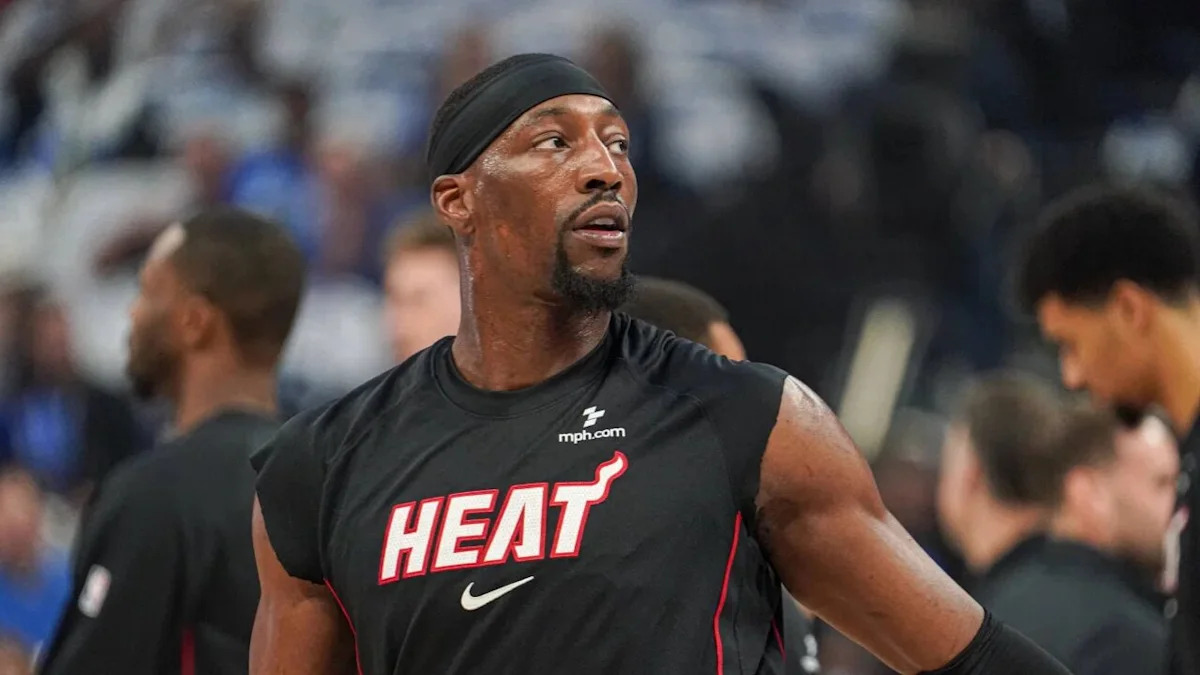
The scene unfolded during a game where the Heat, after a much-touted team revamp, were not meeting expectations two games into the season. The video, circulated widely on social media, shows Wilson visibly exasperated, a reflection of the collective disappointment shared by many who hoped for a promising start. This is more than about a single game but reflects the weight of expectations on Adebayo, who, like many Black athletes, stands as a beacon of hope for a diverse fan base that sees their own aspirations embodied in his journey. The Heat’s sluggish start, despite off-season promises of transformation, had fans and analysts alike, including Wilson, questioning the rhetoric versus the reality of the changes that were supposed to elevate the team.
Miami's off-season moves, which were supposed to bolster their lineup, seem to have fizzled out early. Adebayo, expected to lead and elevate the team's dynamics, finds himself grappling with the weight of these expectations, a burden that feels heavier with every missed opportunity. The Heat's management had banked heavily on him, a decision now under scrutiny as fans witness the widening gap between potential and performance. It's a stark reminder that the pressure to deliver is often disproportionately placed on Black athletes, who must handle not only their personal challenges but also the broader expectations of a community that often looks to them for inspiration and validation. The clip that set everything off is below.
In professional sports, Black athletes often carry the weight of entire communities on their shoulders. Adebayo's current struggles are not just a personal challenge but a reflection of systemic pressures where Black excellence is expected yet inconsistently supported, leaving athletes to handle a scene fraught with inequity. The Heat management's decision to rely heavily on Adebayo highlights the disparities in support structures available to Black athletes, who are frequently thrust into leadership roles without the necessary backing to ensure their success. The visible frustrations of role models like Wilson show this tension, serving as a poignant reminder of the unspoken burdens that Black athletes carry while striving to excel in a system that doesn't always have their best interests at heart.
Wilson's reaction, while raw, is grounded in the realities faced by Black sports figures handling spaces historically dominated by different narratives. Her visible support and frustration with Adebayo's struggles speaks to a larger issue about representation and the silent burdens Black athletes bear. She addressed it head-on in her comments, which fans and pundits alike have echoed, illustrating a shared understanding of the challenges that come with handling an arena where racial dynamics are ever-present. Wilson's candidness serves as both a rallying cry and a call to action, urging stakeholders within the sports industry to acknowledge and address the systemic barriers that continue to hinder true progress for Black athletes.
This isn't the first time we've seen such dynamics play out in sports. Consider the historical pressures on athletes like Michael Jordan during the '90s or LeBron James in recent years. Jordan's relentless push to greatness amidst systemic obstacles mirrors what many athletes endure today, handling a world where their every move is scrutinized through a racial lens. Meanwhile, LeBron's scrutiny, often disproportionate to his white counterparts, showcases the enduring racial expectations in sports that demand Black athletes prove themselves time and again, often without the same level of support or understanding. These instances reveal a persistent pattern where Black athletes are placed under microscopes, expected to handle a system designed without them in mind while carrying the hopes and dreams of entire communities.
Wilson's visible frustration wasn't just sports fandom; it was a mirrored cry from every Black athlete caught in a system that demands performance yet offers little grace.
Wilson's visible frustration wasn't just sports fandom; it was a mirrored cry from every Black athlete caught in a system that demands performance yet offers little grace.
For Adebayo, Wilson's reaction serves as a poignant reminder of the support system he has but also the scrutiny he faces on a daily basis. It is proof of the community that rallies behind him, often unspoken but always present, providing a source of strength and motivation to persevere despite the challenges. However, it also highlights the critical need for teams to provide better structures around their key players, especially those from marginalized backgrounds who often face unique pressures and expectations. It's imperative for organizations to recognize that these athletes are not just players but representatives of broader societal narratives, carrying the weight of cultural significance and the aspirations of those who see them as symbols of hope and possibility.
On a broader scale, the Heat's struggles represent a challenge to the NBA’s facade of progression. For years, the league has marketed itself as progressive, boasting of diversity and inclusion initiatives, but incidents like this remind us of the work still needed to truly support Black athletes. The NBA, like many sports bodies, must look beyond on-court performance and prioritize mental health, community support, and equitable opportunities for all its players, recognizing that true progress requires more than just symbolic gestures. This requires a structural shift rather than performative gestures, a commitment to dismantling the systemic barriers that continue to hinder true equality and inclusion within the sport.
And for the audience, Wilson's reaction should be a wakeup call. The passion and investment she shows reflect the deep ties between athletes and their communities, signifying the profound impact sports figures have as cultural icons and role models. It's a reminder that Black athletes carry legacies of hope, resilience, and triumph over adversity, embodying the dreams of those who came before and fostering the aspirations of future generations. The video below captures these emotions, showing that athletes' struggles on the court often mirror challenges off it, serving as a stark reminder of the societal dynamics that extend beyond the game itself and into the fabric of our communities.
Advertisement
Beneath this story lies a complex web of race, class, and industry dynamics that shape the experiences of Black athletes like Adebayo. His journey is emblematic of many young Black men thrust into the spotlight, expected to perform miracles with minimal support and resources. The sports industry, while lucrative, often exploits Black talent without providing necessary safety nets, leaving athletes vulnerable to the systemic inequities that persist in a predominantly white-controlled arena. This isn't merely about basketball, it's a reflection on how society values Black contributions, often celebrating their successes while overlooking the structural barriers they must overcome to achieve greatness in fields that have historically marginalized their voices and talents.
As the season progresses, all eyes will remain on Miami and Bam Adebayo, with fans and analysts alike watching closely to see if they can rise to the challenges or if these early stumbles will set a tone for the year. For now, Wilson's reaction remains a powerful symbol, challenging fans, teams, and the league to rethink how they support Black athletes, urging a shift from expectations to empowerment. In the end, the true measure of success will be how these lessons transform into action, much like how Jay-Z's legacy influences beyond music, serving as a catalyst for change and inspiring a new generation to redefine what it means to succeed in a world that often seeks to limit their potential.