Atlanta Dream's Arena Dilemma: What Game 6 Means for WNBA and Black Athletes
By Jasmine Reed, PowerVault Staff The Atlanta Dream face a major hurdle as Game 6 of the WNBA Finals looms without a confirmed venue. Scheduled for Thursday, the Atlanta Hawks’ duel with the Cleveland Cavaliers at Sta...
Advertisement

By Jasmine Reed, PowerVault Staff
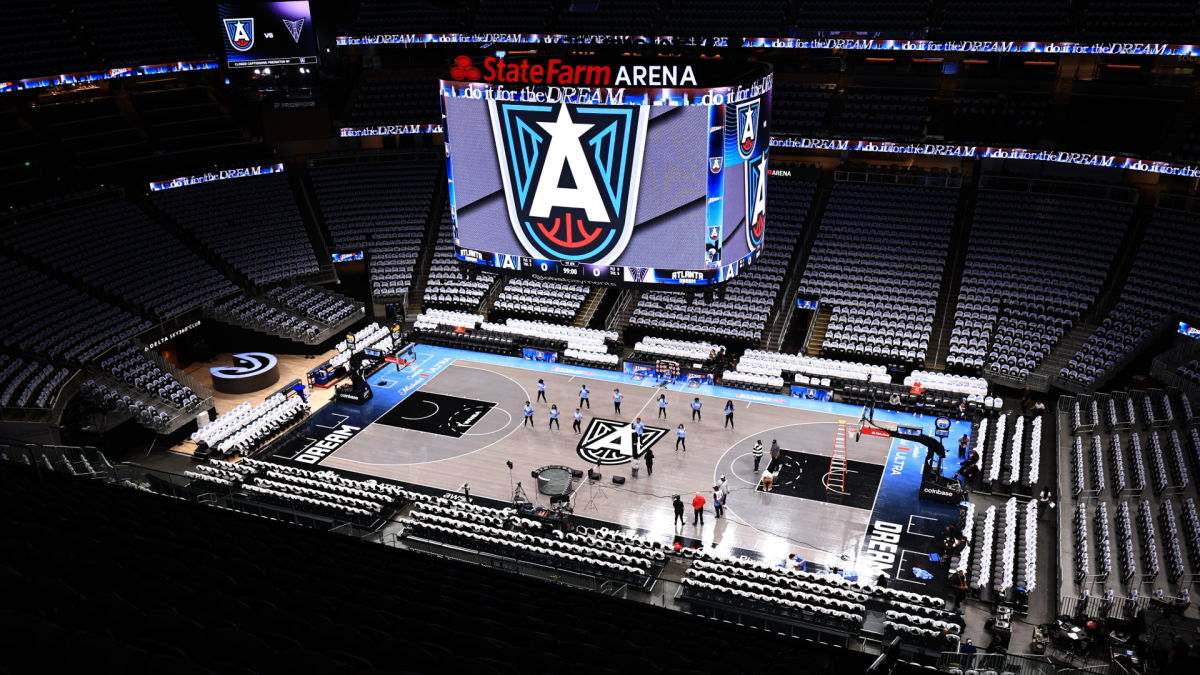
The Atlanta Dream face a major hurdle as Game 6 of the WNBA Finals looms without a confirmed venue. Scheduled for Thursday, the Atlanta Hawks’ duel with the Cleveland Cavaliers at State Farm Arena threatens the Dream's home advantage. At this turning point in the series, tied at 2-2, this scheduling clash isn't just an inconvenience; it shows a persistent undervaluing of women's sports. For the Dream, playing in front of their home crowd could be a game-changer, but they're left in uncertainty. This scenario reflects a broader issue in sports where women's teams often find themselves sidelined, particularly alarming in a moment as crucial as a finals series where every detail can shift the balance.
Details of this logistical mess first surfaced on CBS Sports, drawing attention to the scheduling quagmire at State Farm Arena. As the primary tenants, the Hawks hold the coveted 7 p.m. Slot, leaving the Dream’s crucial Game 6 hanging in the balance. This is more than a minor inconvenience; it's a significant disruption for a team fighting for a championship. The Dream's usual haunt, the 3,500-seater Gateway Center Arena, feels inadequate for a momentous clash like this, especially when every point matters in a finals game. The WNBA, caught in this bind, has yet to offer a solution, leaving fans and players in suspense. The lack of a venue decision not only undermines the significance of the game but also questions the commitment to elevating women's sports.
In recent history, the Dream have had to shuffle and adapt to various scheduling conflicts. Game 3 was rescheduled to dodge a concert, while Game 4's kickoff time was adjusted to accommodate the Hawks' season opener. Angel Reese, a leading voice for the Dream, conveyed her hope for continued fan support in Atlanta. "Just them showing up again," Reese expressed post-Game 4, emphasizing the Dream's reliance on their community. Her words underline the importance of a supportive home crowd, which can be the X-factor in such a high-stakes series. The Dream's ability to draw energy from their fans highlights the essential connection between the team and its base, a relationship that is strained by the uncertainty of their home court.
The Dream's predicament explains a larger issue: the shared resources between WNBA teams and their NBA counterparts. For many fans, the question isn't just about where Game 6 will happen but why the Dream is relegated to this uncertainty in the first place. This isn't an isolated incident. Such issues are woven into the fabric of women's sports, where logistical considerations often take a back seat to those of men's leagues. This disparity speaks to a long-standing imbalance in how resources and respect are distributed. In a league where Black women athletes are the backbone, the inequity in scheduling and venue access reflects broader societal undervaluing of their contributions and achievements.
To alleviate such clashes in the future, the Dream announced a multi-year agreement starting in 2027 to play exclusively at State Farm Arena. However, this future assurance does little for the present pain. Fans and players are left in limbo, yearning for a venue that reflects the gravity of a WNBA Finals match. The Dream's situation highlights the urgent need for immediate solutions that honor the significance of the moment. As they wait, the ongoing struggle is a reminder of the broader challenges faced by women's sports leagues, where plans for future improvement often overshadow pressing current needs. The ongoing struggle is captured in the video below, illustrating the tension between promises of future stability and current uncertainties.
Historically, the WNBA has had to handle a scene where women's sports are perpetually underfunded and undervalued. The league's inception in 1996 was groundbreaking, yet it has consistently fought for respect and resources. The 2005 Houston Comets' displacement due to similar scheduling conflicts mirrored today's challenges, a clear indication that these problems are deeply entrenched. Such recurring issues spotlight the need for systemic change, especially in a league powered predominantly by Black athletes who continually face battles for recognition and equality. As the WNBA grows, it becomes increasingly clear that the league must push for fundamental shifts in how women's sports are prioritized, ensuring that athletes receive the respect and resources they rightfully deserve.
This moment is a glaring reflection of the systemic underestimation of women's sports, particularly in a league where Black women are the backbone.
This moment is a glaring reflection of the systemic underestimation of women's sports, particularly in a league where Black women are the backbone.
The Dream's situation is an all-too-familiar narrative in women's sports, where financial and logistical commitments are often second to men's leagues. The WNBA's inability to guarantee that their championship games aren't overshadowed says a lot about the current state of support for women's basketball. It's a call to action for more investment and respect for the league and its players, who consistently deliver top-tier performances despite systemic challenges. The lack of commitment to ensuring equitable treatment in scheduling and venue access reflects a broader societal undervaluation of women's sports. As the WNBA continues to fight for its rightful place in the sports scene, this situation serves as a stark reminder of the work that still needs to be done.
For the Dream, this is more than about finding a last-minute venue. It’s about the message sent to their players and fans. When Black athletes, especially women, bring their A-game consistently, they deserve equal recreational spaces and opportunities. This tells them their game isn't as worthy of premium venues and amenities, perpetuating a narrative that undervalues their talent and contributions. The struggle for equality in sports is a reflection of broader societal issues, where Black excellence is often met with barriers instead of the celebration and support it deserves. Ensuring that the Dream have a venue befitting their championship aspirations is about more than logistics; it's about affirming their worth and the value of women's sports on a larger stage.
For the fans, this debacle goes beyond basketball. It's about being seen and valued. The WNBA stands as a symbol of progress and representation for many Black communities, offering a platform where excellence is celebrated. Having their finals tossed around due to scheduling conflicts feels like a slap in the face, questioning their worth to the sports world. Fans invest emotionally and financially in their teams, and being relegated to second-class status undermines that relationship. The lack of certainty surrounding Game 6 is more than an inconvenience; it's a reflection of the ongoing struggle for recognition and respect that Black communities face in various arenas, both within and outside sports.
Advertisement
Beyond just sport, there's a racial dynamic at play. The WNBA is a league filled with Black excellence, yet when push comes to shove, they must fight for the same spotlight as their male counterparts. This struggle is not unique to sports; it's echoed in other fields too, whether it's the ongoing battle for recognition faced by Lamar Jackson in the NFL or the expectations placed on Black artists and entertainers to transcend barriers like those faced by Doechii in hip hop. The consistent need to prove one's worth in spaces that should already celebrate their contributions highlights a systemic issue of inequality and devaluation. In the WNBA, this manifests as a continuous battle for equality and respect, demanding recognition for their undeniable impact.
As the clock ticks down to Game 6, the WNBA needs to take a stand. A solution needs to be found, not just for the Dream, but for the integrity of the league itself. The decision will signal whether the WNBA is ready to prioritize its teams on the same level as male counterparts. Will the Dream get their deserved home court, or will this be another chapter in a chronicle of neglect? Atlanta and its vibrant fan base watch closely, waiting for fairness to be served. This moment is a test of the league's commitment to its teams and fans, a chance to show that women's sports are not a secondary concern but a vital part of the sports world.