Albany State's Epic Win: What the Fountain City Classic Means for HBCU Football
By Tanya Brooks, PowerVault Staff Albany State left no room for debate in the Fountain City Classic, crushing Fort Valley State with an astonishing 49-0 victory. This wasn’t just a blowout; it was a masterclass in dom...
Advertisement

By Tanya Brooks, PowerVault Staff
Albany State left no room for debate in the Fountain City Classic, crushing Fort Valley State with an astonishing 49-0 victory. This wasn’t just a blowout; it was a masterclass in dominance, showcasing Albany State's absolute control on both sides of the ball. The Golden Rams' offense was relentless, moving down the field with precision and power, while their defense stood like an unyielding fortress, allowing nothing to penetrate. This performance was more than a win on the scoreboard, it was a bold proclamation of HBCU football's vibrancy and talent. In a season where every game counts, Albany State not only seized victory but also reaffirmed the strength and spirit that these historic institutions embody. This was a game that spoke volumes about the passion and determination that drive HBCU athletics, echoing far beyond the confines of the stadium.
The Fountain City Classic's significance lies beyond the scoreboards, it's a cultural cornerstone that unites not just fans, but the entire HBCU community in a celebration of shared heritage and pride. When the Albany State Golden Rams put on their electrifying performance, it wasn’t just about football; it was about honoring legacies and creating new memories. The energy rippled across social media, with alumni and supporters flooding timelines with pride and joy. The atmosphere in the stands and online was electric, proof of the community's unwavering support. ESPN+ broadcast this historic triumph, ensuring that even those who couldn't be there in person felt the thrill and excitement. By capturing and sharing these moments, the platform amplified the reach of Albany State's emphatic win, allowing the celebration of HBCU excellence to echo nationwide.
With HBCU football's storied tradition, these games transcend mere competition. Earlier in the week, South Carolina State set the tone in Washington, edging out Howard in a nail-biter that kept fans on the edge of their seats. It was freshman Ricorian Brown who stole the spotlight, sealing the win with a breathtaking touchdown in the final 17 seconds. This victory wasn't just another mark in the win column, it underscored South Carolina State's resilience and drive, pushing them to an impressive 8-2 overall and a perfect record in the MEAC conference. Such performances highlight the depth of talent within HBCUs and the thrilling unpredictability of their matchups. These games aren't just contests; they're narratives of determination, skill, and the unyielding pursuit of excellence that define HBCU football.
This kind of fervor is what sets HBCU football apart. The stakes were sky-high not only for Albany State but also for other contending teams like Alabama A&M, who are vying for supremacy in their conferences. Saturday's lineup was a football fan's dream, featuring heavyweight clashes like Alabama A&M taking on Prairie View A&M and Virginia Union facing off against Virginia State. Each of these matchups held the potential to reshape the conference standings, making every play crucial. As game day approached, the anticipation crescendoed, with players and fans alike taking to social media to voice their excitement and predictions. The buzz was palpable, creating a digital community rallying around their teams, embodying the unique spirit and camaraderie found in HBCU sports.
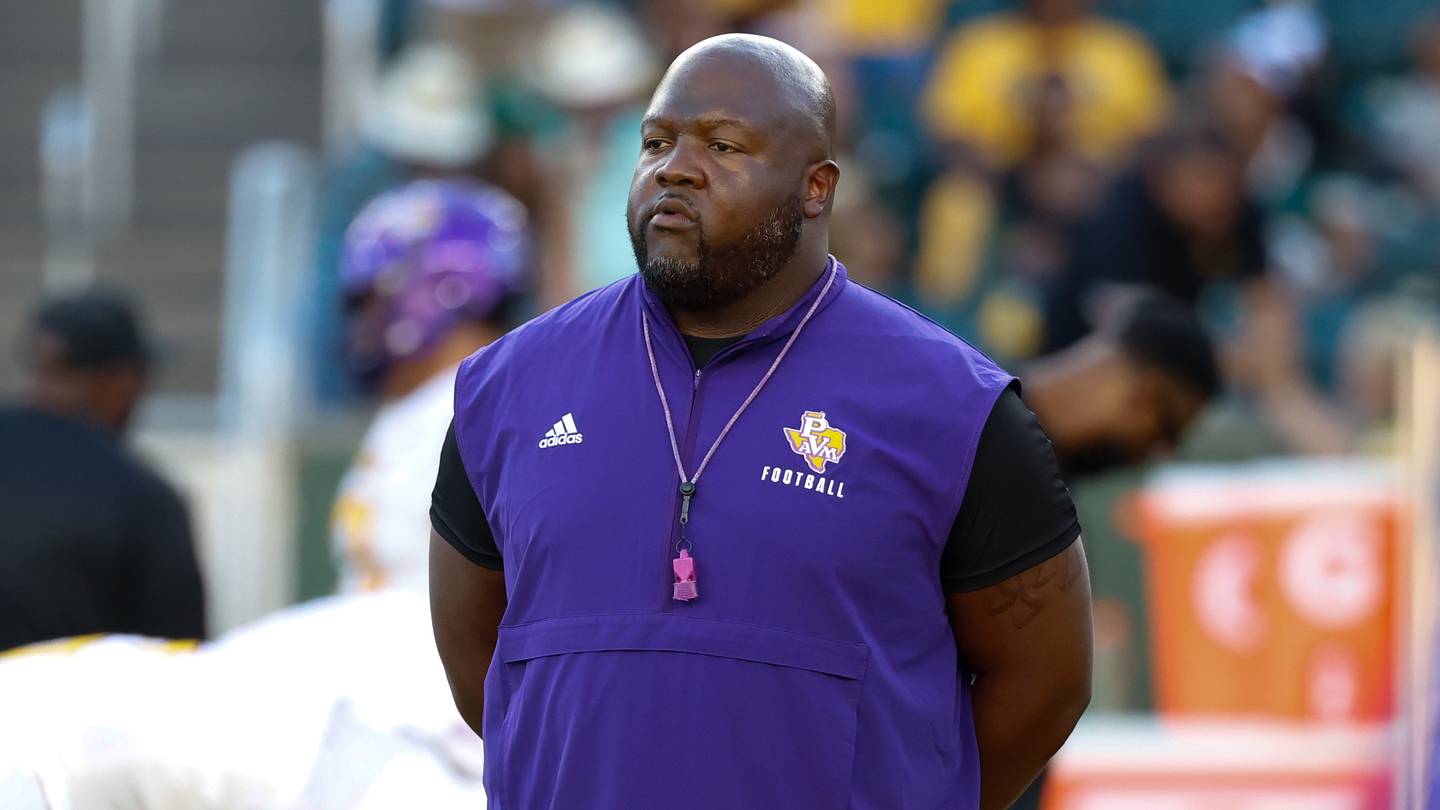
Such matchups are crucial not only for the teams but for the fans who rally behind them with unwavering fervor. The atmosphere at Prairie View A&M was particularly charged as they prepared to defend their home turf against the formidable Alabama A&M. With the stakes so high, Coach Tremaine Jackson aptly summed up the task ahead, emphasizing the importance of staying focused and taking it 'week to week.' As the game unfolded, the energy in the stadium was nothing short of electric, with every tackle, pass, and touchdown met with roaring cheers and chants. This palpable passion is what makes HBCU football an experience unlike any other, where the field becomes a stage for both athletic prowess and community unity.
HBCU football is, in many ways, the beating heart of Black collegiate culture. With iconic elements like the Marching 100 from Florida A&M or the legendary Bayou Classic, these games are steeped in tradition and serve as vibrant celebrations of community and heritage. The Fountain City Classic is no exception, embodying the spirit of HBCUs as it brings together alumni, students, and fans in a jubilant display of school pride and cultural richness. It's a gathering where past meets present, and every cheer in the stands and note from the band tells a story of resilience and unity. These games are more than athletic contests; they're cultural events that highlight the enduring legacy and vibrant future of HBCUs, making them essential threads in the fabric of Black culture.
This is more than a football game; it's a celebration of Black collegiate excellence and community spirit.
This is more than a football game; it's a celebration of Black collegiate excellence and community spirit.
In recent years, HBCU sports have gained more visibility, partly due to increased media coverage and a renewed interest in supporting Black institutions. Major networks like ESPN and streaming services such as HBCU GO have stepped up to the plate, broadcasting more games and shining a spotlight on these schools' athletic brilliance. This newfound exposure is not just about showcasing talent, it's a crucial lifeline for recruitment, enticing top-tier athletes who might otherwise gravitate toward larger, predominantly white institutions. By elevating these schools on a national stage, media platforms are helping to level the playing field, allowing HBCUs to compete not just in sports but in public perception, thereby strengthening their cultural significance and institutional prestige.
But let's keep it real: this visibility also shines a light on the inequities HBCUs face, particularly when it comes to funding and resources. Despite the growing attention, these institutions often struggle financially, lacking the deep-pocketed benefactors that predominantly white institutions enjoy. HBCUs frequently rely on the generosity of their communities and the dedication of alumni who give back to ensure their survival and success. This financial disparity shows a longstanding issue in higher education, where the playing field is anything but level. Yet, the resilience of HBCUs is nothing short of remarkable. They continue to thrive and cultivate top-tier talent, proving that adversity only fuels their determination to succeed and excel.
Football at HBCUs isn't just about the game; it's about history, pride, and identity that resonate deeply with students, alumni, and fans alike. The SWAC and MEAC conferences are not merely athletic leagues; they are legacies that carry the weight of cultural significance and historical importance. Fans show up in droves, transforming stadiums into vibrant seas of school colors, embodying the spirit of their alma maters. The air fills with the soul-stirring sounds of marching bands, creating an atmosphere that's as much a musical celebration as it is a sporting event. These gatherings are powerful affirmations of the value of HBCUs, where each game day is a reminder of the community and unity that these institutions foster.
The race dynamics at play in HBCU sports can't be ignored. As Black athletes increasingly dominate professional leagues, the role of HBCUs in nurturing this talent becomes even more crucial. However, the financial disparities remain stark and highlight systemic inequities. Sponsorships, media rights, and endorsements often gravitate toward more prominent schools, leaving HBCUs to fight for their slice of the pie. This disparity calls for a more equitable distribution of resources, recognizing the invaluable contributions these schools make to collegiate athletics and beyond. It's a conversation that needs to continue, advocating for the recognition and support that HBCUs richly deserve as they continue to shape the world of sports and education.
Looking ahead, the future of HBCU football shines bright. As more alumni and supporters rally behind these institutions, the potential for growth is limitless. HBCUs are not just preserving their legacy; they’re actively building it, field by field, game by game. Expect to see more of these schools not just making headlines for their athletic achievements but also for their cultural and societal impact. This win by Albany State is just one chapter in a much larger story that celebrates both the perseverance and potential of HBCUs. As they continue to excel academically and athletically, HBCUs are poised to redefine success, setting new standards in collegiate sports and education.
Advertisement
As we wrap up this chapter in HBCU football, it's clear that Albany State's victory is more than just a win on the field. It's a reminder of the strength, resilience, and unity within the HBCU community. As eyes turn to the next set of games, the conversation continues, not just about sports, but about how these institutions continue to uplift and inspire, reminding us all of their crucial role in the fabric of Black education and culture.
More from PowerVault Network: