Students Transform Illinois Barbershop into Historic Museum
By Tanya Brooks, PowerVault Staff Students in Illinois have taken a bold step in preserving Black history by transforming an old barbershop into the Project XV Museum, a tribute to David Strother, the first Black man...
Advertisement

By Tanya Brooks, PowerVault Staff
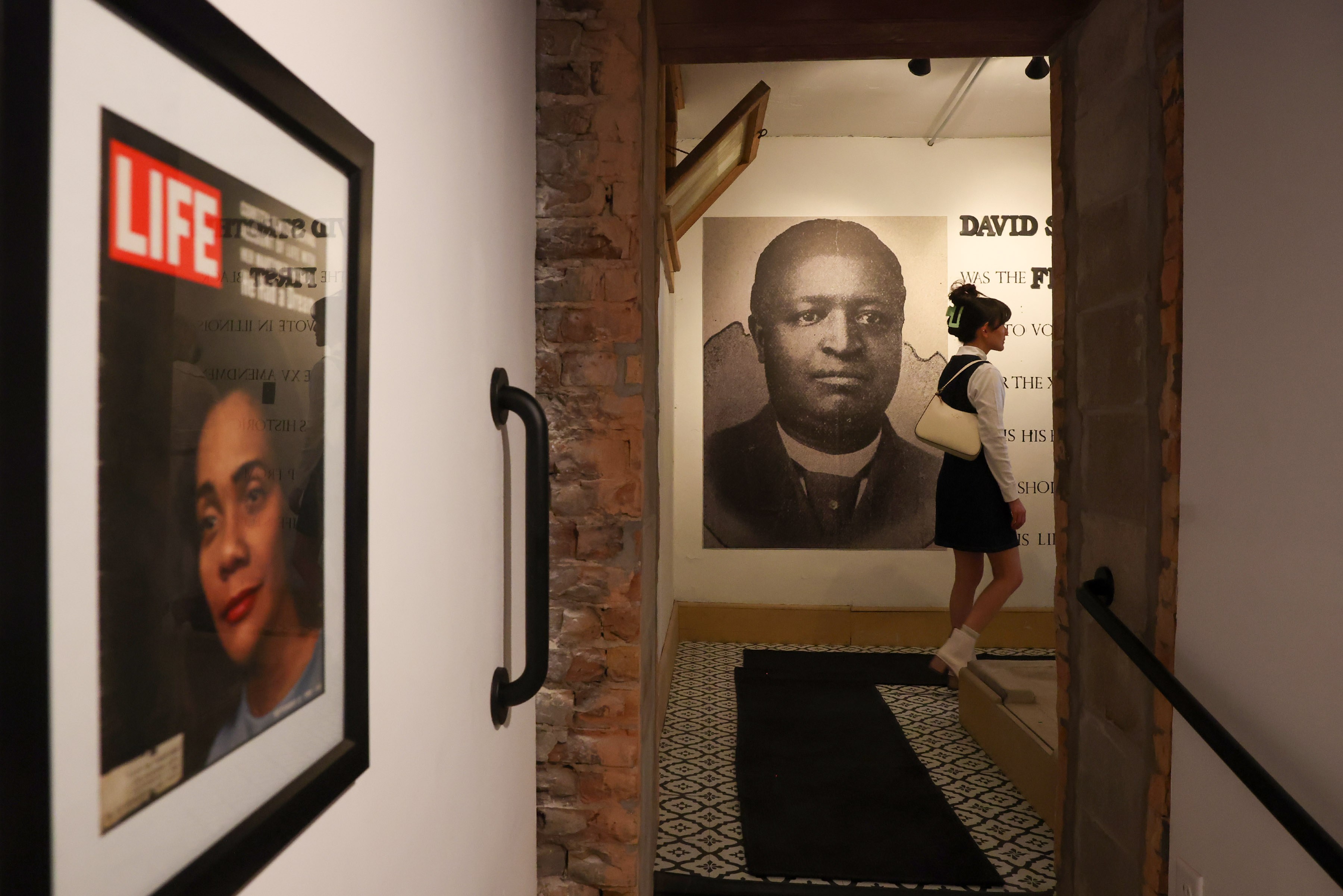
Students in Illinois have taken a bold step in preserving Black history by transforming an old barbershop into the Project XV Museum, a tribute to David Strother, the first Black man to vote in the state after the 15th Amendment was ratified. This initiative not only revitalizes a historical site but also breathes new life into Strother's legacy in a town that was once a pivotal crossroads of American history. The museum proves the perseverance and determination of Strother and others who fought for voting rights at a time when racial equality was far from realized. By honoring Strother’s groundbreaking achievement, this museum invites visitors to reflect on the ongoing struggle for civil rights, while celebrating a key moment of progress in our nation’s history.
Located in El Paso, Illinois, approximately 90 miles southwest of Chicago, the Project XV Museum serves as a beacon of Black excellence and perseverance. This innovative space, emerging from what was once a dilapidated structure, commemorates David Strother's monumental act on April 4, 1870, when he courageously cast his vote, defying an era of racial oppression and marking a significant milestone in American history. The museum's establishment has been highlighted by local news outlets, underscoring the power of youth involvement in preserving and uplifting historical narratives. It stands as a powerful reminder of the impact young people can have when they engage with their community’s history, transforming spaces of decay into vibrant centers of cultural remembrance and empowerment.
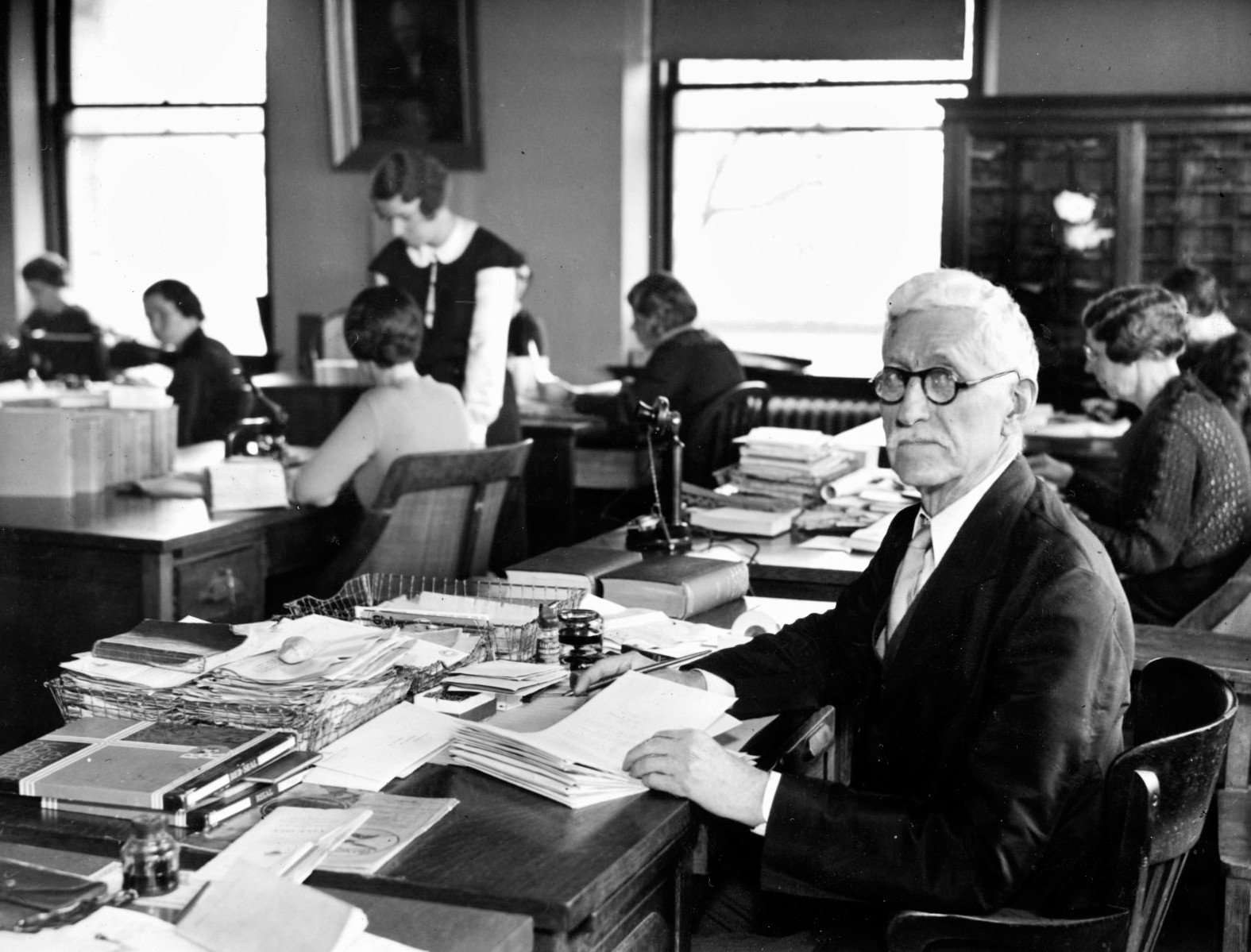
David Strother's journey began in Missouri, where he was born free in 1843 to parents who had purchased their freedom, embodying the spirit of resistance and resilience. Strother's upbringing was steeped in the values of education and perseverance, instilled by his mother, Leah, who taught him and his siblings to read and write. These foundational principles guided him through various chapters of his life. Before making his historic mark at the polls, Strother worked on Mississippi River steamboats, proof of his industrious nature. He also served as a cook for the 17th Illinois Infantry during the Civil War, a role that highlighted his contributions to the Union’s efforts. Today, his rich personal history is brought to life within the museum through a computerized interaction, ensuring his story continues to inspire future generations.
The museum features a captivating interactive video where Strother's digital presence greets visitors with a powerful call to action: “I hope the story of my historic vote inspires you to make your voice heard too.” This engaging and innovative experience, detailed in a recent YouTube video, shows the museum's ability to captivate audiences of all ages. It particularly resonates with the youth, who played a crucial role in the museum's creation, highlighting the importance of engaging young people in historical preservation. By allowing visitors to connect with Strother's legacy on a personal level, the museum not only educates but also empowers individuals, encouraging them to recognize their agency within the context of their community's historical narrative.
The Project XV Museum occupies a site that was once a bustling hub of activity in El Paso. Built in 1874, this building was more than just the Strother Brothers' Barber Shop; it was a cornerstone of the community, housing the town's first library, telephone company, bank, City Hall, and even an opera house. Such a layered space reflects the rich mix of life during that era, and its revival as a museum is thanks to the dedicated efforts of El Paso natives and museum board members who understood the importance of preserving this essential piece of Black history. They recognized that the building was not merely a relic of the past but a living testament to the vibrant and diverse stories that have shaped the community and the broader American narrative.
The historical significance of the building where the museum resides is further illuminated in another YouTube video, adding depth to the museum's narrative. In its prime, this location was a magnetic center of activity, frequented by notable figures such as General Ulysses S. Grant and Abraham Lincoln, who passed through its vicinity. These illustrious visitors add layers to the narratives presented at the museum, offering a richer understanding of the Black experience in America. The presence of such figures highlights the interconnectedness of the local and national history, providing visitors with a deeper appreciation of the past and its enduring impact on the present. It is a reminder that Black history is woven into the very fabric of the American story, deserving of recognition and celebration.
But there's more to this story than just history. The transformation of a neglected structure into a vibrant museum is proof of the power of community-driven initiatives. It highlights the importance of young voices in shaping the narrative, much like how students' participation in political processes today can lead to substantial change.
The transformation of a neglected structure into a vibrant museum is proof of the power of community-driven initiatives.
The creation of the Project XV Museum says a lot about the value of 'Black Joy' and community empowerment, underscoring the transformative power of reimagining spaces. By turning an abandoned, burnt-out building into a vibrant center for historical education and cultural dialogue, the museum embodies the potential for cultural enrichment and inspiration for future generations. This initiative mirrors other cultural movements where reclaiming the narrative is crucial, such as the aftermath of Janet Jackson's Super Bowl controversy, which sparked widespread discussions on racial biases in the media. The Project XV Museum not only preserves history but also reclaims it, ensuring that stories of Black excellence and achievement remain central to the American narrative, empowering communities to celebrate their heritage with pride.
What this museum represents goes beyond a tribute to a historic figure; it is an urgent call to action for individuals, especially the youth, to actively engage with and preserve their history. This initiative parallels the significant impact seen in other symbolically important moments, like Tyler Perry's involvement in Georgia's political scene, where cultural figures leverage their influence beyond entertainment to effect change. Just as Perry has used his platform to advocate for political engagement and reform, the Project XV Museum encourages young people to recognize their power in shaping the future. By drawing connections between historical and contemporary movements, the museum inspires visitors to become active participants in the ongoing struggle for justice and equality, reinforcing the importance of preserving their cultural legacy.
The narrative surrounding the Project XV Museum serves as a powerful reminder of the systemic challenges and triumphs that have defined the American political scene. It echoes the broader fight for civil rights and voting rights, connecting historical struggles to ongoing achievements and challenges. This is similar to contemporary discussions about racial classification and representation in Congress, where the fight for equitable representation continues. The museum not only commemorates a turning point in Black history but also highlights the ongoing efforts to address systemic inequalities that persist today. By drawing these connections, the museum invites visitors to reflect on their role in the larger narrative of civil rights, encouraging them to carry forward the legacy of those who have paved the way for progress.
The racial and economic dynamics in El Paso play a crucial role in the museum's compelling story. The transformation of the Strother Brothers' Barber Shop into a museum mirrors the broader challenges Black communities face in preserving their heritage amid economic pressures and gentrification. This situation is not unlike debates in other cultural arenas, such as Druski's controversial SNL appearance, which raised important questions about representation and appropriation in comedy. Both instances highlight the ongoing struggle for authentic representation and the preservation of cultural narratives. The Project XV Museum proves the resilience of Black communities, showcasing the importance of preserving spaces that honor their history and identity, against the backdrop of ongoing economic and cultural challenges.
Advertisement
As the Project XV Museum continues to educate and inspire, the challenge remains to keep such spaces vibrant and relevant in a rapidly changing world. What happens next could define how we engage with our history and encourage younger generations to appreciate the value of their cultural heritage. The museum's success could serve as a blueprint for similar projects nationwide, preserving the rich mix of Black history for years to come. By ensuring that David Strother's pioneering spirit continues to resonate, the museum not only honors the past but also inspires future generations to embrace their history with pride, fostering a deeper understanding and appreciation of the contributions of Black individuals to the American story.
More from PowerVault Network: