Allisha Gray's Absence: What It Means for the Dream's Playoff Hopes
By Marcus Ellison, PowerVault Staff Under the bright lights of the WNBA playoffs, tension crackles through the air like static before a storm. The Dream's fans have packed the arena, their hopes pinned on a team facin...
By Marcus Ellison, PowerVault Staff
Under the bright lights of the WNBA playoffs, tension crackles through the air like static before a storm. The Dream's fans have packed the arena, their hopes pinned on a team facing off without their star, Allisha Gray. The roar of the crowd swells as the players take their places, fueled not by certainty, but by gritty determination. This is more than a game; it's a proving ground for a team that's learned to adapt amid adversity. The absence of Gray adds an undercurrent of urgency and grit to the atmosphere, reminding everyone that success is often born from struggle. In a league where every athlete understands the weight of history and hope, tonight’s game transcends mere competition. It's about resilience, unity, and the unyielding spirit of a team and its community.
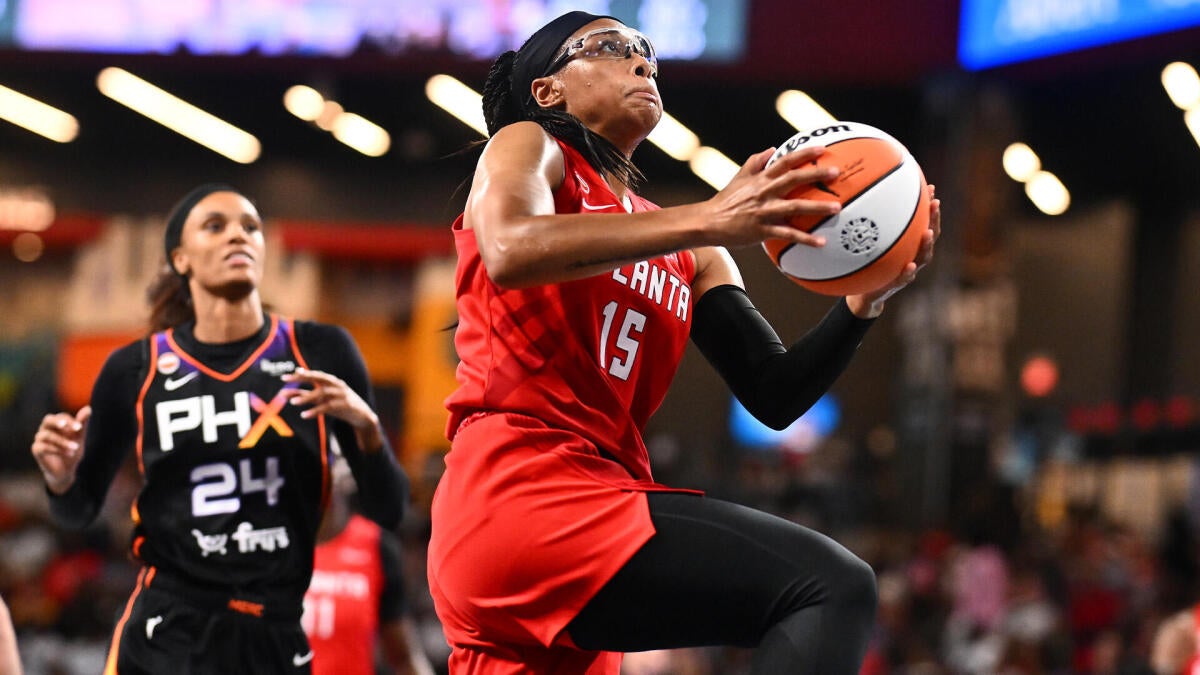
Tonight, all eyes are on Game 2 of the semifinal series between the New York Liberty and the Atlanta Dream, as reported by CBS Sports. The absence of Allisha Gray, Atlanta’s leading scorer and defensive powerhouse, looms large. Gray sustained a finger injury in Game 1, and despite a valiant attempt to return, she was forced to watch the second half from the bench, her finger in a splint, her competitive fire momentarily doused. This is more than a physical absence but an emotional and strategic void, as Gray's leadership on and off the court is integral to the Dream’s identity. Her injury doesn’t just affect the scoreboard; it changes the psychological dynamics of the team. Her teammates must now grapple with the challenge of rediscovering their rhythm and redefining their roles in her absence.
Gray's injury at the end of the first quarter of Game 1 was a harsh blow to the Dream, who rely heavily on her 19 points per game average. Her early exit came after she managed just seven points in 11 minutes. The team, however, rallied in the third quarter with a spectacular 32-15 run against the Liberty, inspired by a halftime speech from DeWanna Bonner. Bonner, a seasoned veteran, lit a fire under her teammates, and the clip that set everything off is below. Bonner’s words weren’t just motivational; they encapsulated the essence of what it means to be a seasoned competitor in the WNBA. Her ability to galvanize the team in a moment of crisis says a lot about her leadership and the respect she commands. It’s a reminder that the WNBA is as much about mentorship and legacy as it is about athletic prowess.
Despite Gray’s absence, Atlanta's defense was ferocious, with nine steals in the pivotal third quarter. They forced turnovers, a skill they honed as the league leaders during the regular season, and turned them into points, flipping a three-point halftime deficit into a commanding lead. This defensive resurgence is proof of their adaptability and tenacity, qualities that might just see them through this series. Their performance is a masterclass in how defense can be both a weapon and a statement, a way to assert dominance and shift momentum. In a league where defensive prowess often goes underappreciated, Atlanta’s ability to disrupt their opponent’s offense speaks to a deep-seated resilience and strategic acumen. It’s a reflection of the team’s identity, one that thrives on overcoming adversity and defying expectations.
The Dream's coach, Karl Smesko, was candid about Gray’s impact, acknowledging the challenge of filling her shoes. Yet, the response from players like Jordin Canada, who hinted at Bonner’s fiery words, suggests that Atlanta isn’t done fighting. They’ve embraced a next-player-up mentality, ready to prove that their success isn’t tied to the presence of one star. See the rallying call unfold in the post below. This mentality is more than just a strategy; it’s a mindset that embodies the very spirit of the WNBA, where teamwork and collective effort are paramount. It shows the belief that while stars may shine, it is the constellation of players working in unison that truly illuminates the path to victory. This ethos is what keeps the Dream resilient and ready to face whatever challenges lie ahead.
Historically, the WNBA has been a crucible for change and empowerment. From its inception in 1996, it has served as a platform for athletes who defy stereotypes and demand equity. In 2020, the league made headlines when players like Maya Moore spotlighted social injustices, pausing her career to fight for criminal justice reform. This legacy of activism and resilience is echoed in the Dream’s current situation, as they rally to overcome the odds stacked against them. The WNBA has consistently been at the forefront of social change, using its platform to advocate for issues that transcend basketball. This spirit of activism is woven into the fabric of the league, providing inspiration and courage to athletes who continue to challenge societal norms. The Dream's current battle is not just a fight for a championship but a continuation of the league's storied tradition of leadership and advocacy.
This moment in the WNBA isn’t just about basketball, it’s about identity and representation.
The WNBA is not just a league but a stage for Black excellence and resilience.
For players like Allisha Gray, excelling on this stage means more than personal accolades. It’s about showing young girls, particularly Black girls, that they too can hold court in spaces that weren’t always welcoming. The injury is a setback, yes, but it also opens a dialogue about resilience and support systems within professional sports. It's a reminder that while talent sets the stage, heart and teamwork bring the victory. Gray’s presence on the court is a beacon of representation and possibility for the next generation. Her journey shows the importance of visibility and the power of role models in shaping future aspirations. Even from the sidelines, Gray’s influence resonates, reminding us that the true measure of an athlete is not just in their achievements, but in their ability to inspire and uplift others.
The industry must also reckon with the pressures placed on its players. Injuries in sports are inevitable, but the expectation for athletes to perform no matter the cost is an unspoken burden. How organizations support players through recovery reflects their commitment to long-term player health and well-being. The WNBA, with its limited resources compared to the NBA, must innovate in its approach to player welfare. This scenario with Gray could serve as a catalyst for such discussions. The league has an opportunity to set a precedent for how player care is prioritized and managed. By investing in comprehensive support systems, the WNBA can ensure that its athletes are not just physically fit, but mentally and emotionally supported. This moment calls for a reevaluation of priorities, where well-being is placed at the forefront of competitive success.
For the audience, seeing the Dream fight through challenges resonates deeply. Fans of the WNBA aren’t just spectators; they are part of a movement that champions diversity and equality. The Dream’s struggle and potential triumph without Gray echoes the broader fight for recognition and respect in sports. It emboldens a community that thrives on challenging norms and lifting each other up. The fans’ unwavering support is proof of the WNBA’s unique bond with its audience, where the line between player and fan is blurred by a shared vision of progress. This connection transforms the viewing experience into a communal journey, where each victory is celebrated as a collective achievement. The Dream's journey is a reminder of the power of unity and the enduring impact of a league that dares to dream beyond the confines of the court.
This narrative isn't just about sports, it’s about the racial and economic dynamics at play. The WNBA, with its predominantly Black athletes, often battles for visibility and valuation in a sports industry still skewed by race and gender biases. This struggle mirrors larger societal issues, where Black excellence is continually questioned and undervalued. Yet, these athletes rise, determined to rewrite the script. The WNBA stands as a microcosm of broader cultural and systemic challenges, highlighting the resilience and fortitude required to handle these spaces. Each game is proof of the athletes' commitment to breaking barriers and redefining what is possible. Their perseverance is a powerful counter-narrative to the limitations imposed by a society that too often fails to recognize their worth, propelling them forward as icons of change and hope.
As the series progresses, the Dream must focus on sustaining their defensive intensity and finding those unexpected leaders who can fill the void left by Gray. Their journey is far from over; it’s a test of their collective resolve. Just as Drake's Grammy snub calls the music industry out on its biases, the Dream’s battle without Gray could become a defining moment, challenging the league and its fans to think differently about value and impact in sports. This is a pivotal opportunity for the Dream to showcase their depth and resilience, proving that they are more than the sum of their parts. By embracing this challenge, they can redefine their narrative and inspire a new understanding of what it means to succeed against the odds.