Sion James and the NBA Path Recruiting Rankings Miss
By Jasmine Reed, PowerVault Staff Sion James reached the NBA without a Power Four scholarship offer, a climb Lanier High School plans to honor by retiring his jersey. According to Andscape’s reporting on James’ homeco...
Advertisement

By Jasmine Reed, PowerVault Staff
Sion James reached the NBA without a Power Four scholarship offer, a climb Lanier High School plans to honor by retiring his jersey.
According to Andscape’s reporting on James’ homecoming, the Charlotte Hornets guard planned to write his speech during a flight from Los Angeles to Atlanta. Lanier scheduled the ceremony for Thursday in Sugar Hill, Georgia, with his Hornets teammates expected to attend. The celebration belongs to James. The recruiting industry deserves a little scrutiny.
James earned his region’s player of the year award twice and helped take Lanier to the state championship game after an undefeated senior regular season. He also carried a 4.0 GPA. ESPN left him unranked, and Rivals rated him a three star prospect. Keep that gap between achievement and projection in mind alongside the video below.
Those recruiting judgments were not a verdict on his future. They were assessments of a teenager at one stage of development. James himself offered a useful correction to any easy claim that scouts simply ignored a finished product. “But my game wasn’t really refined,” he told Andscape.
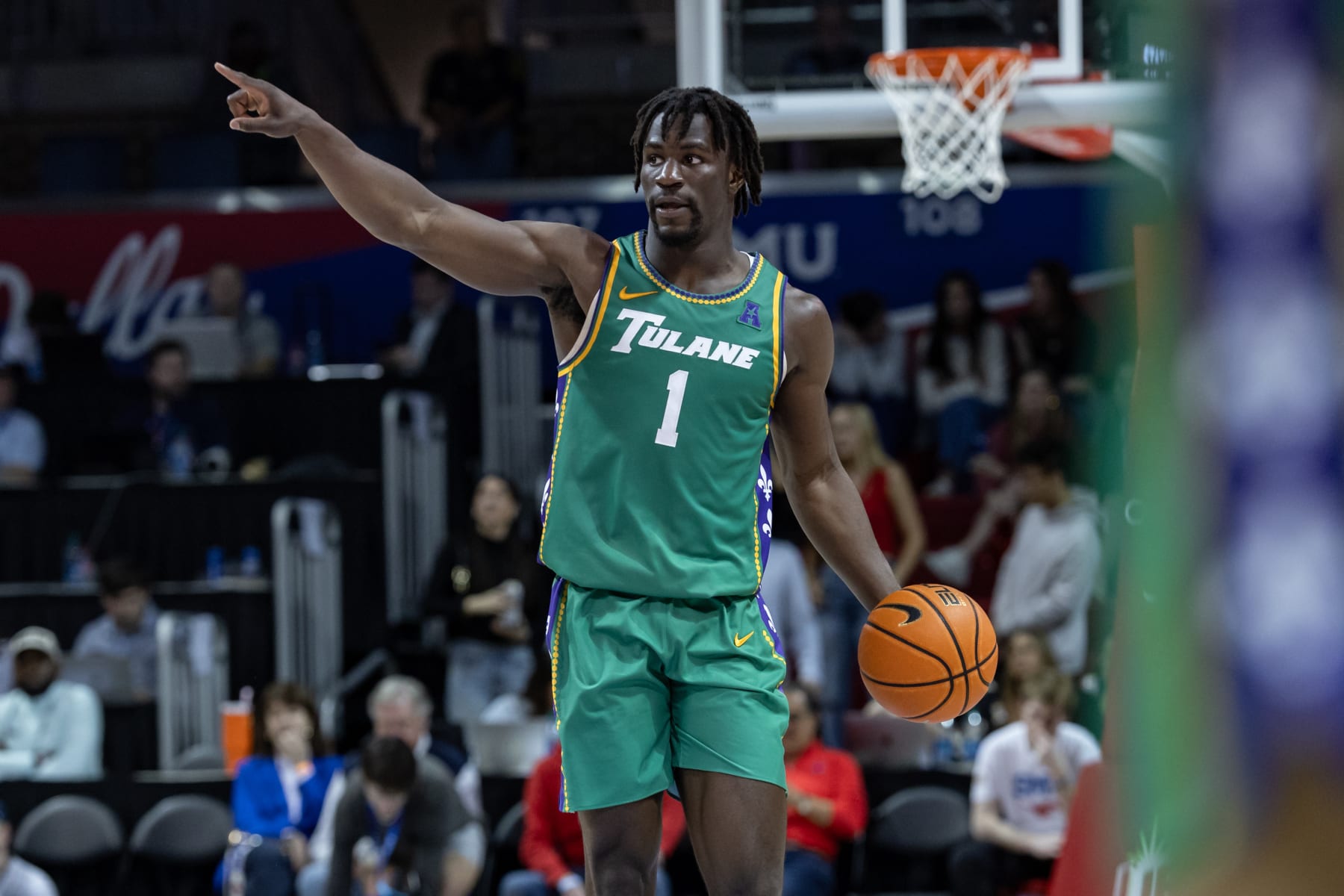
Tulane offered the full scholarship that no Power Four program did. Head coach Ron Hunter gave James a place to develop at a program with only two players drafted since 2000. That was an opportunity, not an obvious NBA launchpad. Keep those college beginnings in view as the next video plays.
James started 107 of his 114 Tulane games. By his senior season in 2023 to 24, he averaged 14 points, 5.4 rebounds, 2.7 assists and 1.6 steals. The meaningful number here may be 107. That many starts gave him repeated chances to make decisions, absorb mistakes and become more than an athletic prospect.
PVN’s read is that opportunity deserves equal billing with perseverance. James supplied the work, but work needs somewhere to happen. A full scholarship and a sustained role gave his development an actual home. Turning his rise into nothing but a lesson about effort would erase what Tulane put behind that effort.
Black athletes should not have to become model citizens to make a scouting miss worth examining.
For the recruiting business, his path exposes the difference between evaluating present polish and predicting future value. James’ own assessment leaves room for an honest scouting judgment. His NBA arrival also leaves room to question how confidently those judgments get treated. A recruiting rating should describe a prospect, not become his ceiling.
The racial dimension calls for care, not a manufactured accusation against unnamed scouts. This reporting does not establish racial bias in James’ recruitment. Still, Black readers can celebrate his grades and service without accepting moral perfection as an admission price. Black athletes should not have to become model citizens to make a scouting miss worth examining.
That distinction matters because James has real leadership credentials. He became the first player to win the American Conference’s Sportsmanship Award twice and chaired its Student Athlete Advisory Committee twice. Those achievements deserve recognition on their own terms. They should not become extra requirements imposed on the next Black teenager seeking a scholarship.
The community lesson is different from the industry lesson. Lanier can honor an NBA player without teaching every child that professional basketball is the only meaningful destination. James’ academic record and campus leadership offer other measures of achievement. A ceremony loses something if the jersey makes every accomplishment beneath it disappear.
There is also a money story here, even without a contract figure. Tulane’s full scholarship was a concrete investment before the NBA became a realistic possibility for James. He told Andscape that possibility began to feel real after his junior season. Development came before certainty. The school committed resources before anyone could promise a professional return.
That order matters. Fans often discuss prospects as though future earnings are already sitting in an account. James’ route offers no basis for that confidence. His scholarship provided an opportunity to build a career, not a guarantee of one. The distinction keeps the business discussion grounded in what a young player actually receives.
Athlete agency connects this story to the question behind PVN’s Anthony Edwards coverage about who sets his return. The circumstances differ, but authority remains worth examining. Who gets to define readiness, and how much room does the athlete have to challenge that judgment through his own development?
The pressure to be exceptional also echoes the question posed by PVN’s Taraji P. Henson coverage: Who gets to be strong? James can inspire children without becoming a walking instruction manual. Celebrating his discipline should leave room for the uncertainty he openly acknowledged about his game.
His gratitude sounds more specific than the usual speech about proving people wrong. “The biggest thing is I just want to make sure I thank all my friends and coaches and everybody that put me in this position,” James told Andscape. He named a circle of support rather than casting himself as a solo success.
Advertisement
That is the part worth carrying into the ceremony. James once attended Lanier camps as a child and looked at its varsity players like celebrities. Now his No. 1 is scheduled to hang above another generation. Watch whether the lesson becomes a demand that children beat the odds, or a challenge to adults to give more children room to grow.
More from PowerVault Network: