Angel Reese Snubbed for the WNBA All-Star Game: What It Means for Black Athletes in Sports
By Jasmine Reed, PowerVault Staff The atmosphere was electric in the WNBA this past week, a palpable tension that swelled just beneath the surface of the game. Fans flocked to arenas, not just to witness the artistry...
Advertisement

By Jasmine Reed, PowerVault Staff
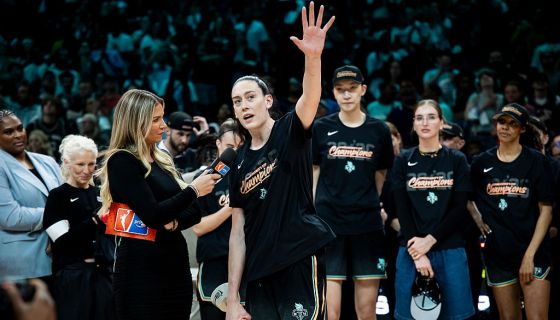
The atmosphere was electric in the WNBA this past week, a palpable tension that swelled just beneath the surface of the game. Fans flocked to arenas, not just to witness the artistry of basketball, but to engage in a larger conversation about identity, power, and representation. The New York Liberty lifted yet another trophy, their prowess increasingly undeniable, while the Valkyries proved they aren’t a one-week wonder. Yet amidst the celebration, the dark cloud of an All-Star snub loomed large over Angel Reese. For a player whose talent and marketability are evident, the oversight raises questions that reverberate beyond the hardwood.
The WNBA is a league built on the backs of Black women who dominate the game. The Liberty’s trophy signifies not only success for the franchise but also a cultural shift toward visibility for women’s sports, particularly in a season when the spotlight has often felt unbalanced compared to its male counterparts. The emergence of teams like the Aces and the Liberty is more than just a story about wins, it’s a narrative that showcases progress and evolution within a space that has historically been overlooked. Yet, this progress is not without its inherent tensions, especially when it comes to the treatment of Black athletes.
Angel Reese, the star who captivated audiences not just with her performance but with her unapologetic authenticity, is the embodiment of what it means to challenge the status quo. Her snub for the All-Star Game, despite her impressive stats and undeniable fan support, poses a critical question: what does it truly mean to shine in a league where the power dynamics are still being negotiated? The broader implications of this oversight are not just personal; they resonate with the collective struggle of Black athletes striving for recognition in a predominantly white sports industry.
Reese’s absence in the All-Star Game serves as a stark reminder of the systemic issues that affect Black athletes. While her peers are celebrated, the question arises: are we fully ready to embrace Black excellence? The whispers of contract negotiations, endorsements, and the politics of representation echo louder when athletes like Reese are sidelined. It’s not merely about points and assists; it’s about whose narratives are deemed valuable enough to be amplified in the mainstream.
Moreover, the Liberty’s recent success has not come without its own political undercurrents. The franchise has positioned itself as a powerhouse, but in doing so, it must navigate the complexities of privilege and race in sports. The rise of the Liberty juxtaposes against teams that are struggling, like the Dream, who are still finding their footing in a league that can be unforgiving. While the Liberty celebrates its victories, the league’s structure can create disparities that affect how talent is recognized and rewarded.
What emerges from this week’s events is not just a focus on wins and losses but a larger dialogue about equity in sports. The WNBA has made strides in promoting its athletes, but the reality remains that the conversation about race, gender, and pay equity is ongoing. As the league pushes for growth both on and off the court, it’s imperative to ensure that all voices are heard and celebrated equally. The league's success should not just include the Liberty hoisting trophies; it should also ensure that rising stars like Reese are given their due.
This moment in the WNBA serves as a microcosm of broader societal issues regarding representation and the systemic biases that persist in sports. The snubbing of a player like Reese isn’t just an oversight; it’s indicative of the larger challenges facing Black athletes. It compels fans and advocates to question who is visible in the sports narrative and, more importantly, who gets written out. This isn’t merely about an All-Star nod; it’s about the very fabric of how sports culture often fails to uplift Black talent.
The social dynamics at play also extend to how athletes navigate their identities amidst these pressures. Black athletes continue to face challenges that their white counterparts may never encounter, from microaggressions to blatant biases that can determine their careers. Reese’s experience is a reminder that the fight for equity in sports is ongoing, and the collective efforts for change must remain steadfast. The visibility of Black women in sports is essential, yet it must also translate into meaningful representation where their contributions are celebrated, not sidelined.
Advertisement
As fans, it’s crucial to interrogate the narratives presented to us and challenge the status quo. The WNBA continues to evolve, and there are signs of hope for a more inclusive future. The league must recognize that the stories of its Black athletes are part of its core identity. It’s not just about the games played but about how those games reflect our society’s values and aspirations.
Looking forward, the conversation must expand beyond mere statistics and accolades. As the league navigates its future, watch for how it handles athlete representation, especially for stars like Reese. Will the WNBA rise to the occasion and champion its players’ narratives? Will it confront the systemic issues that affect the recognition of its Black athletes? The answers to these questions may shape the league’s trajectory and define what it means to be a league of the people, for the people.