Atlanta Shuttle Program Sparks Local Concerns
By DeShawn Price, PowerVault Staff Atlanta's Hope Shuttle has taken the city by storm, ferrying displaced individuals from the Hartsfield-Jackson airport to Metropolitan Parkway, sparking concerns among locals about t...
Advertisement

By DeShawn Price, PowerVault Staff
Atlanta's Hope Shuttle has taken the city by storm, ferrying displaced individuals from the Hartsfield-Jackson airport to Metropolitan Parkway, sparking concerns among locals about the handling of the city's vulnerable communities. The initiative, introduced with little fanfare, has become a hot topic for its potential side effects on the community it claims to serve. Rather than addressing the root causes of homelessness, this shuttle service appears to be a temporary fix, moving people from one location to another without offering any real support. Residents near Metropolitan Parkway are witnessing the fallout firsthand, observing the nightly influx of individuals who are often left without the necessary resources or assistance they need to improve their situation. This has turned the Hope Shuttle into a symbol of the city's struggle to effectively manage homelessness and its related challenges, raising important questions about the efficacy and intent behind such initiatives.
The shuttle program, reportedly introduced around the time of the World Cup, has now become a nightly occurrence, almost like clockwork, with busloads of people being dropped off near a local Kroger. Observers and residents alike have noted the regularity and volume of these drop-offs, which have become an integral part of the neighborhood's late-night scene. The airport initially described the program as a partnership with MARTA, Atlanta's primary public transit authority, lending the initiative an air of legitimacy and collaboration. However, MARTA has since clarified to WSB-TV that they are not involved, contradicting the airport's claims and leaving the public puzzled about who is truly behind this operation. This glaring discrepancy in official narratives has raised eyebrows and fueled skepticism, casting doubt on the transparency and responsibility of those managing the program. People are left wondering who is accountable for the welfare of those being transported and how this initiative fits into broader city policies on homelessness.
Reports indicate that the Hope Shuttle operates between 1:30 and 2 a.m. Each morning, offering transportation to individuals removed from MARTA trains at the airport. However, as the details of this initiative come to light, its practicalities have come under significant scrutiny. The late-night timing alone puts a spotlight on the safety and convenience of those being shuttled to unfamiliar areas in the dead of night. While some individuals are reportedly causing disturbances upon arrival, this behavior is often a manifestation of deeper issues, such as the lack of immediate access to shelter, food, or medical care. The shuttle service, in its current form, doesn't provide these essential resources, leaving individuals at a disadvantage and exacerbating their already precarious situation. This approach highlights a failure to consider the holistic needs of the displaced, pointing to a gap between the initiative's intentions and the tangible support required.
The viewer who recorded the drop-offs shared serious concerns about the safety and apparent lack of support for those being shuttled. As someone who works near the drop-off location, she has witnessed firsthand the distressing conditions many face upon arrival. She noted that some individuals are cold, hungry, and in visible distress, which only exacerbates an already challenging situation. The video evidence, handed over to Channel 2, paints a complicated picture of a program that seems to displace rather than assist. This footage doesn't just show people arriving; it captures the raw reality of unmet needs and the emotional toll of being uprooted without a clear path forward. Her observations reflect a broader concern about the program's capacity to address the immediate and long-term needs of those it transports, shining a light on the urgent need for more comprehensive solutions.
The airport's claim that this is a collaborative effort with local police suggests an intent to maintain order and perhaps even provide some level of security during the transport process. However, the glaring lack of involvement from MARTA, a key player in Atlanta's public transit network, raises significant questions about accountability and the true nature of this initiative. Without MARTA's participation, the program appears to operate in a grey area, teetering precariously between public service and public relations. It suggests a strategy that prioritizes optics over substantive solutions, offering a temporary measure that doesn't address the root causes of homelessness. This disconnect between the initiative's stated purpose and its execution undermines trust in public institutions, highlighting the need for more transparent communication and coordinated efforts in tackling such complex social issues.
This isn't the first time Atlanta has grappled with the challenges of homelessness and displacement. Over the years, the city has rolled out various initiatives, ranging from efforts to increase affordable housing to the enforcement of stricter vagrancy laws. These approaches are reminiscent of similar strategies employed by other major cities, like Los Angeles in 2019 when they attempted to clear encampments, or New York's 2020 subway outreach program aimed at moving homeless individuals off trains. Despite these efforts, the results often fall short of expectations, underscoring the complexity of urban homelessness. Each initiative, while perhaps well-intentioned, tends to address symptoms rather than the systemic issues at play. This pattern reveals a broader struggle within urban policy-making: finding a balance between immediate action and the development of long-term, sustainable solutions that do more than merely relocate the problem.
The thing is, shuttling people from one location to another doesn't solve the problem.
This so-called solution feels more like a Band-Aid on a wound, temporarily covering a systemic issue that needs surgery.
This so-called solution feels more like a Band-Aid on a wound, temporarily covering a systemic issue that needs surgery. It reflects a broader trend of cities opting for quick fixes over sustainable solutions, driven by optics rather than outcomes. For a city like Atlanta, with its rich history of civil rights activism and a reputation for being at the forefront of social justice initiatives, the Hope Shuttle feels like a step backward. It's a glaring reminder that without addressing the underlying causes of homelessness, such as poverty, lack of affordable housing, and inadequate mental health services, these efforts are destined to fail. The city once known for its progressive approach to civil rights now finds itself at a crossroads, needing to decide whether it will continue to apply temporary patches or commit to meaningful, transformative change. The Hope Shuttle serves as a litmus test for Atlanta's willingness to confront these issues head-on and reclaim its legacy of impactful activism.
For the officials involved, the initiative might have been a well-intentioned attempt to manage a challenging situation. But when a plan lacks coordination and clear outcomes, it risks becoming a PR stunt rather than a genuine solution. The absence of MARTA's involvement, despite initial claims of collaboration, suggests a rushed strategy that may not have been fully thought through. This lack of cohesion and transparency can potentially undermine public trust in the institutions responsible for tackling Atlanta's homelessness crisis. The disconnect between the program's intentions and its execution highlights the need for comprehensive planning and community engagement. Without these elements, initiatives like the Hope Shuttle are unlikely to achieve their goals, serving instead as temporary measures that do little to address the long-term needs of those they are meant to help.
For our community, this situation is a stark reminder of the systemic neglect often faced by marginalized groups. It's a call to action to demand better from our leaders and to offer solutions that uplift rather than relocate. The group chat's buzzing about this, and rightly so, this touches on issues of race, class, and urban policy that extend far beyond a single shuttle service. The Hope Shuttle is a microcosm of larger societal challenges, illustrating how marginalized communities are frequently left to handle the consequences of poorly designed policies. This is about more than just transportation; it's about ensuring that solutions are equitable and inclusive, recognizing the unique challenges and strengths of our community. It's time to push for policies that respect the dignity of all individuals and create pathways to stability and opportunity.
Advertisement
The racial and class dynamics at play cannot be ignored. The operation of the Hope Shuttle near a predominantly Black neighborhood raises serious questions about racial equity in city planning. Historically, communities of color have borne the brunt of urban displacement, and this pattern seems to be repeating itself here. The use of this neighborhood as a drop-off point reflects broader systemic issues in urban planning and policy-making, where the needs and voices of marginalized communities are often overlooked or disregarded. This is more than about geography; it's about the socio-economic realities that underpin these decisions and the historical context that has shaped them. The continued marginalization of Black communities in this way is unacceptable, and it's crucial for city leaders to address these inequities head-on, ensuring that future policies are informed by the principles of justice and equity.
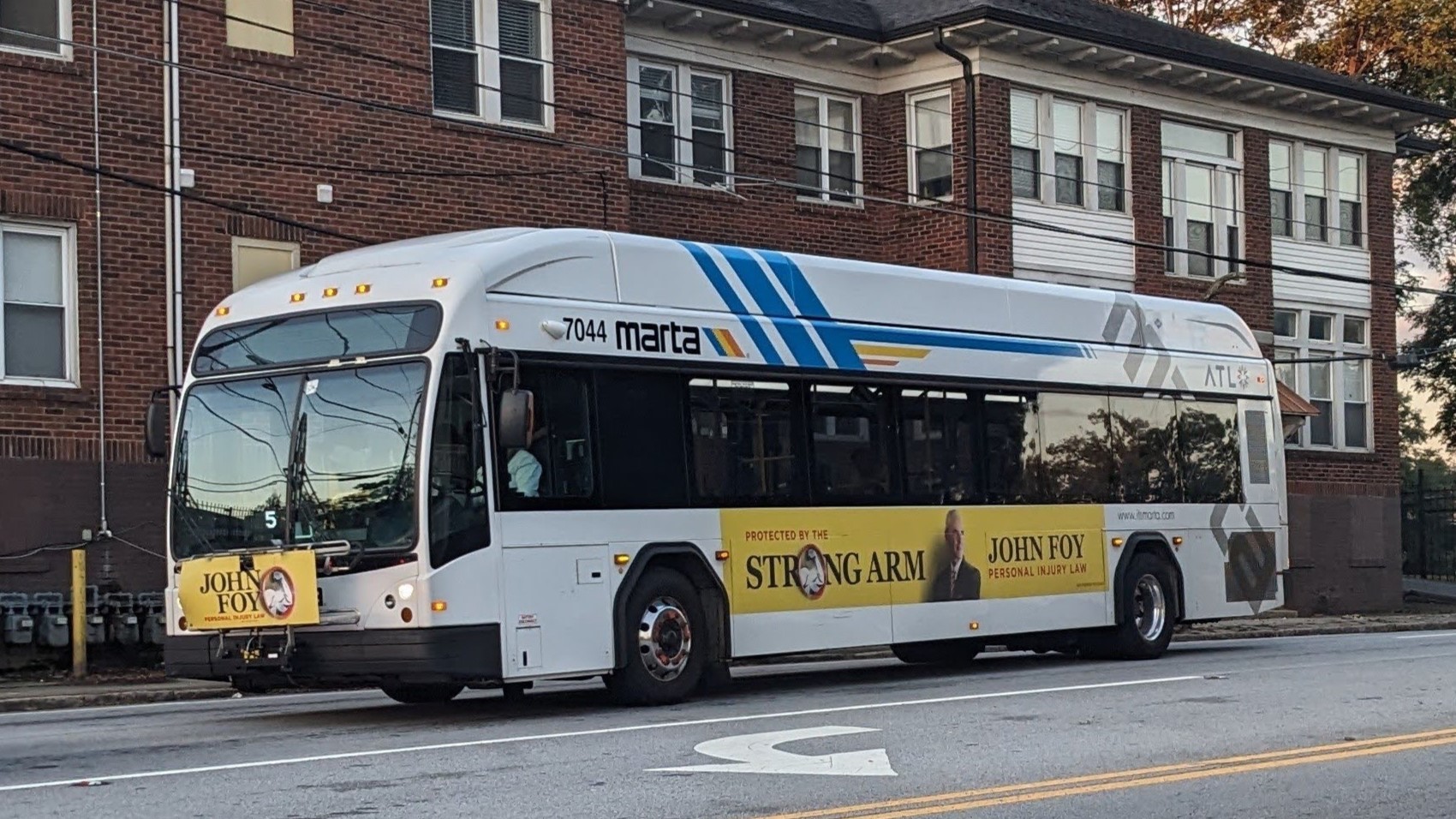
Photo: ElToAn123 / Wikimedia Commons, CC BY-SA 4.0