Mississippi Police Station Fire: A Spark from Justice or Rage?
By DeShawn Price, PowerVault Staff The Senatobia Police Department, already embroiled in controversy after the tragic and fatal shooting of 1-year-old Kohen Wiley, now faces yet another significant test as their stati...
Advertisement

By DeShawn Price, PowerVault Staff
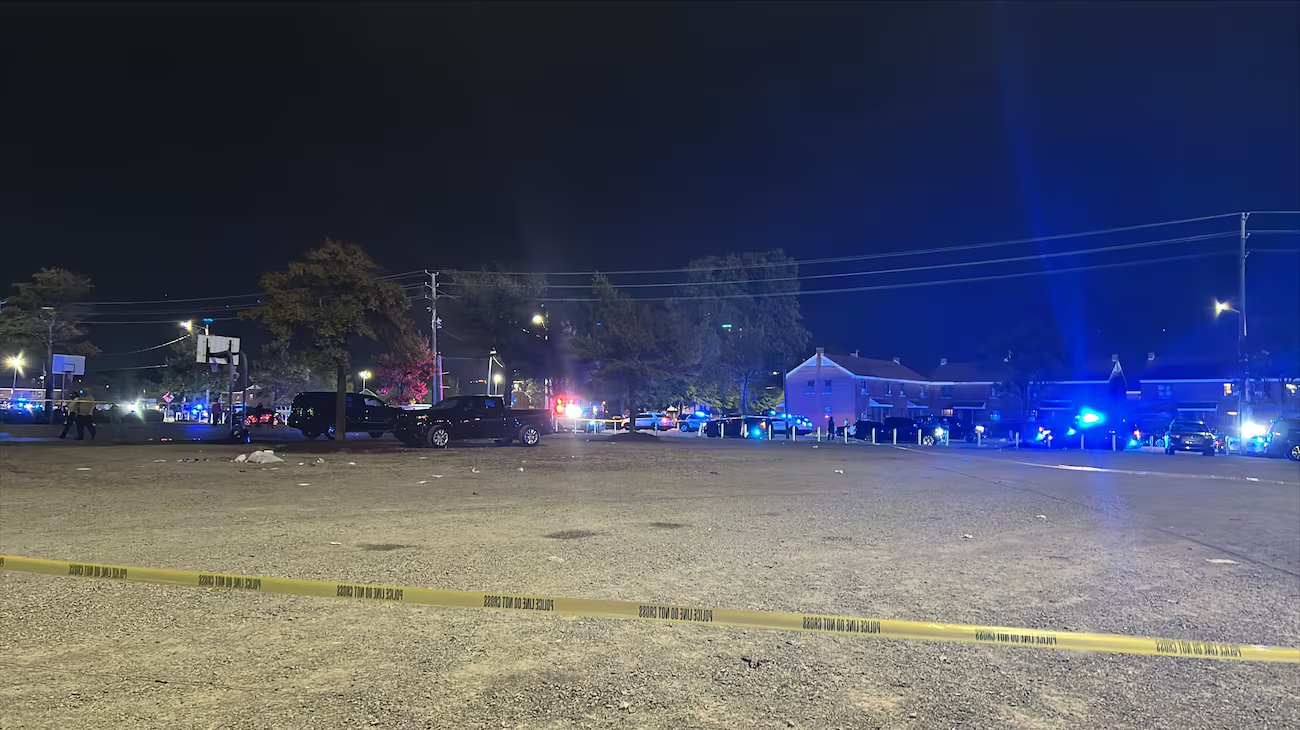
The Senatobia Police Department, already embroiled in controversy after the tragic and fatal shooting of 1-year-old Kohen Wiley, now faces yet another significant test as their station was engulfed in flames on October 31. Firefighters responded swiftly, managing to extinguish the blaze before it could cause extensive damage. However, the symbolic weight of the act remains heavy in the community. This fire represents more than just an attack on a building; it is an incendiary manifestation of the unresolved tensions and deep-seated grievances that have plagued this Mississippi town. The timing of the incident, coming just before what would have been Kohen's second birthday, adds an emotional layer that shows the community's ongoing struggle for justice and accountability.
The blaze adds another intense layer of scrutiny to a police department already under immense pressure, both literally and figuratively. In June, the tragic shooting at the local Walmart involving Sgt. Hunter Foster left the community deeply shattered and searching for answers. Despite the Mississippi Attorney General’s Office clearing Foster of any criminal wrongdoing, the community’s anger and dissatisfaction have not subsided. The comprehensive report by WREG highlights the ongoing tension and mistrust as the U.S. Bureau of Alcohol, Tobacco, Firearms and Explosives (ATF) spearheads an arson investigation. This fire has become a focal point for collective grief and outrage, symbolizing the community's demand for transparency and accountability from those sworn to protect and serve.
Investigators have turned their attention to a suspect apprehended in Huntsville, Alabama, yet details about any charges remain shrouded in uncertainty. This fire could very well be a visceral manifestation of the anger and grief that have been simmering since the AG’s ruling, a decision that failed to hold Sgt. Foster accountable in the eyes of Kohen’s family and many community members. For the grieving family, resignation isn't enough; they are calling for Foster's decertification to ensure he can no longer serve as an officer. This demand reflects a broader desire for systemic change and accountability, underscoring the community’s frustration with a justice system that frequently leaves them feeling marginalized and unheard.
The video that emerged from the chaotic scene at Walmart reveals the dramatic escalation that occurred before the tragic shooting. Officers initially responded to a call described as a 'pervert' complaint, but the situation quickly spiraled out of control when they attempted to intercept a car carrying Kohen, his mother, and his great-aunt. In a frantic attempt to flee, the vehicle collided with a deputy and a parked car, prompting officers to fire their weapons. The footage captures a moment of high tension and confusion, raising critical questions about the protocols followed and the decisions made by the officers involved. This incident has become a focal point for examining the complexities and challenges of law enforcement interactions with the public.
The devastating aftermath of those shots left young Kohen lifeless, his mother and great-aunt injured, and a community grappling with profound questions about the integrity and accountability of their police force. Despite the Mississippi Attorney General clearing Sgt. Foster of criminal charges, the family, represented by the prominent attorney Benjamin Crump, continues to seek justice for Kohen. Their unwavering pursuit of accountability highlights the deep-seated mistrust and dissatisfaction within the community. The fire at the police station adds another contentious chapter to this already tragic saga, amplifying the calls for justice and reform in a system that many feel has repeatedly failed them.
The tragic events in Senatobia are not isolated; they are part of a larger, troubling pattern where police accountability is repeatedly questioned following incidents involving Black victims. The shooting of Tamir Rice in Cleveland in 2014 and the killing of Philando Castile in 2016 stand as stark reminders of a systemic failure that often leaves communities of color without justice or closure. These patterns of violence against Black individuals by law enforcement persist, frequently with little to no accountability for those responsible. The repeated cycle of tragedy and exoneration in these cases shows the urgent need for comprehensive reforms to address the deeply entrenched issues within policing and the justice system.
This arson is not an isolated act of vandalism; it is a symptom of a deeply rooted mistrust in the system meant to protect and serve.
This fire isn't just a crime scene; it's a burning testament to the community's unresolved anguish and distrust.
For many in Senatobia, the fire at the police station isn't merely an act of rebellion; it represents a loud and desperate cry for recognition and justice from a community that feels repeatedly marginalized and ignored. Across America, similar narratives unfold as law enforcement actions disproportionately impact Black families, leaving them grieving, angry, and often without recourse. The justice system, in their eyes, frequently offers little solace or resolution. This incident in Senatobia shows the distressing disconnect between police agencies and the communities they are meant to serve, highlighting the urgent need for meaningful dialogue, reform, and a commitment to rebuilding trust and accountability within these communities.
The institutional reluctance to reform policing practices continues to deeply erode trust among community members. They see officers shielded by policies that not only protect but seemingly endorse the use of excessive force without any real accountability. The resignation of Sgt. Foster, while a step in the right direction, falls far short of the justice Kohen Wiley's family and the community at large deserve. Without systemic changes and mechanisms that hold officers accountable for their actions, peace and trust will remain elusive. This ongoing struggle for justice speaks to a broader demand for reform and transparency in policing, which is essential for restoring faith in a system that has long been seen as failing its most vulnerable communities.
For those observing from outside, the fire at the Senatobia police station might be dismissed as just another crime. But for the people living here, it is a stark reflection of their lived realities and ongoing struggles. The unjustified killing of Kohen Wiley, followed by the subsequent exoneration of the officer involved, is a distressingly familiar script for Black communities across the nation, who are weary of waiting for justice that seems perpetually out of reach. This incident encapsulates the frustration and despair of a community that feels repeatedly let down by a justice system that promises protection but often delivers little more than disappointment and pain.
This story is not solely about race, although race permeates every aspect of it. It is fundamentally about power, accountability, and the systemic failures that allow tragedies like Kohen's death to occur again and again. When power structures protect their own at the expense of justice, communities are left to fend for themselves, often resorting to actions that challenge the very systems that marginalize them. These dynamics create an environment where desperation breeds acts of defiance, forcing us to confront the uncomfortable truths about the inequities and injustices that persist within our society. The need for systemic change is urgent and undeniable, as is the call for accountability and reform.
Advertisement
As investigations into the Senatobia fire continue, the community is left grappling with the uncertainty of what comes next. Will the suspect in custody face justice, and will the fire serve as a catalyst for meaningful change, or will it become just another chapter in a long history of disenfranchisement and disappointment? The story does not end here, and neither should our attention. It is imperative that we remain vigilant, demanding accountability and reform, while supporting communities like Senatobia in their ongoing struggle for justice and recognition. The path forward may be uncertain, but the resolve of those seeking change is unwavering, and their voices must be heard.
More from PowerVault Network: