Deshawndre Brown Faces 45 Years for AMC Theater Fatal Shooting
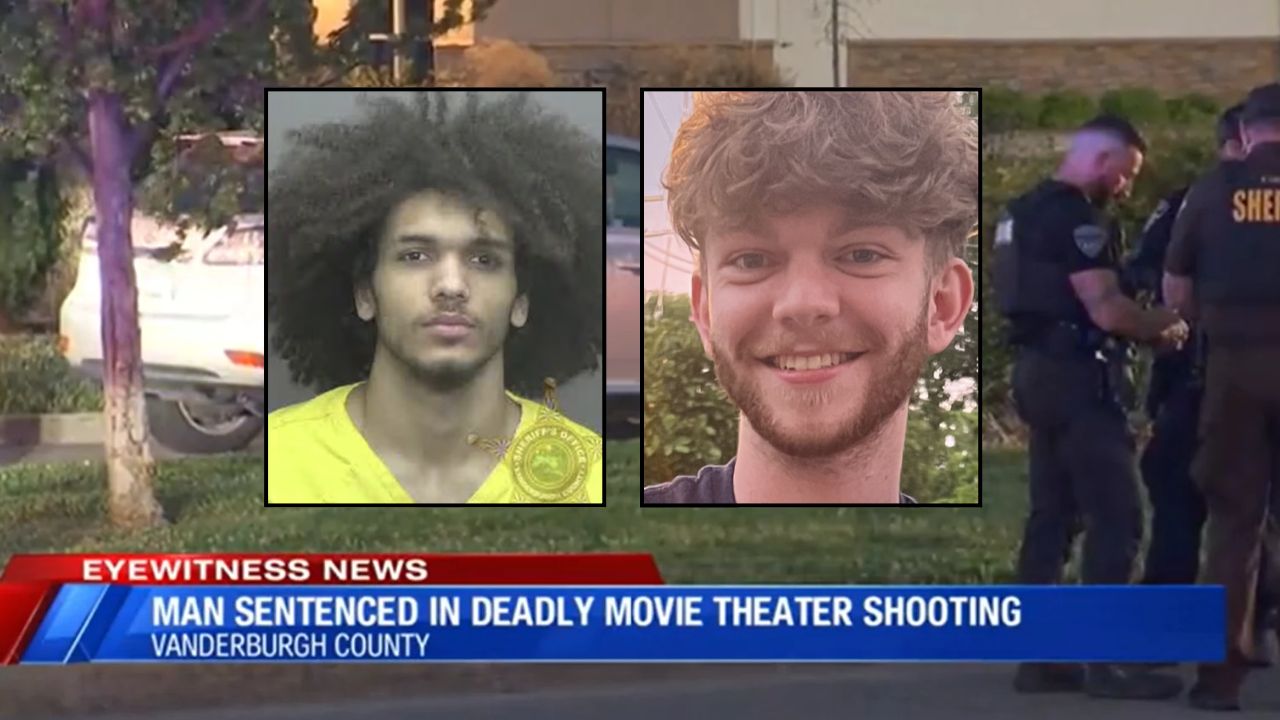
By Marcus Ellison, PowerVault Staff Deshawndre Brown, at just 19 years old, has been sentenced to a significant 45 years in prison for the murder of 23-year-old Ethan Stenftenagel. This case shows the troubling inters...
Advertisement

By Marcus Ellison, PowerVault Staff
Deshawndre Brown, at just 19 years old, has been sentenced to a significant 45 years in prison for the murder of 23-year-old Ethan Stenftenagel. This case shows the troubling intersections of youth, crime, and gun violence that plague America today. Brown's sentencing followed his guilty plea to charges of murder and robbery resulting in serious bodily injury. The severity of his sentence reflects not only the consequences of his actions but also the broader societal issues these crimes represent. This young man, barely out of his teens, now faces nearly half a century behind bars, a stark reminder of how quickly a life can veer off course. The justice system, in this instance, has acted decisively, yet the broader questions about prevention and intervention in youth crime remain distressingly pertinent.
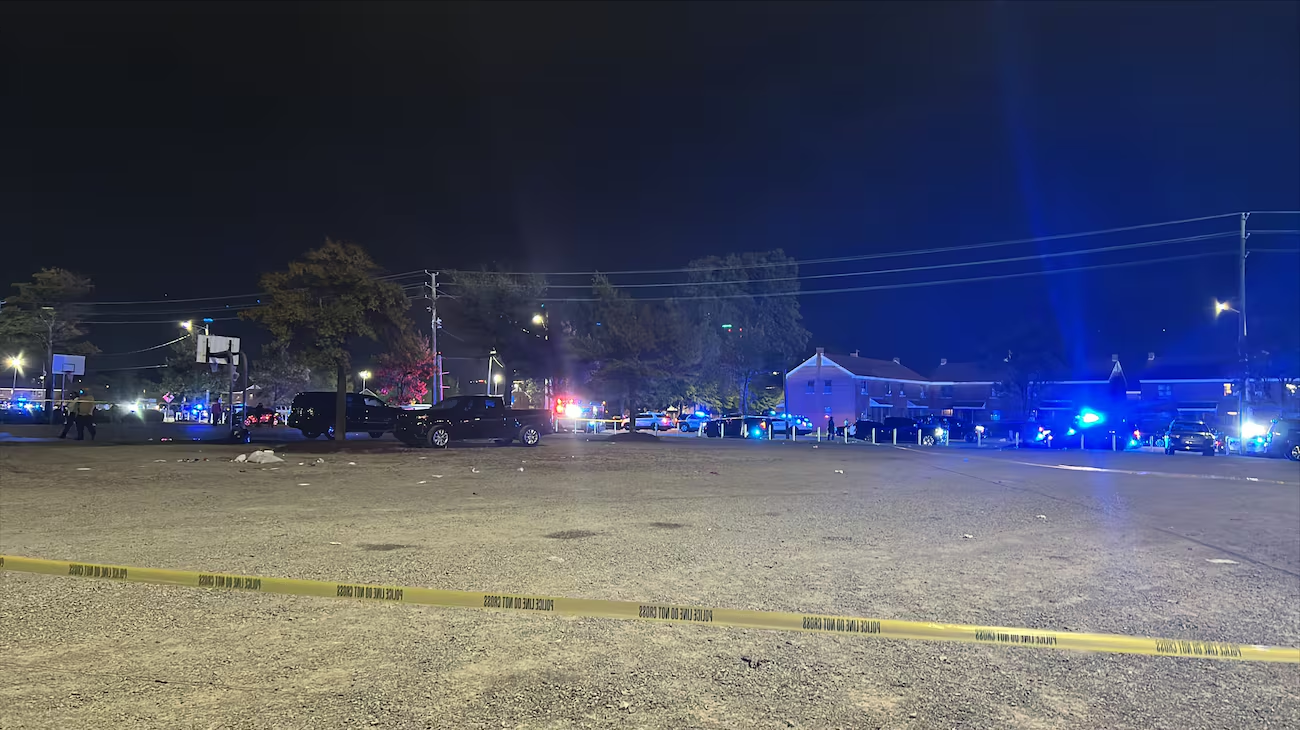
The tragic events of April 14 unfolded dramatically outside an AMC movie theater in Evansville, Indiana. What began as a seemingly minor dispute over vapes quickly escalated into a confrontation with catastrophic consequences. Local news outlet WEHT reported that the altercation culminated in the fatal shooting of Ethan Stenftenagel, whose body was later discovered inside a Dodge Durango that had come to rest at the bottom of a wooded embankment. This scene of violence shows the unpredictable nature of conflicts involving young individuals and the lethal potential when firearms are at play. Deshawndre Brown, along with Pierce Butler, 18, and Kardae Langley, whose age remains undisclosed, fled the scene, leaving behind chaos and a community in shock. The swift departure of these young men speaks to the panic and fear that often follow such violent incidents.
Authorities responded with remarkable speed in the aftermath of the shooting. Kardae Langley was apprehended the same night, demonstrating the effectiveness of coordinated law enforcement efforts. Deshawndre Brown was tracked down the following day to a hotel in St. Louis, Missouri, indicating a swift multi-state effort to bring the accused to justice. Pierce Butler, meanwhile, was discovered and taken into custody within 24 hours in a nearby residence, underscoring the urgency with which authorities pursued the suspects. The efficient apprehension of these individuals highlights the capacity of law enforcement to act decisively in the face of violent crime. As events unfolded, the scene was chaotic, captured vividly in a video that reveals the immediate aftermath of the violence, a community grappling with the sudden and tragic loss.
During the sentencing, the courtroom was permeated with the palpable grief of Ethan's family, with Hope Davis, his fiancée, voicing a lament that echoed through the proceedings. Her poignant words conveyed a deep sense of loss and the daunting future her children now face without their father. She articulated a sentiment that resonated with everyone present: "He did not have to be perfect and deserve to live." This statement served as a reminder of the unconditional love and the irreplaceable role Ethan played in their lives. Greg Davis, Hope’s father, did not hold back his criticism of Brown's decision to attend the sentencing remotely. He characterized it as an act of 'cowardice,' highlighting a perceived lack of accountability and remorse from Brown. This absence left the family feeling further aggrieved, as they sought closure and a sense of justice in the face of their profound loss.
The court's decision to sentence Brown to 45 years for murder and 16 years for robbery, to be served concurrently, reflects the gravity of his crimes and the legal system's attempt to balance justice with the realities of plea deals. In exchange for his guilty plea, additional charges of murder and armed robbery were dismissed, a common practice aimed at securing a definite conviction while managing court resources. Meanwhile, the legal proceedings against Butler and Langley continue, with their upcoming court dates signaling the ongoing pursuit of justice. These continued cases serve as a reminder of the complexities involved in prosecuting multiple defendants in violent crimes. As the legal system grinds on, the community watches closely, hoping for outcomes that will bring some measure of closure and justice for Ethan's family.
This incident is a grim reflection of the pervasive gun violence that continues to plague the United States, drawing parallels to other heart-wrenching tragedies such as the 2026 case of Cobee Cooks. Each of these cases highlights not only the personal loss suffered by families but also systemic failures that allow such violence to persist. The pattern is distressingly clear: young lives, often marked by potential and promise, are diverted towards paths of violence and crime, frequently culminating in death or lengthy incarceration. These outcomes serve as stark reminders of the urgent need for societal changes that address the root causes of violence. The cycle of gun violence is relentless, tearing apart communities and leaving behind a trail of grief and unanswered questions.
This case is a distressing yet common narrative.
The courtroom should be a space of confrontation, not avoidance.
A particularly striking aspect of this case is Brown's decision to avoid facing the family of his victim in person. Such avoidance can be perceived as an attempt to distance oneself from the immediate emotional and moral consequences of one's actions. The courtroom is traditionally a space where offenders confront the impact of their crimes directly, offering an opportunity for accountability and, potentially, remorse. By choosing to appear via video, Brown deprived the family of the chance to express their grief and anger directly to him, an important aspect of the justice process for many victims' families. Justice is not solely about the imposition of a sentence; it is about acknowledging the suffering caused and taking responsibility for one's actions. True accountability requires this confrontation, which is essential for the healing process of those left behind.
The role of the justice system should extend beyond mere retribution. It must encompass elements of reconstruction and rehabilitation, aiming to address and mitigate the root causes of crime. Cases like Brown's raise critical questions about whether the current legal process effectively prevents future crimes or merely punishes individuals without addressing underlying issues. The focus should be on creating systems that not only penalize but also provide pathways for reform and reintegration into society. This requires a layered approach, including policy reforms, community engagement, and targeted interventions that address the socio-economic factors contributing to criminal behavior. The evolution of the legal system is crucial to effectively tackle these persistent issues and to prevent similar tragedies from unfolding in the future.
Every incident of violence carries repercussions that extend far beyond the immediate victim and perpetrator, leaving lasting marks on the community at large. Families and neighborhoods are often left to grapple with the aftermath, facing emotional and sometimes economic fallout. The community's response to such cycles of violence must evolve beyond expressions of outrage and grief. It is imperative to channel collective efforts into actionable measures that encompass comprehensive gun control, effective youth intervention programs, and robust community support systems. By addressing the root causes of violence and providing pathways for youth to engage positively with society, communities can begin to heal and build resilience against future incidents. This requires a concerted effort from policymakers, educators, and citizens alike to foster environments where young people can thrive.
Underlying many of these violent incidents are deeply entrenched issues of race, class, and systemic inequality. Young Black men like Deshawndre Brown often find themselves disproportionately ensnared in cycles of violence and incarceration, reflecting broader societal challenges. These patterns are not coincidental but indicative of systemic disparities in access to quality education, employment opportunities, and community resources. Addressing these disparities requires a concerted effort to dismantle the structural barriers that contribute to such outcomes. It is a call to action for society to recognize and actively work to rectify these inequities. Only by addressing these foundational issues can we hope to reduce the prevalence of such tragedies and provide all young people with the opportunities they deserve.
Advertisement
Looking ahead, the focus must shift towards prevention and healing, seeking solutions that can avert future tragedies. Communities, policymakers, and individuals alike must work together to identify strategies that address the root causes of violence and promote positive development for young people. Transforming the grief and anger stemming from these incidents into constructive dialogue and proactive measures is a formidable challenge. However, it is essential for creating lasting change. By fostering environments that prioritize education, community engagement, and mental health support, we can work towards reducing the frequency of such devastating cases. This requires a sustained commitment to change and the recognition that every effort counts in building safer, more resilient communities.
More from PowerVault Network: