Why Did a Buckeye Police Officer Assault a Pregnant Black Woman? Examining the Systemic Failures Behind the Incident
By Malik Carter, PowerVault Staff In the dimly lit corridors of the Buckeye Police Department in Arizona, a nightmare unfolded. The scene echoes with the sound of a woman’s sobs, pregnant and handcuffed as a law enfor...
By Malik Carter, PowerVault Staff
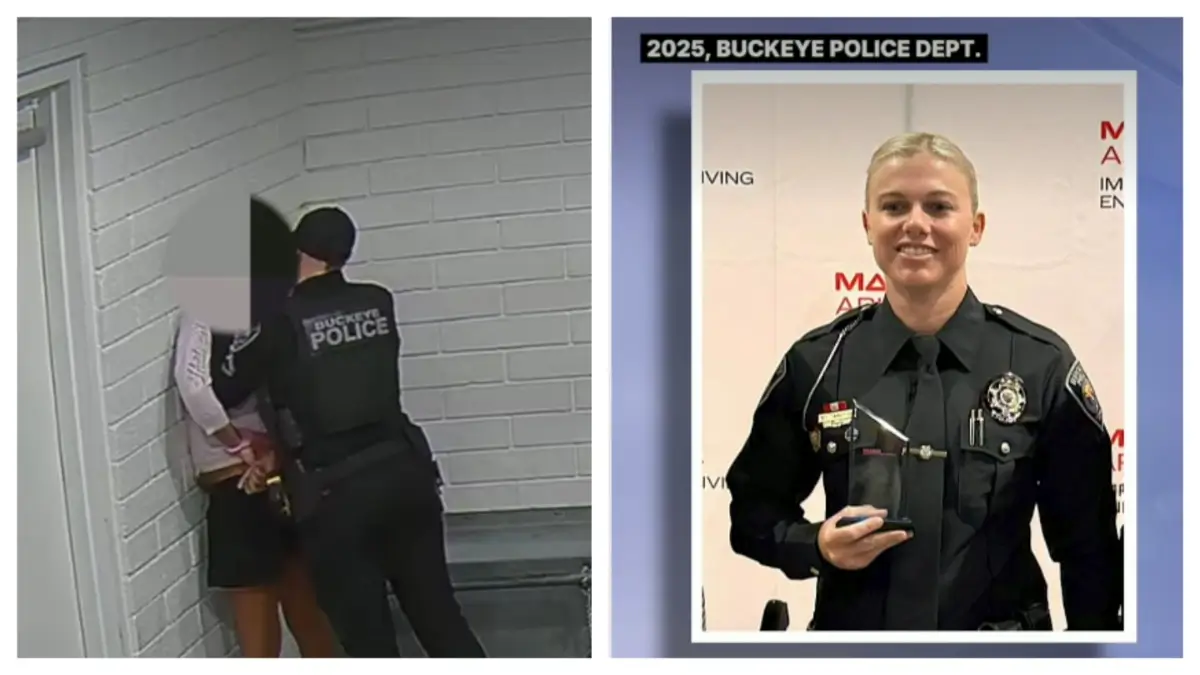
In the dimly lit corridors of the Buckeye Police Department in Arizona, a nightmare unfolded. The scene echoes with the sound of a woman’s sobs, pregnant and handcuffed as a law enforcement officer violently shoved her against the cold, unforgiving walls. This was not the first time her humanity was ignored, nor would it be the last. The assault on this nine-month-pregnant Black woman by former officer Carri Carrico highlights a distressing trend. It is not just an isolated incident; it is a disturbing reflection of systemic issues within our policing and justice systems.
The details are stark and chilling. On a routine traffic stop for reckless driving, a pregnant woman was taken into custody, only to face brutality at the hands of a police officer who was charged to protect. Bodycam footage revealed the depths of Carrico's violence, capturing her hitting, shoving, and mocking the woman with cruel words. The officer’s derisive comments, calling the woman 'gross,' stripped away her dignity, revealing a dark underbelly of aggression masked as authority.
The incident occurred in November 2022, but it has recently resurfaced as Carrico faces charges of aggravated assault. Her plea of not guilty raises questions within the community. How can someone commit such violence and still claim innocence? The reality is that this case shines a light on the culture within many police departments, illuminating the problematic behaviors that often go unchecked. The upcoming trial in November will not only test Carrico’s claims but also the climate of accountability in law enforcement.
To fully grasp the implications of this case, one must consider the broader historical context of police interactions with Black women. For far too long, the narrative has been dominated by the experiences of Black men, while the struggles of Black women often remain sidelined. The intersectionality of race and gender becomes painfully evident here. Pregnant Black women face unique vulnerabilities, yet they are frequently disregarded in discussions of police brutality.
As reports of police violence against Black individuals continue to flood in, the incidents rarely tell the full story. In this case, a woman in her most vulnerable state,carrying a child,was met with hostility instead of compassion. Events like these are not mere aberrations; they are manifestations of a flawed system that conditions officers to react with aggression rather than empathy. The systemic failures of policing are not just about individual actors but about a culture that permits and even encourages misconduct.
A critical question arises: who benefits from this culture of aggression? It certainly isn’t the community that the police are sworn to protect. Instead, it perpetuates a cycle of distrust and fear. In this instance, Carrico’s actions not only put the life of a mother and her unborn child at risk but also damaged the relationship between the police department and the community. The implications extend far beyond individual gain. When officers operate with impunity, they embolden others to follow suit, creating an environment where violence against marginalized individuals becomes normalized.
The legal outcomes that follow incidents like this are equally disheartening. As Carrico prepares for her trial, it is crucial to analyze the role of the justice system in holding law enforcement accountable. In a society where police officers are often exonerated for their actions, the challenge remains: will justice truly be served for the pregnant woman and others like her? The charges against Carrico are significant, yet they also underscore a larger issue within law enforcement,a hesitance to scrutinize the actions of those in uniform.
Moreover, it is relevant to consider how this incident fits into the ongoing national dialogue about police reform. Calls for change have risen significantly in the wake of numerous high-profile cases of police brutality. This moment demands not just a reaction but proactive measures to ensure that such violence is not replicated. Increased training programs, community oversight, and accountability measures are essential to dismantle the systemic issues that permit this type of behavior.
The racial dynamics at play here can’t be ignored. The pregnant woman’s experience is symptomatic of a larger pattern of aggressive policing towards Black individuals. A history laden with oppressive tactics leads to a lack of trust in those meant to serve and protect. As conversations about policing evolve, it becomes imperative to highlight these perspectives. The narrative must shift towards understanding the lived realities of those impacted, particularly Black women who face compounded vulnerabilities.
As awareness continues to grow, so too does the responsibility of the community and local organizations to advocate for change. Community-led initiatives focusing on police accountability are essential in holding officers to a higher standard. The uproar surrounding this incident can serve as a catalyst for reform, sparking critical discussions that challenge the status quo. Too often, these discussions are relegated to the background, overshadowed by mainstream narratives that fail to recognize the complexity of the issues at hand.
Ultimately, the trial of Carri Carrico will be closely watched, not just for the verdict but for what it represents about our judicial system’s commitment to justice. Will it serve as a turning point for the community, highlighting the urgent need for accountability, or will it fall victim to the same systemic failures that have come to characterize so many cases of police violence? The stakes are high, and the outcome will resonate far beyond the courtroom.
This incident serves as a sobering reminder of the ongoing fight for justice and equality. As citizens, the challenge is to stay engaged and informed, to advocate for the rights of the most vulnerable among us, and to hold all institutions accountable. The story of the pregnant woman in Buckeye is not just an isolated case; it is a call to action, urging us to confront the deeply rooted issues that plague our justice system. The world is watching, and the time for change is now.