Deshaun Watson and Shedeur Sanders: The New Faces of Cleveland's Quarterback Legacy
By DeShawn Price, PowerVault Staff The air was thick with tension as the Cleveland Browns faced yet another season marked by uncertainty at quarterback. Picture it: a stadium buzzing with fans, some wearing Deshaun Wa...

By DeShawn Price, PowerVault Staff
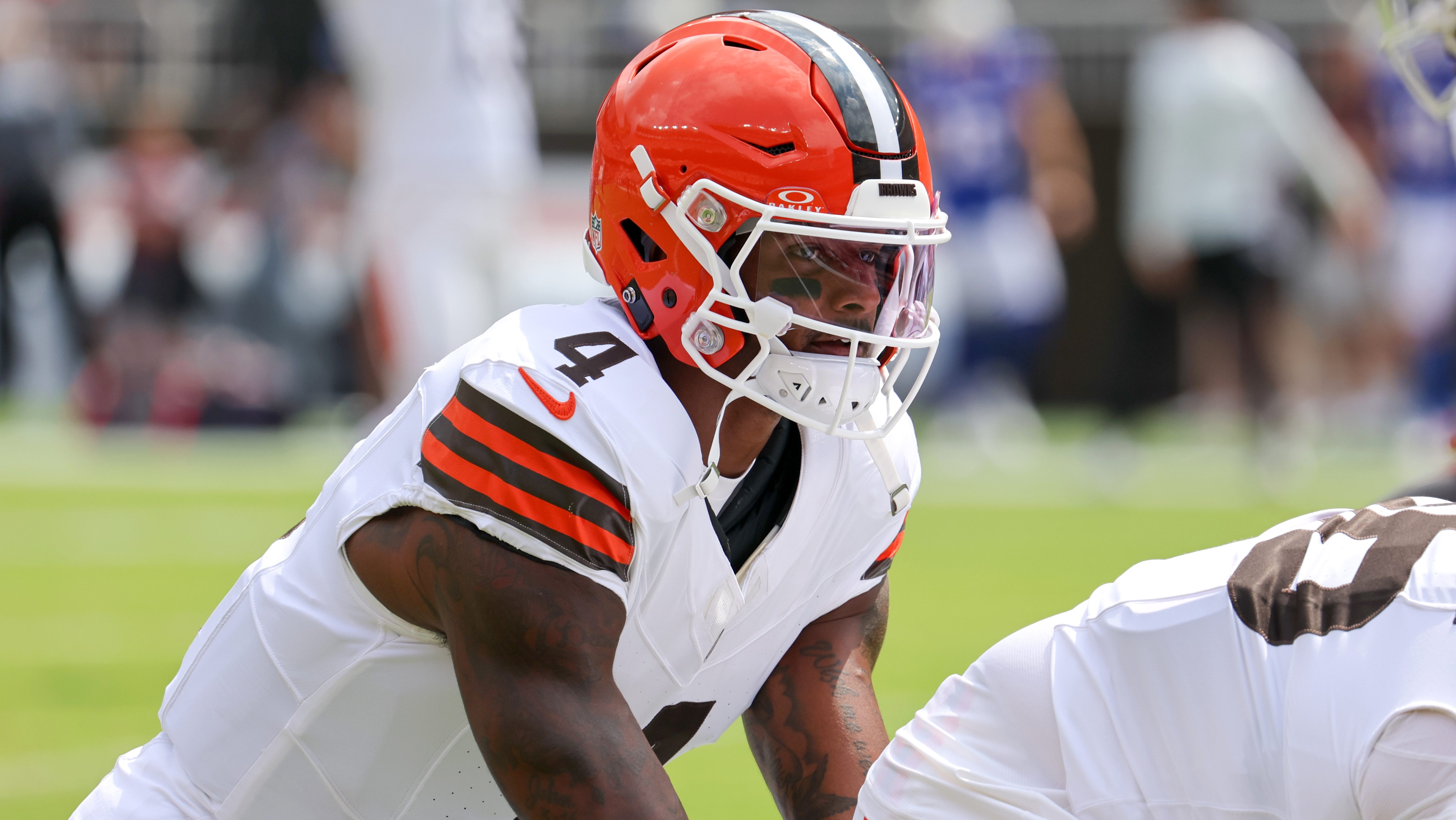
The air was thick with tension as the Cleveland Browns faced yet another season marked by uncertainty at quarterback. Picture it: a stadium buzzing with fans, some wearing Deshaun Watson's jersey, others quietly hopeful that young Shedeur Sanders could be the answer to a long-standing problem. Here stands Watson, a player burdened by the weight of both his past and current expectations, next to Sanders, a promising talent whose ascent has been rapid yet fraught with its own challenges. This dynamic duo in Cleveland isn’t just redefining the quarterback position; they symbolize a significant shift in how Black athletes are viewed in the NFL.
For years, the narrative surrounding Black quarterbacks has been one of struggle and skepticism. Historically, the league has denied Black players the same opportunities afforded to their white counterparts, casting them into roles that seemed designed to highlight their athleticism over their intelligence or leadership. But in recent years, the landscape has begun to change, and the presence of Watson and Sanders is further proof that the game is evolving. Watson, despite the controversies that have surrounded him, is still seen as a crucial asset for the Browns. His high-profile contract, which can reach upwards of $230 million, speaks volumes about a franchise's confidence in him, even if the fanbase remains divided.
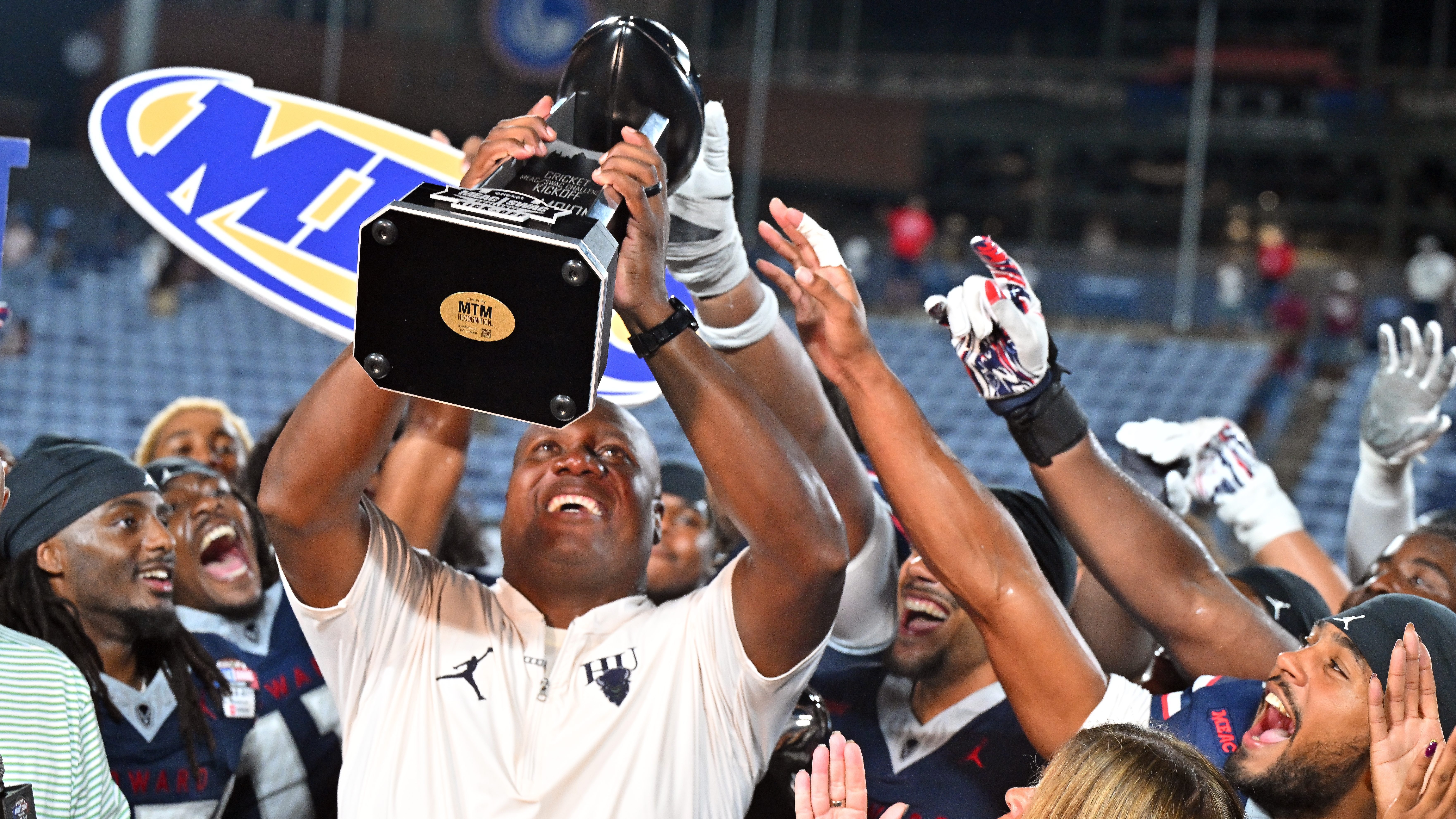
Then there’s Sanders, the son of NFL legend Deion Sanders, who has burst onto the scene in a way that feels fresh and exciting. His time at Jackson State elevated the visibility of HBCU football, challenging perceptions while also shining a spotlight on the athletic prowess found within these institutions. If Watson is the complicated figure who stirs up debate among fans and critics alike, Sanders represents hope,hope for a new generation of Black quarterbacks who can step into the limelight without the weight of systemic biases holding them back.
However, this moment in time begs some tough questions. What does it mean for these two quarterbacks to share a sideline in Cleveland? Why are Black quarterbacks still fighting for the respect they deserve, even when they are statistically proven to excel in the role? The answer lies in a complex web of historical precedent, cultural perceptions, and the current state of the league. For Watson, every game is a referendum not just on his talent, but on societal attitudes toward Black athletes who have faced scrutiny for their off-the-field actions. The criticism of his character looms large, casting doubt on his ability to lead and galvanize a team. That kind of pressure can be suffocating. But it also serves as a double-edged sword; if he can rise above the noise, he can redefine what it means to be a Black quarterback in today's NFL.
In contrast, Sanders is still in the early stages of his career, but there’s an undeniable energy surrounding him. His success is closely tied to the movement toward greater representation in sports. He embodies the changing mindset of younger fans and players who are less willing to accept the status quo. They want to see someone who looks like them take charge, and Sanders fills that role beautifully. His presence is more than just about football; it’s about lifting up a community long marginalized within this predominantly white league.
What’s interesting is how both Watson and Sanders reflect different facets of Black excellence in sports. Watson walks a tightrope, balancing the expectations of a franchise with the scrutiny of a critical public. He represents the struggle of forgiveness, redemption, and the uphill battle that many Black athletes face when they fall from grace, especially in a league that loves to elevate its stars while simultaneously being quick to judge them. Sanders, on the other hand, represents unfiltered ambition and the emerging possibilities that come with new talent in the league. His journey from HBCU star to potential NFL starter is a narrative that resonates deeply with those who have faced similar barriers in their own lives.
But let’s be real here; the realities for Black quarterbacks extend beyond individual ambitions or struggles. The pressure they face is part of a larger conversation about race and opportunity within the NFL. As more Black quarterbacks emerge, the hope is that they’ll redefine not only the expectations for themselves but also for future generations. For every Watson who has to navigate the pitfalls of his past, there will be a Sanders who can chart a new course. The question then becomes: how will the league respond to this influx of talent? Will they continue to box in Black quarterbacks with outdated stereotypes about their abilities, or will they embrace the change and give these players the platform they deserve?
The league’s history has shown that it often takes a while to adjust to new realities. Shifting perceptions around Black quarterbacks requires intentional effort from front offices, coaches, and the media. It means fostering an environment in which young players like Sanders can thrive without the burden of past biases. It also means that fans must engage with a more complex narrative,one that recognizes the weight on these players’ shoulders while also celebrating their achievements. Cleveland is at a crossroads, serving as a microcosm for the larger conversation about race and sports. Will the Browns commit to Watson, despite the challenges, while nurturing Sanders’s potential? Or will they succumb to the pressures of the past, allowing fear and doubt to cloud their judgment?
As the season unfolds, eyes will be glued to the progression of both quarterbacks. Watson has much to prove, not just to the fans, but to a league that continues to grapple with the legacy of racial inequity. Sanders, on the flip side, has the chance to change the game narratives entirely. The stakes are high, and the pressure is real, but so is the opportunity for growth and transformation within the NFL. Both men have the potential to shape the future of Black quarterbacks in ways that can resonate far beyond the game. What does success look like for them? It’s not just about wins and losses; it’s about redefining possibilities and changing the conversations around race, responsibility, and representation in sports.
This season, keep an eye on Cleveland. It’s about more than football. It’s about legacy, identity, and the ongoing fight against the biases that have held Black quarterbacks at bay for too long. As both Watson and Sanders take their place under the spotlight, the hope is that the NFL will embrace their greatness, allowing them both to become symbols of a new era,one where Black quarterbacks are not just given a chance, but celebrated for their immense talent and contributions to the game.