Cassandra Wilson's Legacy: A Jazz Icon's Impact on Black Culture and Music
By DeShawn Price, PowerVault Staff On a crisp autumn day, the news hit like a heavy jazz riff sinking into the soul: Cassandra Wilson, the two-time Grammy Award-winning legend, had passed away at 70. Fans and musician...
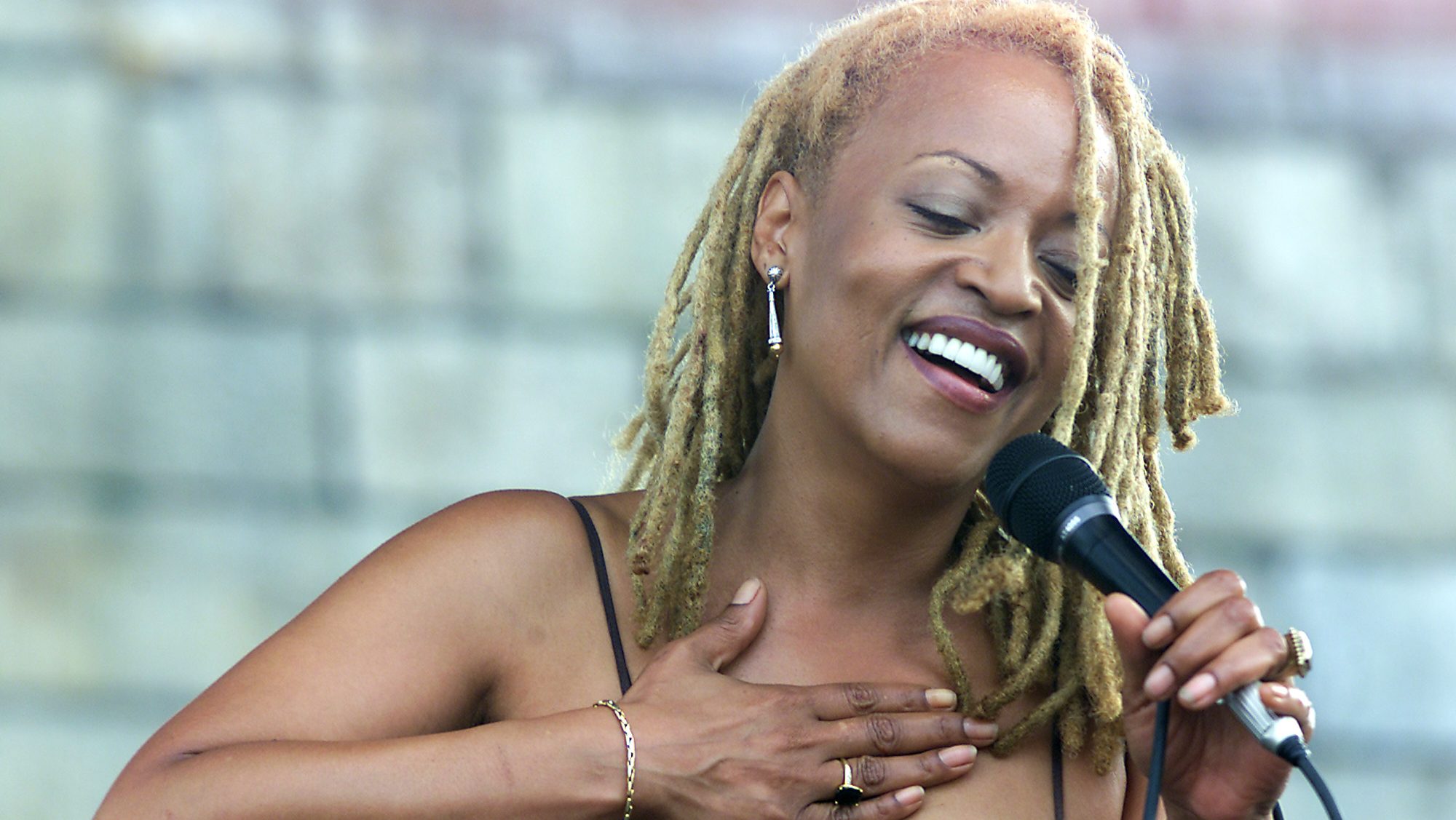
By DeShawn Price, PowerVault Staff
On a crisp autumn day, the news hit like a heavy jazz riff sinking into the soul: Cassandra Wilson, the two-time Grammy Award-winning legend, had passed away at 70. Fans and musicians alike gathered in sorrow, feeling the weight of her absence resonate through the air like a haunting melody. Wilson was renowned not just for her artistry but for her ability to define and redefine genres, effortlessly merging the bluesy undercurrents of jazz with the vibrant rhythms of R&B, folk, and even country. To lose her is to lose a vital part of a musical lineage that shaped contemporary sound through a distinctly Black lens.
For those who followed her career, Wilson's voice was more than just notes strung together; it was a deep, rich contralto that echoed the complexities of Black experiences in America. Dubbed America’s best singer by Time magazine in 2001, she was a beacon of authenticity in a music industry often seeking to commodify Black talent while marginalizing their narratives. Her music was a journey, roaming through landscapes of pain, joy, love, and resilience.
The cultural significance of Wilson's contributions extends beyond her accolades. She was known for crafting an artistic identity that lifted Black stories to the forefront, paving the way for future generations of artists. In a predominantly white industry, where Black musicians have historically been boxed into narrow categories, Wilson claimed her space, merging elements from disparate genres to create something wholly unique. Her album, 'Blue Light 'Til Dawn' stands as a landmark project that shatters boundaries while showcasing her ability to embody the spirit of the struggle, both personally and collectively. This spirit was tangible in her interpretations of classics, revealing layers to songs that many had overlooked.
In many ways, Wilson's death sends a stark reminder of the ongoing narrative within the arts. Black voices can often become silhouettes in the shadow, especially in genres like jazz that have roots intertwined with Black culture yet remain predominantly controlled by white gatekeepers. This raises important questions about representation, ownership, and the preservation of culture in a landscape that often attempts to erase or rewrite its historical context. As we mourn Wilson, we must also reflect on the systemic barriers that persist in the industry, ensuring that the world remembers her not just for her artistry but for the space she fought to carve out for others.
Wilson’s artistry was rooted deeply in her identity and experiences, something she conveyed in her music and public persona. She was an artist who understood that to be a Black woman in America meant grappling with systemic inequalities while also celebrating one’s heritage. Her music resonated with many who found solace in her exploration of themes surrounding love, identity, and social justice. Each time she sang, listeners were transported, feeling the weight of her words and the emotion behind them. This connection is what made her not just a talent, but a cultural force.
By breaking barriers and redefining the jazz genre, Wilson set a precedent for younger artists like Solange, H.E.R., and even Anderson .Paak who now navigate the industry with her unapologetic authenticity as a guiding light. For them, Wilson's legacy provides a toolkit for claiming their narratives in a world that often seeks to dilute their messages for mass consumption. Her influence can be felt in their struggles, as they navigate the complexities of being Black artists in a space that often tries to mold them into something palatable. The pressure to conform can be immense, but Wilson exemplified resilience, showing that true artistry lies in self-expression and embracing one’s roots.
The politics of the music industry are often unkind. Black artists must constantly negotiate their authenticity against the pressures of commercial viability. Many times, we see Black artists shift their styles or compromise their messages to fit industry molds. Wilson was a rebel of sorts in this regard. She defied expectations and commercial pressures,all while producing award-winning music that felt real and resonant. Her death reminds us that the fight for artistic integrity is ongoing. The challenge now is for upcoming artists to honor her legacy by refusing to conform and instead embracing their unique identities.
As we remember Cassandra Wilson today, it is crucial to challenge not only how her artistry impacted the music scene but also what it signifies for the broader cultural landscape. Her work offers a blueprint for how Black artists can thrive in a system that often seeks to stifle their voices. Wilson’s legacy extends beyond her musical contributions; it exists in the dynamics of race, culture, and identity within the arts. Her journey is a powerful reminder that the fight for authenticity in any craft is critical, and that history will judge not just the music one leaves behind but the impact one has on the culture.
Moving forward, we must ask ourselves: How do we ensure that Wilson's story doesn't end here? How do we honor her legacy in a way that uplifts emerging Black artists? In a society that often highlights Black excellence only when it fits a narrative of success defined by mainstream ideals, the challenge lies in creating spaces that celebrate Black artistry in all its forms,messy, beautiful, and authentic. Let Wilson's life ignite a renewed commitment to advocate for Black artistry, ensure that their stories are told, and that the next generation is empowered to craft their narratives with pride.