Off-Duty Security Guard Found Guilty: The Fatal Consequences of Misplaced Fear in America
By Simone Walker, PowerVault Staff The chaos of a busy afternoon in Renton, Washington, transformed into a scene of tragedy. Onlookers stood frozen, their eyes glued to an unfolding nightmare. A teenager, just 16 year...
By Simone Walker, PowerVault Staff
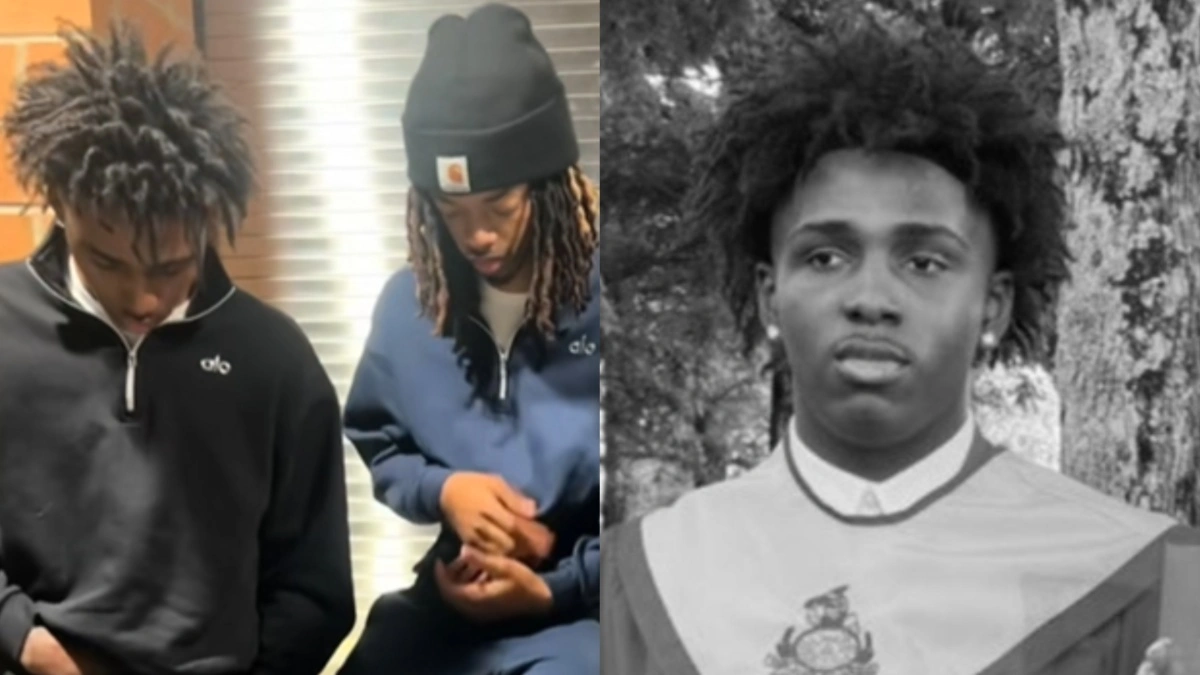
The chaos of a busy afternoon in Renton, Washington, transformed into a scene of tragedy. Onlookers stood frozen, their eyes glued to an unfolding nightmare. A teenager, just 16 years old, lay on the ground, cries for his mother echoing through the air as he suffered the consequences of a fatal misjudgment. Hazrat Ali Rohani's life was cut short by an off-duty security guard named Aaron Brown Myers, whose panic led to seven bullets fired , six striking the boy in the back. The courtroom later labeled the act as 'heinous' and 'unjustified', but questions linger. What drove a man to pull the trigger in such a moment? And what does this fatal encounter illuminate about the systemic issues surrounding gun violence, policing, and racial dynamics in America?
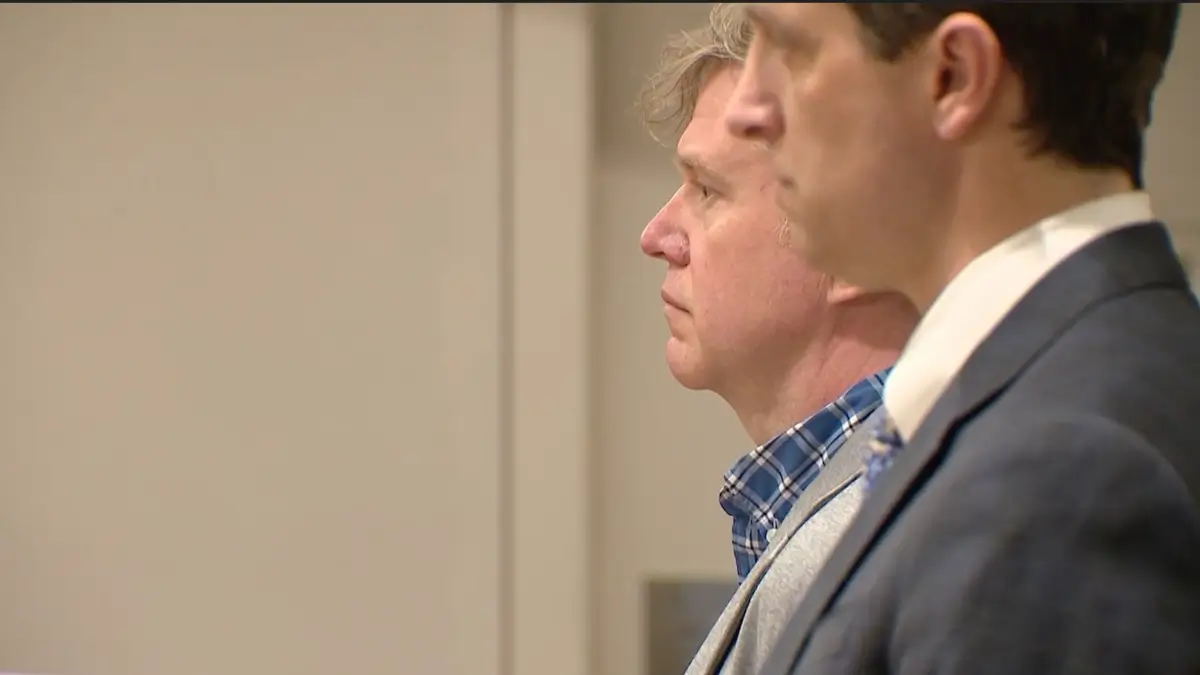
On May 8, a jury found Myers guilty of second-degree murder and assault. The evidence showed that as Rohani and a group of friends returned a couple of BB guns to a local Big 5 Sporting Goods store, Myers, armed with a concealed weapon, misinterpreted their actions as a threat. Eyewitnesses stated that Rohani's friends repeatedly told Myers that the guns were not real. Yet, fear clouded Myers' judgment. He pulled his weapon and fired, ignoring the desperate pleas of a young boy who was simply returning toy guns. The prosecutor, Elaine Lee, painted a chilling picture of a man whose overreaction ended a life and shattered a community.
This incident represents more than just a tragic death. It offers a glimpse into a larger narrative , one where fear often leads to violence, especially in marginalized communities. The social dynamics at play here are complex. Rohani was an Afghan-American teenager, and the role of racial bias cannot be overlooked. In a country where gun violence disproportionately impacts communities of color, the question arises: how do the intertwined issues of race and fear manifest in life-or-death situations? This case challenges us to consider how systemic racism and societal fear can lead to lethal consequences.
The verdict in this case was received with mixed emotions. While the conviction of Myers marks a step toward accountability, it simultaneously raises questions about the effectiveness of the justice system in protecting vulnerable populations. For many, this is not merely a single incident but part of a larger pattern of violence against Black and Brown bodies. The police and judicial systems often react with excessive force in situations that call for de-escalation, particularly when the individuals involved belong to historically marginalized groups. This pattern reflects a failure at multiple levels , from policing practices to community safety protocols.
As news of the trial spread, community members reflected on their fears and the lessons learned from such a tragedy. Activists and leaders voiced their concerns about how incidents of this nature are not isolated; they are symptoms of a broken system. Communities of color are often left to navigate the fallout of violence, both interpersonal and institutional, with little support or recourse. The aftermath of such events rarely brings the healing that is so desperately needed. Instead, it fosters a cycle of mistrust between community members and those sworn to protect them.
The court’s decision to hold Myers accountable stands as a critical moment in the fight for justice, yet it doesn’t erase the trauma inflicted upon Rohani’s family and community. The loss of a child is immeasurable; the grief encompasses generations. Each bullet fired is not just a statistic but a life full of potential extinguished. Rohani’s death reminds us that justice can only be achieved when we confront the root causes of violence and fear that permeate our society.
In the broader context, this case also speaks to the need for reform in how society approaches gun safety and training. The question remains: how can off-duty security guards, or any civilian carrying a firearm, be adequately trained to handle tense situations without defaulting to violence? Comprehensive training that emphasizes de-escalation, situational awareness, and emotional intelligence could prevent tragedies like this. Furthermore, accountability measures must be put in place to ensure that those who wield such power are held to a high standard of responsibility.
The societal implications are profound. The murder of Hazrat Ali Rohani is not a standalone tragedy; it is a reflection of deep-seated issues within American society. It serves as a stark reminder that the rules of engagement often differ based on race, and that fear can lead to fatal miscalculations. The discourse surrounding gun control, police accountability, and racial equity must evolve if we hope to create a safer environment for all individuals.
As the community continues to grapple with the ramifications of this case, the question lingers: what does the future hold for those impacted by such senseless violence? The road to healing is long and complicated, requiring more than just legal accountability. It demands a reckoning with the societal structures that foster fear and violence. It calls for a commitment to change , not just in the courtroom, but in our hearts and minds.
Moving forward, there is an urgent need for ongoing dialogue around these issues. Communities must come together to advocate for policy reforms that address the systemic failures highlighted by this case. The challenge lies in creating a culture of empathy and understanding that places value on every life. Each of us has a role to play in ensuring that tragedies like the one that befell Hazrat Ali Rohani do not repeat. The time to act is now , for justice, for community, and for a future where fear does not dictate the choices we make.