Bal Khadka's Alleged Murder: A Family Torn Apart and a System Under Scrutiny
By Jasmine Reed, PowerVault Staff The early morning calm of Burlington’s Champlain Street shattered as cries pierced the silence, a chilling start to a day that would forever change the lives of those involved. A fran...
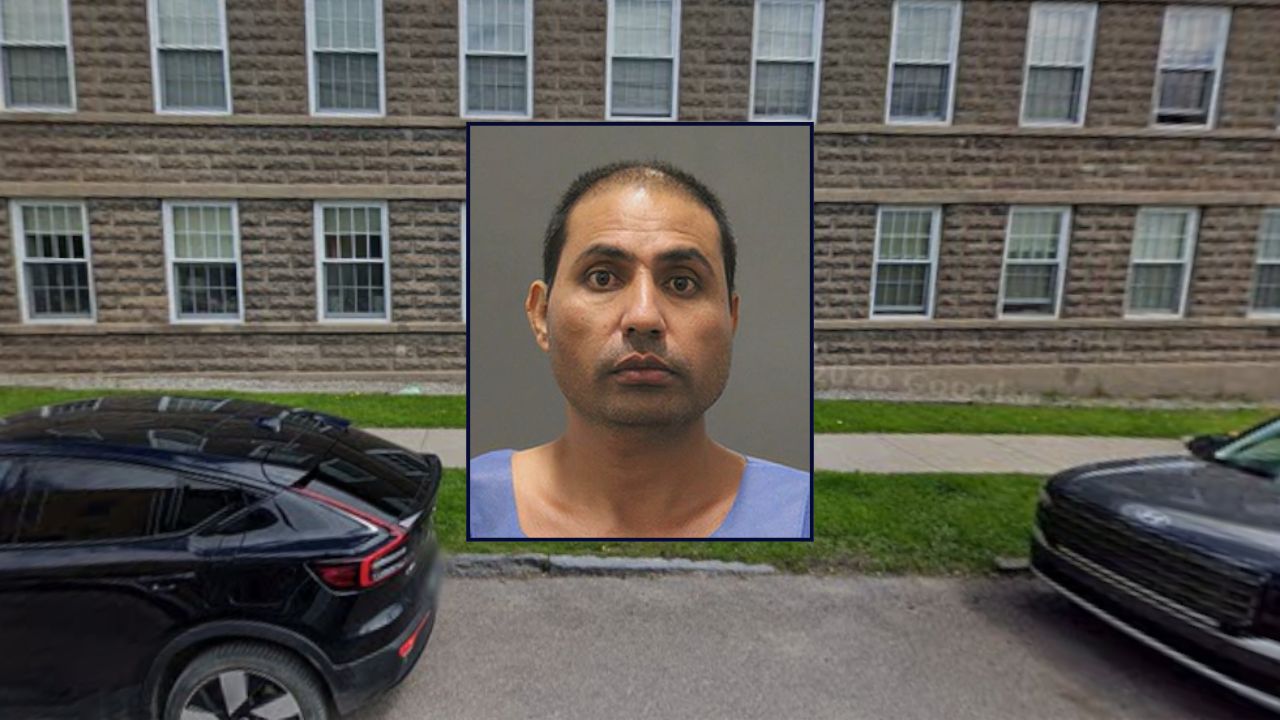
By Jasmine Reed, PowerVault Staff
The early morning calm of Burlington’s Champlain Street shattered as cries pierced the silence, a chilling start to a day that would forever change the lives of those involved. A frantic child stumbled out of an apartment, her pleas for mercy echoing in the dawn as she sought refuge from the horror unfolding within. Inside, a scene of unimaginable violence played out, one that would leave a family in ruins and a community grappling with questions of safety and justice. This wasn’t just another crime scene marked by police tape and forensic teams; it was a stark reminder of the violence that often lurks behind closed doors, masked by the facade of normalcy that neighbors and acquaintances rarely suspect.
Bal Khadka, a 44-year-old resident of Vermont, stands accused of a heinous crime that has horrified the local community and rippled through the media. According to a comprehensive report by Law&Crime, Khadka allegedly bludgeoned his wife, Lila Darjee Khadka, to death with a large black and green flashlight. The attack, occurring just before 6 a.m. On a quiet Saturday morning, unfolded in the presence of their young daughter and her friends, who were left watching in terror. The brutality of the assault, which left Lila with severe and ultimately fatal head injuries, shows the chilling reality of domestic violence. These injuries were so grievous that despite the best efforts of medical professionals, she would never recover, highlighting the irreversible damage inflicted.
The police, responding to a series of urgent 911 calls, arrived at the chaotic scene to find Lila unresponsive, lying in a pool of blood on the bed, the victim of a brutal assault. Despite the immediate medical attention she received, her injuries proved too severe, and she succumbed to them the following day, leaving a void that would never be filled. The chilling account of the children, who witnessed the brutality, was captured on an audio recording obtained by investigators. On the recording, the desperate cries of the 10-year-old girl can be heard, pleading for her father's madness to stop. "Dad, no!" she screamed, her voice a haunting reminder of the trauma that will likely affect her for the rest of her life.
The YouTube video below provides a glimpse into the public outrage and disbelief surrounding this tragic event, capturing the raw emotions of a community in shock. In the days following the murder, Burlington residents gathered for vigils and community meetings, desperate to understand how such an atrocity could happen in their neighborhood. Community leaders and activists have taken to social media, sharing the video to spread awareness and ignite a broader conversation about domestic violence and its devastating impacts. It serves as both a memorial for Lila and a rallying cry for systemic change, urging viewers not to let her death become just another statistic but a catalyst for action and reform.
When officers arrived, they encountered a bizarre scene that was unsettling in its normalcy. Khadka, seemingly unfazed by the chaos he had created moments earlier, greeted them with a casual 'hello' as if they were unexpected guests rather than law enforcement responding to a murder. He was tending to another child, continuing a facade of routine that belied the horror of his actions. This chilling apathy, as noted in the arrest affidavit, shows the detached and cold nature often associated with domestic violence perpetrators, who can compartmentalize their actions to an unnerving degree. It wasn't until officers conducted a thorough search and discovered the murder weapon, blackened and stained, hidden in a bedroom drawer, that the full gravity of Khadka's actions became apparent, confirming the children's horrifying accounts.
This tragic incident isn't isolated but part of a disturbing pattern of domestic violence cases that have plagued Vermont and the nation at large, highlighting systemic flaws in how such cases are handled. In 2020, Khadka was arrested for aggravated domestic assault, a serious charge that could have intervened in the cycle of violence. However, charges were ultimately dropped after Lila declined to testify, a decision that is not uncommon in abusive relationships where fear and manipulation are pervasive. This case mirrors others where victims, often cornered by threats or psychological control, remain silent, allowing the cycle of violence to perpetuate, sometimes until it’s too late. The societal pressures and lack of support for victims can trap them in dangerous situations, illustrating a critical gap in our justice system.
Domestic abuse thrives in an insidious silence that shields perpetrators.
The chilling apathy shown by Khadka is a stark reminder of how domestic violence can thrive in silence.
The chilling apathy shown by Khadka is a stark reminder of how domestic violence can thrive in silence, often going unnoticed until it reaches a tragic endpoint. His indifference is not just a personal failing but a reflection of systemic gaps that allow repeat offenders to act with impunity, slipping through legal cracks that should safeguard victims. When survivors like Lila are not empowered or supported enough to testify against their abusers, it signals a failure not just of personal accountability but of a justice system that should protect the vulnerable. This case exemplifies the urgent need for a more robust support network for survivors, ensuring they have the resources and backing to break free from the cycle of abuse.
Khadka's previous arrest and the subsequent dismissal of charges highlight severe flaws in prosecuting domestic violence cases, where legal mechanisms often fail those they are meant to protect. A similar pattern was evident in the tragic death of Na'Ziyah Harris, where legal loopholes and societal pressures led to devastating consequences. These incidents underline the critical need for reforms that prioritize victim support and strengthen the legal framework to prevent offenders from escaping justice. Without substantial changes to the way these cases are handled, we risk perpetuating a system where victims feel unsupported and perpetrators exploit the system's weaknesses to continue their abuse unchecked, leading to irreversible tragedies.
For the community, this case isn't just a shocking crime story; it's a wake-up call that reverberates beyond Burlington. It challenges us to confront the darker aspects of family life and examine the systemic issues that let domestic violence persist unchecked. We must ask why warning signs are often ignored and what can be done to ensure no child is left to witness such horror. The silence of individuals and institutions alike must be broken if we are to protect those who cannot protect themselves. This case demands that we hold a mirror to our societal norms and take decisive action to dismantle the structures that enable such violence.
Underneath this tragedy are racial and class dynamics that cannot be overlooked, as they play a significant role in the access to justice and support for victims of domestic violence. Minority communities often face additional barriers in seeking justice due to cultural stigmas or a deep-seated mistrust in law enforcement, which can deter them from reaching out for help. This complexity is compounded by socioeconomic strains that make escaping abusive situations even more difficult, trapping victims in a cycle of violence that seems inescapable. As we unravel this case, we must consider how these factors influence the ability to access support and protection, and strive to create an inclusive system that addresses these disparities.
As Khadka awaits trial, held without bond, the eyes of Vermont, and indeed, the nation, are fixed on this case to see if justice will be served in a manner befitting the gravity of the crime. The outcome will not only affect those directly involved but could also catalyze much-needed changes in how we address and prevent domestic violence. This case demands a dialogue about supporting victims and holding perpetrators accountable, urging lawmakers and communities to reconsider the frameworks currently in place. Let this case not end in silence but serve as a call to action for systemic change and community vigilance, ensuring that future tragedies are prevented through proactive measures and comprehensive reform.