Barry Coleman Sentenced for Kidnapping Jamal White: What's Behind the Case?
By Andre Coleman, PowerVault Staff On a seemingly ordinary day in Milwaukee, the tranquility of a neighborhood was shattered by the chilling cries of a young boy being ripped away from his father's embrace. This wasn’...
By Andre Coleman, PowerVault Staff
On a seemingly ordinary day in Milwaukee, the tranquility of a neighborhood was shattered by the chilling cries of a young boy being ripped away from his father's embrace. This wasn’t a movie scene, it was the harsh reality for Jamal White, who, at just seven years old, became the center of a harrowing ordeal that would forever alter his young life and the community's sense of safety. The orchestrator of this nightmare was Barry Allen Coleman, a mere teenager himself. His decision to engage in such a life-altering crime, driven by desperation and youthful recklessness, has left a mark on those involved, highlighting the pervasive issues of crime and security that haunt many urban neighborhoods.
As detailed by Law&Crime, Barry Allen Coleman, at the age of 15, received a decade-long prison sentence for executing the armed kidnapping of Jamal White. This brazen act, carried out in broad daylight and right in front of Jamal's father, was initially part of a failed robbery plan that spiraled out of control. The crime escalated into a shocking demand for $100,000 in ransom, ultimately resulting in Coleman’s conviction in Milwaukee County Circuit Court. Judge David Borowski, while condemning the teen’s actions as 'heinous,' acknowledged Coleman's youth as a significant factor. The sentence was carefully crafted to balance the need for justice and the hope for Coleman's eventual rehabilitation, reflecting the complexities of sentencing a juvenile for such a grave offense.
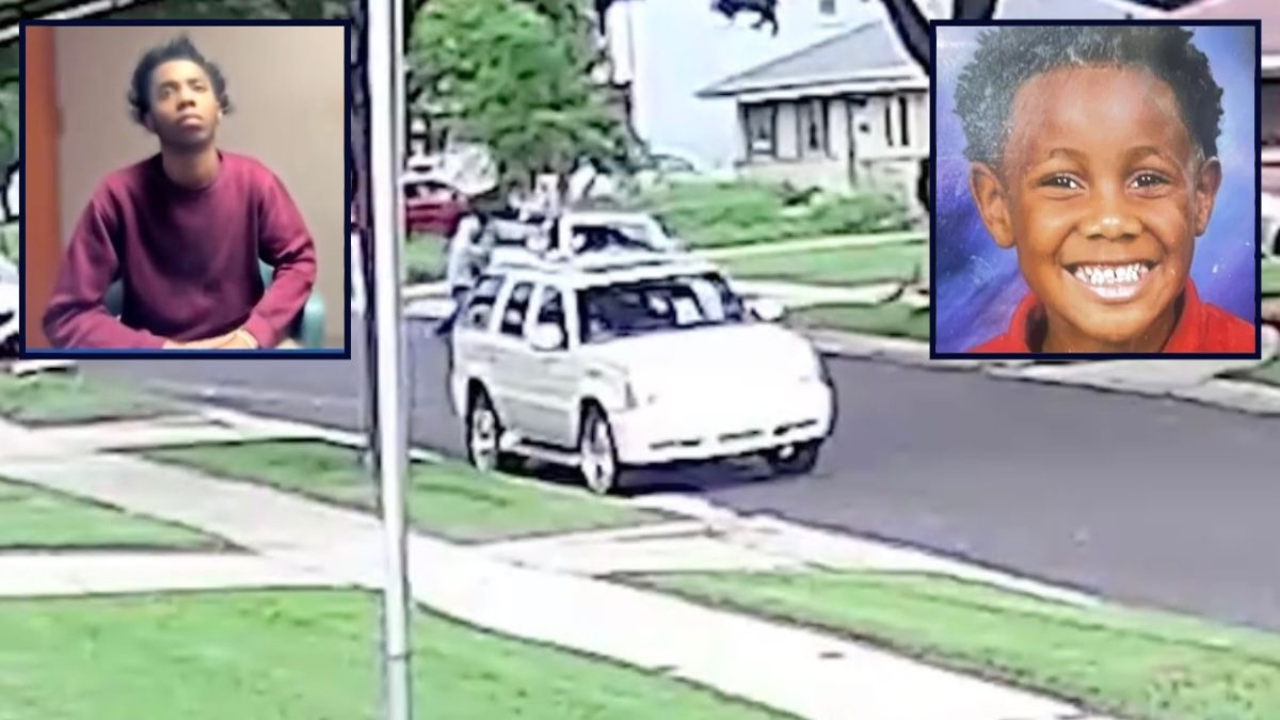
The specifics of the crime read like the plot of a grim thriller. Returning from a seemingly innocuous park trip, Jamal’s father found their path home obstructed by a white Jeep Renegade. Armed men suddenly emerged, and chaos ensued in a matter of seconds. Jamal was snatched from his father’s side, the young boy's terrified cries piercing the air as he was whisked away. Surveillance footage later showed Coleman in pursuit of the frightened child, ultimately forcing him into the vehicle operated by Corey Williams. This chilling footage not only captured the community's horror but also served as crucial evidence that painted a vivid picture of the crime, underscoring the organized nature of the kidnapping and the calculated steps taken by the perpetrators.
Details from the courtroom paint a picture of a young man grappling with the enormity of his actions. During the proceedings, Coleman, who entered a plea deal in July, openly expressed remorse, acknowledging the deep pain inflicted on Jamal and his family. His apology, though sincere, offers a haunting reminder of how juvenile missteps can leave lasting scars on both victims and perpetrators. The plea bargain saw Coleman admitting to robbery and firearm possession, leading to the dismissal of more severe charges like kidnapping. These charges, however, were not entirely off the table, as they lingered ominously during sentencing, a reminder of the gravity of his actions. The legal nuances of such plea bargains in juvenile cases often reflect the complex interplay between accountability and the potential for rehabilitation.
The crime was not without its elements of desperation and misguided ambition. Williams, one of the co-defendants, revealed to investigators that the original plan had been to target Jamal's mother, whom they believed was involved in illicit activities. The pivot from robbery to abduction shows a grim reality: a young boy caught in the crossfire of criminal aspirations driven by misinformation and desperation. This miscalculated plan, rooted in a flawed understanding of potential gains, highlights the systemic issues within communities plagued by crime and poverty. These communities often see crime as a misguided route to financial opportunity, a dangerous narrative that ensnares young individuals like Coleman, leading to devastating consequences.
Barry Coleman's case evokes disturbing echoes from past events where young lives have been derailed by crime. One such grim reminder is the 2013 kidnapping incident involving Ariel Castro in Cleveland, where three women were held captive for over a decade. In both instances, captors exploited the vulnerability of their victims in pursuit of twisted goals, highlighting a troubling pattern of systemic failure in preventing youth from descending into criminality. These cases show a broader societal issue where vulnerable individuals become ensnared in cycles of violence, often due to a lack of early intervention and support. The haunting similarities between these events call for urgent reflection on how communities and systems can better protect at-risk youth from similar fates.
The real story beneath this crime is not just about a misguided youth, but a system that failed him long before Jamal White's kidnapping took place.
Barry Coleman's case exposes the grim reality of how systemic failures can allow young lives to spiral into violence.
In examining Coleman’s case, we must ask: What drove a 15-year-old to such extremes? The answer lies in socio-economic disenfranchisement, a lack of guidance, and systemic neglect. These factors create a narrative all too familiar within underfunded communities where young people see crime as a misguided pathway to success. Coleman's remorse, while genuine, reflects a life marked by missed opportunities for positive change. His case exposes the grim reality of how systemic failures can allow young lives to spiral into violence and criminality, underscoring the urgent need for comprehensive social support systems that address the root causes of youth delinquency before they cascade into more severe criminal behavior.
This incident raises critical questions about juvenile justice. Is the system adequately equipped to handle young offenders who commit adult crimes, and can it balance punishment with the potential for rehabilitation? The tenuous balance between these two objectives becomes evident in cases like Coleman's, which reveal a pressing need for reform in youth correctional strategies. Rather than merely addressing symptoms, the justice system must evolve to address root causes, such as poverty and lack of education, which contribute to juvenile crime. By developing preventative measures and intervention programs, the system can better intercept and redirect at-risk youth before they reach points of no return, ensuring that future generations are not similarly ensnared.
For the communities invested in this story, the takeaway is profound. This isn’t just a tale of crime; it’s a reflection of communal challenges that demand collective action. The community must confront the harsh realities of poverty, limited access to education, and the paucity of opportunities for youth. By implementing prevention and intervention programs tailored to at-risk youths, the trajectory for many like Coleman can be altered before they become statistics. This incident transcends the confines of a legal matinee, it is a stark call to address broader societal issues that perpetuate cycles of crime and poverty, urging communal responsibility in creating environments conducive to positive youth development.
This case also highlights the racial and class dynamics at play. Coleman, like many African American youths, faced a justice system frequently critiqued for its inequities. The harsh realities of systemic racism and economic disparity create an environment where crime becomes an appealing escape for disenfranchised youth. These underlying factors must be acknowledged and addressed within any meaningful reform aimed at reducing youth crime. Only by confronting these systemic injustices can society hope to create a more equitable justice system that supports, rather than punishes, vulnerable populations, ensuring that young individuals are provided with legitimate opportunities to escape the cycle of crime and poverty.
As we reflect on this case, the looming question is what happens next. Coleman will serve his time, but his story serves as a cautionary tale about the potential pitfalls awaiting young individuals. Will he emerge rehabilitated, or will the cycle of crime continue? The community and justice system must collaborate to ensure that future Barry Colemans find a different path, one away from criminality and toward a more hopeful future. This case urges us to rethink proactive measures that steer young lives away from crime and toward hope, emphasizing the importance of community involvement and systemic change in preventing similar tragedies.