Ramsey Thomas Lyons: Why He Slashed a Senior Shopper at Publix
By Tanya Brooks, PowerVault Staff In the aisles of a bustling Publix in Punta Gorda, Florida, a simple shopping trip turned into a nightmare that no one could have foreseen. The hum of overhead lights and the quiet mu...
By Tanya Brooks, PowerVault Staff
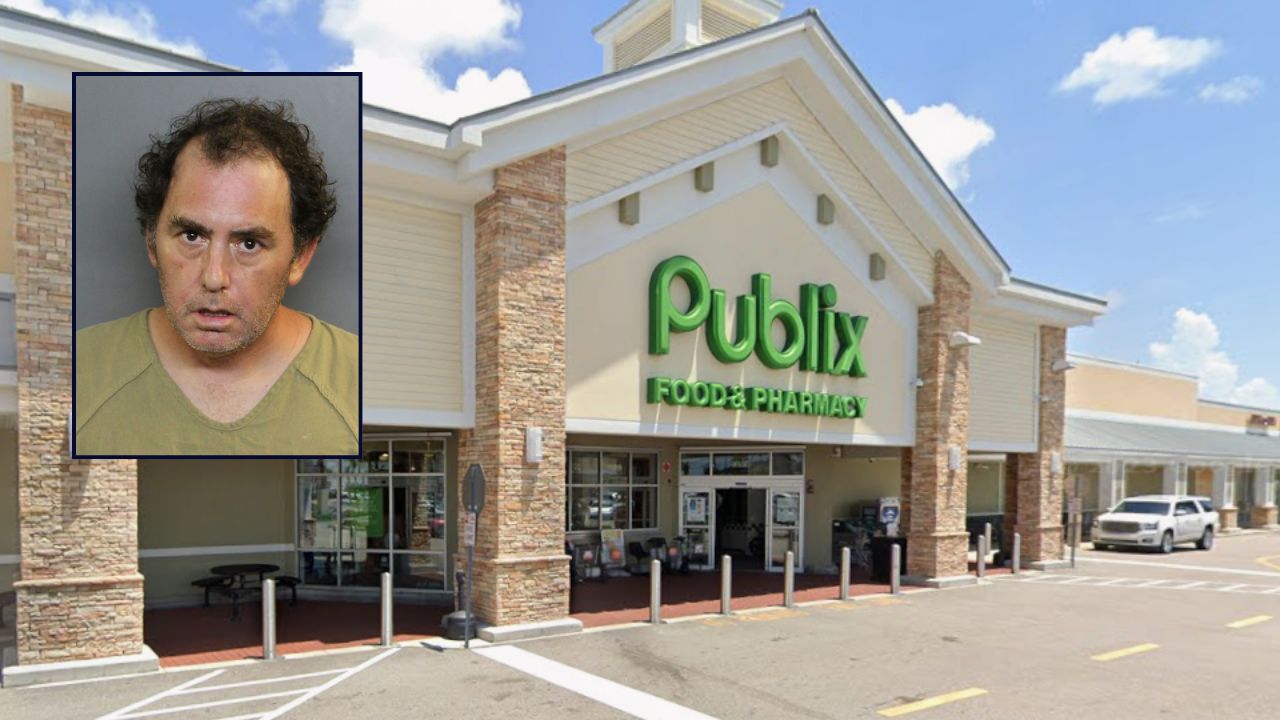
In the aisles of a bustling Publix in Punta Gorda, Florida, a simple shopping trip turned into a nightmare that no one could have foreseen. The hum of overhead lights and the quiet murmur of shoppers were suddenly pierced by chaos and confusion. A 70-year-old man, unsuspecting and focused on his grocery list, felt an intense and unexpected blow to his face. As he spun around in shock and disorientation, he found himself staring into the eyes of a man, cold and calculating, wielding a box cutter with intent. Blood pooled in his hands as he realized with horror the severity of his injury, a moment that transformed an ordinary day into a harrowing ordeal.
The assailant, identified as 47-year-old Ramsey Thomas Lyons, allegedly targeted the elderly shopper for a reason as bizarre as it was unsettling. Lyons claimed he harbored an intense hatred for the 1960s, and he believed the victim simply looked like he was from that era, making him a target. According to Law&Crime, Lyons stands accused of aggravated battery on a person 65 years or older, a charge that shows the seriousness of the attack. The police report details how Lyons launched his assault on the senior without any provocation, leaving a deep and gruesome gash that stretched from the victim's cheek to his neck, a lasting reminder of the day's violence.
The detailed arrest affidavit paints an unnerving picture of premeditation and intent. Lyons reportedly told officers, after being read his Miranda rights, that he harbored a long-standing hatred not just for the 1960s but for anyone he associated with that time. He entered the store with a chilling intent to kill, a plan that had been simmering in his mind for days. The randomness of his choice adds another layer of fear, as Lyons had no personal connection to the victim, a stranger who happened to cross paths with a dangerous individual. The chilling words in the affidavit reveal a calculated and premeditated assault on an unsuspecting shopper, turning a mundane errand into a scene of horror.
When police officers arrived on the scene, they found Lyons near the store's entrance, his hands on his head in a gesture of surrender. His behavior, captured by store CCTV, suggested he was making a calculated statement that he wasn't a threat, possibly an attempt to avoid being harmed by law enforcement officers who might perceive him as dangerous. Despite the chaos he had caused, Lyons surrendered without further incident. Cops retrieved the box cutter from the scene, this was the weapon that had turned an ordinary day at the grocery store into one of terror and bloodshed, leaving both physical and emotional scars in its wake.
The 70-year-old victim required numerous stitches to close the ghastly wound inflicted upon him. This attack has left not just physical scars but an emotional wound on the community, one that will take time to heal. The randomness of the assault is particularly unsettling, highlighting vulnerabilities we seldom acknowledge in our daily lives. What might have been a simple errand, a routine trip to the store, was transformed into a scene reminiscent of a horror story, one that will linger in the memories of those who witnessed it. More insights into Lyons' behavior and the events of the day can be viewed in the accompanying clip below.
This isn't the first time a seemingly random act of violence has shaken communities to their core. The notorious 'subway attack' in New York City in 2014, where an attacker pushed a stranger onto the tracks, and the 2020 stabbing spree in Birmingham, UK, where multiple victims were targeted, are grim reminders of how unchecked mental health issues can explode into public violence. In each of these cases, attackers had histories of untreated mental health problems, raising serious questions about systemic failures in mental healthcare. The pattern is clear and troubling: a lack of proper intervention and support leads to preventable tragedies, leaving communities to grapple with the aftermath.
This disturbing attack isn't just a random crime; it's a glaring symptom of a broken mental health system.
This disturbing attack isn't just a random crime; it's a glaring symptom of a broken mental health system.
Lyons' claim of an 'undiagnosed mental illness' raises significant concerns about the gaps in our mental health system. How many more individuals like Lyons are out there, wandering through life without the crucial support and intervention they clearly need? The mental health system, or lack thereof, has repeatedly failed individuals and communities alike, allowing those in need to slip through the cracks. By neglecting those who show signs of mental instability, society essentially leaves them to fend for themselves, often with catastrophic outcomes. This failure is not just on the shoulders of health services but is a societal one, demanding urgent and comprehensive reform to prevent similar tragedies.
For the justice system, this case will test long-standing protocols around mental illness and criminal intent. Can a person be held fully accountable for their actions when they claim a mental disorder impairs their judgment and decision-making capabilities? The courts are left to ponder the delicate balance between punishment and rehabilitation, a challenge that has significant implications for future cases. Lyons is currently held without bond, awaiting his next court date in November, where critical decisions will be made. The outcomes of this case could set important precedents for how similar cases are handled in the future, shaping the intersection of mental health and criminal justice.
For the community, this incident is a painful reminder of the fragility of safety in public spaces, places we often take for granted as being secure. As more details about the attack and Lyons' motivations emerge, the question looms larger than ever: Are we doing enough to protect our elderly, our most vulnerable members of society, from becoming unwitting targets of such aberrant violence? The answers aren't simple, and they demand a thorough examination and discussion. It's not just about addressing the aftermath of violence, but about implementing measures to prevent such incidents at their root, ensuring safety and security for all.
Moreover, the attack exposes underlying societal tensions, including ageism, an often overlooked bias that can fuel unwarranted resentment and hostility. Lyons' irrational hatred for a particular era shows how deeply ingrained prejudices can manifest in unexpected and violent ways, bringing to light biases that many might not even be aware they hold. Whether these biases are based on generational, racial, or cultural lines, they contribute to an environment where irrational acts of violence can erupt suddenly and without warning, challenging us to confront and address these prejudices head-on to prevent future incidents.
As the legal process unfolds, attention shifts to what actions can be taken to prevent another tragedy from occurring. The public demands answers and accountability, not just from Lyons, but from the systems that allowed him to slip through the cracks and reach this point. The community watches closely, hoping for a resolution that addresses both immediate safety concerns and the deeper, systemic flaws that have been highlighted by this case. Nobody knows yet if justice will be truly served, but for now, vigilance and reform remain crucial. As we digest this chilling event, we are challenged to rethink safety and mental health in our society.