Bears Defeat Seahawks: What This Means for Black Athletes
By Tanya Brooks, PowerVault Staff The Chicago Bears' dominant 34-17 victory over the Seattle Seahawks on Monday Night Football wasn't just a win; it was a statement. It transcended the usual metrics of playoff positio...
Advertisement

By Tanya Brooks, PowerVault Staff
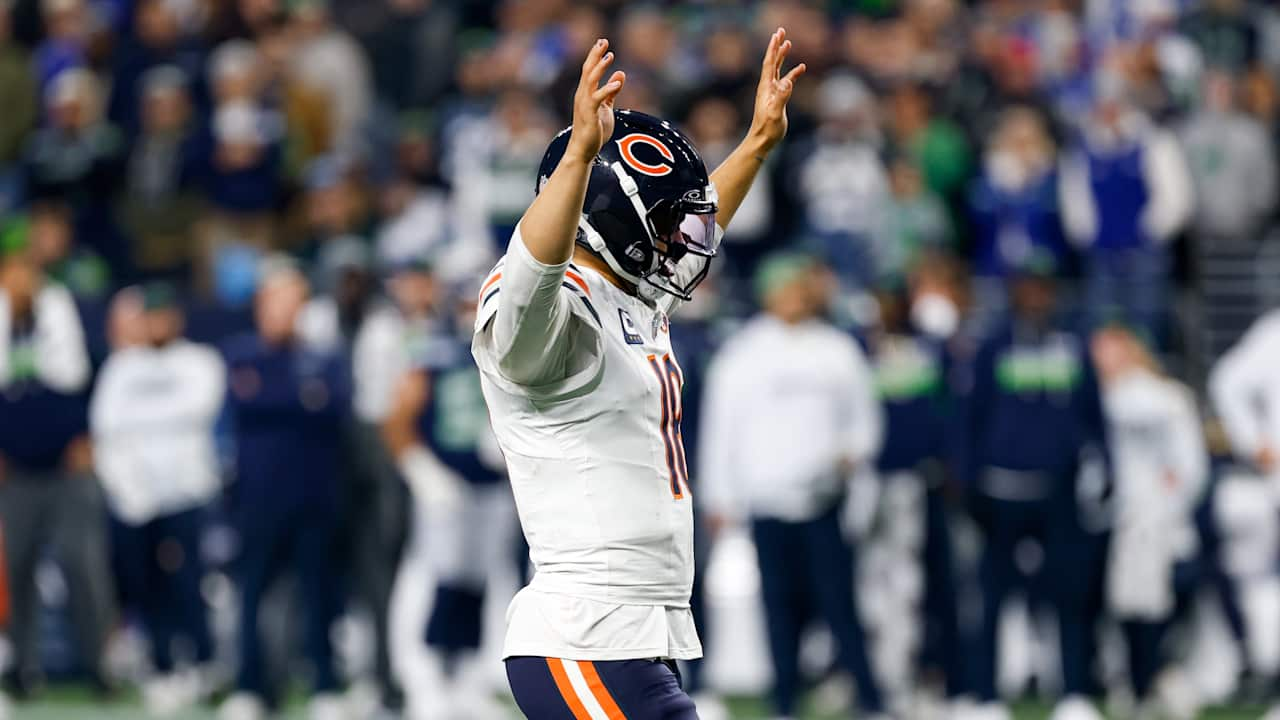
The Chicago Bears' dominant 34-17 victory over the Seattle Seahawks on Monday Night Football wasn't just a win; it was a statement. It transcended the usual metrics of playoff positioning and divisional battles, marking a moment where the underestimated faced off against the reigning champions and emerged victorious. The Bears, through the astute trade acquisition of Jeffery Simmons, have not only captured attention but have also ignited conversations about the implications for the team and the broader scene for Black athletes in the league. This is more than about the scoreboard; it's about challenging norms and reshaping expectations in a sport where those who look like Simmons and Williams often have to fight for recognition and opportunity.
Monday's win saw Chicago making history by becoming the first team to defeat both Super Bowl participants from the previous season in consecutive prime-time matches. According to NFL.com's Bobby Kownack, this achievement was propelled by Caleb Williams' tactical use of play-action passes, completing 10 of 15 attempts for 109 yards and a touchdown. But the real story isn't just in the statistics; it's in the methodical approach that the Bears have adopted to redefine their gameplay. By leveraging Williams’ ability to execute under pressure, the Bears demonstrated a calculated shift in strategy that prioritizes adaptability and innovation. This evolution hints at a deeper understanding of how to utilize talent in ways that maximize both individual and team potential.
Caleb Williams' play-action rate peaked at 47.2%, his highest this season and the fourth-highest for any quarterback with a minimum of 25 attempts. This strategic maneuvering reflects more than just a playbook adjustment; it mirrors a broader trend of NFL teams increasingly valuing quarterbacks who can dynamically adapt and execute under pressure. The modern game demands not just physical prowess but intellectual agility, and Williams embodies this shift. His ability to read defenses and make split-second decisions underlines a growing recognition in the league that success hinges on quarterbacks who bring a multidimensional skill set to the field. This shift suggests a future where the traditional quarterback archetype is continually redefined by players who can thrive in complex, high-stakes environments.
This victory isn't just another 'W' in the column for the Bears. It's emblematic of the new direction the team has taken. Jeffery Simmons, acquired via trade, has proven to be a key element in this turnaround. The trade, initially met with skepticism, now looks like a strategic masterstroke. Simmons' ability to disrupt the opposition's game plan was evident against the Seahawks, demonstrating why Chicago was willing to gamble on him. His presence on the field has not only bolstered the Bears' defensive capabilities but has also become a cornerstone of their evolving identity. By betting on Simmons, the Bears have showcased a willingness to invest in players who bring both skill and a transformative energy that can reshape the team's trajectory.
The Bears' win against a formidable opponent shows their potential to disrupt the status quo in the NFL. The presence of players like Williams and Simmons, who consistently step up when it matters most, is reshaping what success looks like in a league dominated by traditional powerhouses. Their performances are not merely about individual accolades but about a collective reimagining of how a team can thrive. As the Bears continue to challenge established hierarchies, they highlight a shift in the league's power dynamics, where emerging teams can redefine what it means to compete at the highest levels. The full highlights from the game can be seen in the video below, offering a glimpse into how these players are altering the fabric of the sport.
The Bears' victory and their strategic choices highlight a broader pattern in professional sports. We've seen this before, teams willing to look beyond surface-level statistics and traditional methods often revolutionize their approach. Think back to 2010 when the Miami Heat's 'superteam' strategy sent ripples through the NBA, changing how teams viewed talent acquisition and teamwork. Or the 2007 New England Patriots season, where an offensive overhaul led to an undefeated regular season. These moments show how breaking from tradition can lead to groundbreaking success. The Bears, by adopting an innovative approach that prioritizes adaptability and strategic vision, join a lineage of teams that have dared to think differently, challenging the status quo and setting new benchmarks for excellence.
This is bigger than the stats. It's about transformation and the narratives that shape sports.
For Black athletes, excelling in these spaces means changing an entire narrative.
For Black athletes, excelling in these spaces means changing an entire narrative. In a league where leadership often doesn’t reflect the diversity seen on the field, Williams’ and Simmons’ performances challenge that narrative. They not only represent their team but also signify the breaking of barriers, which can positively influence the young Black athletes watching and modeling their dreams accordingly. This victory becomes a beacon of what's possible when talent meets opportunity without the confines of outdated norms. Their success serves as a powerful testament to the potential that lies in embracing diversity and fostering an environment where all athletes are empowered to reach their fullest potential, dismantling stereotypes and inspiring future generations to pursue their aspirations without limitations.
What does this mean for the NFL at large? Teams must recognize that talent evaluation is an ever-evolving science. The Bears’ strategy, focusing on dynamic and layered play, should push other franchises to rethink their approaches. It’s not just about filling positions; it’s about enhancing the team’s ability to adapt, learning from high-pressure scenarios, and relying on players who can deliver when the stakes are high. This paradigm shift calls for a reassessment of traditional scouting methods, urging organizations to prioritize players who bring a blend of skills and the mental acuity necessary to handle the complexities of the modern game. By embracing this holistic view of player development, the league can foster a culture of excellence and innovation that propels the sport forward.
For fans, particularly those from Black communities, the Bears' success story is an invigorating reminder of progress and potential. It illustrates how strategic planning, when aligned with skill and determination, can redefine expectations. It also calls on fans to hold teams accountable, encouraging them to consider how they draft, trade, and develop talent, demanding more inclusivity and innovation. As supporters, fans have the power to influence the direction of the sport, advocating for fair representation and equitable opportunities that reflect the diversity of the communities they come from. By staying engaged and vocal, fans can drive change, ensuring that the future of the NFL is one that values diversity, equity, and a commitment to nurturing talent from all backgrounds.
Underlying this sporting narrative is the complex web of race, class, and industry politics. The NFL, much like other sports leagues, often mirrors societal disparities. Black athletes, despite their on-field contributions, face a system that doesn’t always prioritize their growth beyond the game. The Bears’ recent success, driven by their Black players, shouldn’t just be a fleeting headline; it should be part of a larger dialogue about equity and opportunity in professional sports. This conversation must address the systemic barriers that hinder the advancement of Black athletes, advocating for policies and practices that support their holistic development. By shedding light on these issues, the league can work towards creating an environment where all players have the resources and support they need to succeed both on and off the field.
Advertisement
Looking ahead, the Bears are more than a team enjoying a hot streak; they're a blueprint for what the future of the NFL could look like. The rest of the league would do well to learn from their current trajectory. As the season progresses, all eyes will be on how Chicago maintains this momentum and whether their success prompts meaningful changes within other franchises. For the community and fans, this is a call to remain engaged, not just in the game but in the conversations that shape the future of sports. By actively participating in these discussions, fans can contribute to a more inclusive and innovative league that reflects the values of diversity and resilience, paving the way for a new era of excellence in professional football.
More from PowerVault Network: