Britt McHenry's NBA Meltdown: Racial Tensions and Consequences
By Renee Fontaine, PowerVault Staff Britt McHenry, a former Trump administration staffer, found herself at the center of controversy after a drink-throwing incident at an NBA game. The altercation, which erupted durin...
Advertisement

By Renee Fontaine, PowerVault Staff
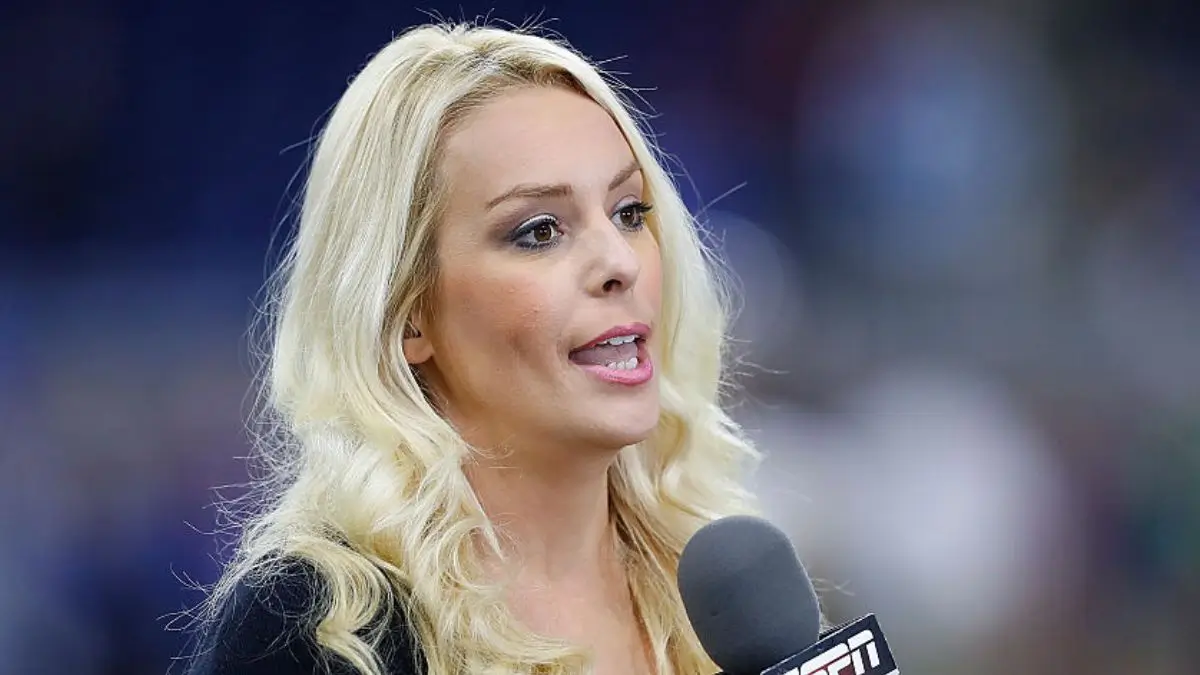
Britt McHenry, a former Trump administration staffer, found herself at the center of controversy after a drink-throwing incident at an NBA game. The altercation, which erupted during a Milwaukee Bucks vs. Washington Wizards game, quickly spiraled into a public spectacle, leading to her abrupt resignation from her role as a press adviser for the State Department. Cameras captured the 40-year-old ex-ESPN correspondent hurling a drink at another spectator, which fueled a storm of public backlash and ignited a fiery debate across social media platforms. The incident highlights how personal actions can have immediate professional repercussions, especially for someone already in the public eye, tangling sports, politics, and personal conduct into a single explosive moment.
According to McHenry, the incident began when a man in the stands launched into a verbal tirade against Milwaukee Bucks player Kyle Kuzma and his fiancée, model Winnie Harlow. In a video statement released on October 28, McHenry defended her actions, claiming she was standing up against offensive remarks targeting Harlow's skin condition, vitiligo, a topic that touches deeply on issues of racial identity and societal acceptance. As the situation escalated, McHenry found herself being ejected from the arena amidst boos and jeers from the crowd, her attempt to shield Harlow turning into a public scandal that questioned the boundaries of defense and aggression. This moment serves as a microcosm of how quickly public perception can turn, especially for figures associated with contentious political affiliations.
McHenry claimed that the man in question suggested she should be "gang r---" outside, a vile remark that, according to her, ignited her reaction. This claim, though shocking and serious, did not shield her from the fallout as her subsequent actions and the spiraling controversy spotlighted the broader conversation about how race, gender, and media intersect in the sports world. The incident shows the often-unforgiving nature of public scrutiny, where actions are dissected and motivations questioned, especially when they occur in highly charged environments like sports arenas. The video clip that circulated online became a focal point for discussions about appropriate responses to verbal harassment and the complexities of defending one's self or others in such volatile situations.
While McHenry's account of the events paints her as a defender of Harlow's dignity, public opinion remains sharply divided. Social media has been ablaze with criticism, with many questioning McHenry's approach and her refusal to apologize for the incident. Her narrative, where she was provoked into action, may not be enough to sway a public sentiment that increasingly sees her actions as a public relations disaster, particularly given her association with the divisive Trump administration. The incident has transformed into a litmus test of sorts, examining the intersections of personal accountability, public perception, and the lingering shadows of political affiliations that follow individuals even into unrelated arenas like sports.
The backlash comes at a time when the sports world is increasingly sensitive to issues of racism and sexism. The NBA, known for its diverse player base and progressive social stance, has zero tolerance for incidents that detract from its image. This incident shines a light on the volatile mix of politics and sports, particularly when it involves figures linked to controversial administrations. The arena, intended as a space for unity and competition, instead became a stage for broader societal conflicts to play out. McHenry's actions and the subsequent fallout show the fragile nature of reputations in today's hyper-connected world, where every action is subject to public dissection and critique.
This isn't the first time McHenry has been embroiled in a public controversy. Her career has intersected with notable flashpoints that have tested her public image, such as her departure from ESPN when her behavior toward a tow company employee went viral, casting a long shadow over her professional demeanor. The pattern here is revealing, underscoring the challenges public figures face in maintaining their image while handling the complex intersections of race and gender dynamics. This recent episode with McHenry suggests a recurring theme of tension between professional conduct and personal beliefs, highlighting how past behaviors can resurface and influence public perception, especially when they align with broader societal issues.
Here's the reality we can't ignore: McHenry's firing is emblematic of a larger cultural clash. In an era where social justice movements and political tensions are at an all-time high, the sports arena often becomes a stage where these broader societal conflicts play out.
The spiral of controversy McHenry finds herself in is symptomatic of a larger issue, where racism, sexism, and media sensationalism intersect.
The spiral of controversy McHenry finds herself in is symptomatic of a larger issue, where racism, sexism, and media sensationalism intersect. For Black athletes like Kuzma and others, these incidents are potent reminders of the hostile environments they must often handle, both on and off the court. The unscripted moment during the game highlights how toxic fandom and systemic prejudice can manifest in public spaces, turning what should be a celebration of athletic talent into a battleground for social issues. These moments are not isolated but part of a larger narrative that Black athletes must contend with, often turning their public appearances into platforms for broader societal challenges.
For the sports industry, this incident serves as a cautionary tale. It shows the necessity for organizations to enforce strict codes of conduct, ensuring that sports remain a place of respect and inclusion. As sports leagues grapple with their roles in social activism, they also face the challenge of protecting their athletes from the vitriol that can come with fame and visibility. The incident with McHenry highlights the ongoing struggle to create environments where athletes can focus on their performance rather than fend off personal attacks. It calls for a reevaluation of how fans engage with players and the responsibility of leagues to safeguard those under their banner.
For the audience and the community, McHenry's actions and subsequent defense add another layer to the ongoing conversation about accountability in public life. Her decision to engage rather than disengage from the conflict reflects a choice many find troubling, especially at a time when public figures should be models of restraint and decorum. This incident challenges the accepted norms of public conduct, questioning the limits of personal defense and the responsibilities that come with being a public figure. It forces a reevaluation of how conflicts are handled in the public sphere, particularly when they intersect with the personal and professional realms.
Advertisement
This incident also opens up a conversation about the role of women in sports, both as fans and professionals. McHenry's stance, while intended to be protective, instead becomes a cautionary example of how quickly things can spiral in the wrong direction. It raises critical questions about how women in the sports industry can assert themselves without falling into the same traps of aggression they're often criticized for. This scenario illustrates the double standards women face when handling public spaces, where assertiveness can be misconstrued as aggression, and how these perceptions can affect their professional and personal lives.
As the dust settles, the conversation about what truly happened will continue to evolve. For McHenry, the journey forward is uncertain. Whether she will find redemption or continue to be mired in controversy remains to be seen. This incident, however, is a stark reminder of the persistent challenges of handling race, gender, and power within the sports industry. The next steps for McHenry and the broader sports community will be to reflect on these lessons and hopefully pave a path toward a more inclusive and respectful environment for all, where every participant feels valued and respected, regardless of their background.