Gabby Williams Shines: What Golden State Valkyries' Victory Means for the WNBA
By Simone Walker, PowerVault Staff Gabby Williams delivered a historic performance in the first-ever Game 7 of the WNBA Finals, cementing the Golden State Valkyries' place in history with a 68-63 victory over the Atla...
Advertisement

By Simone Walker, PowerVault Staff
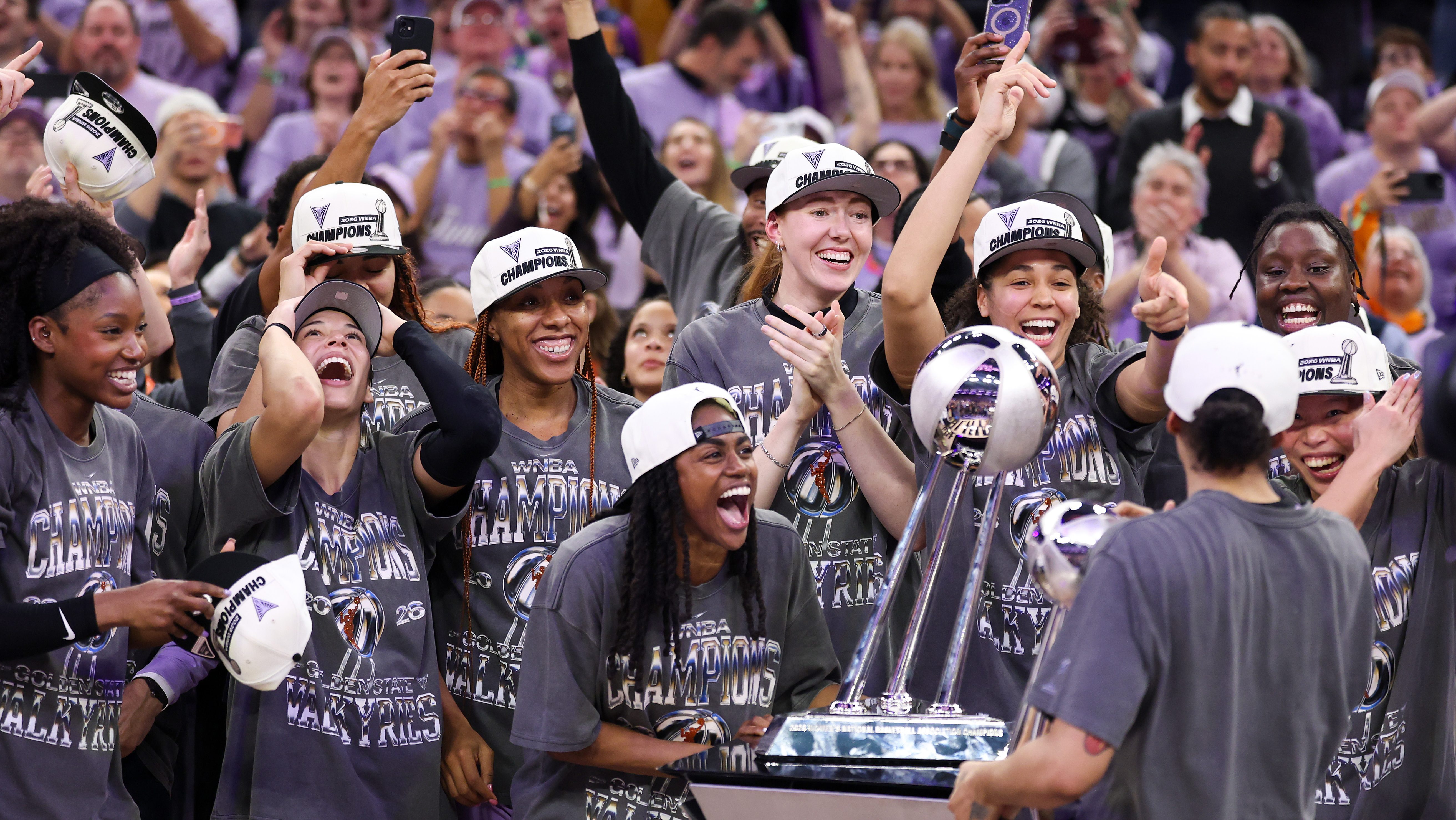
Gabby Williams delivered a historic performance in the first-ever Game 7 of the WNBA Finals, cementing the Golden State Valkyries' place in history with a 68-63 victory over the Atlanta Dream. Her 30-point explosion in the decisive game, including a record-setting 28 points in the second half, was not just a personal triumph but proof of the league's evolving dynamics. Williams' performance highlighted a shift away from the reliance on a singular, marketable superstar to drive the league. Instead, it showcased how a collective force of talent can redefine success in the WNBA. This game wasn't just about who scored the most points, but about how a team effort can alter the narrative of women's sports, proving that the W's future is bright and diversified.
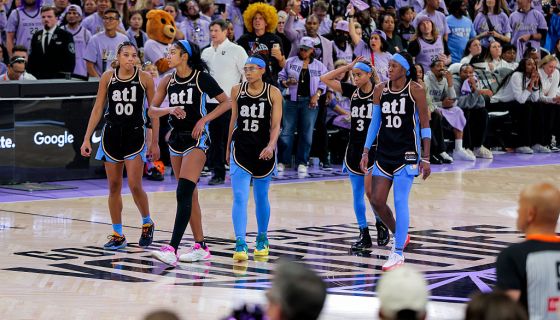
The Valkyries' championship win isn't just about a single game; it's the story of an expansion team defying odds in only their second year of play. In a league often dominated by established franchises, the Valkyries have shown that well-crafted strategy and vision can turn a collection of overlooked players into champions. While the Atlanta Dream, with stars like Angel Reese making headlines, represented the traditional path of acquiring marquee talent, the Valkyries' approach was different. Built initially from those left unprotected in an expansion draft, they exemplified the power of astute team-building. Williams, a recent acquisition, was the critical piece that pushed them over the edge. As reported by Andscape, her arrival from the Seattle Storm wasn’t just about adding skill but infusing a sense of purpose and identity into the squad.
The Valkyries' rise underlines a greater shift within the WNBA, reflecting how leadership can be transformative when it is intentional and inclusive. Head coach Natalie Nakase, alongside president Jess Smith and GM Ohemaa Nyanin, has crafted a culture that values diversity and empowerment, allowing a diverse and potent roster to flourish. Nakase articulated this vision perfectly: 'When you have hard-working leaders that really want to help women’s sports, I think that really is what matters.' Her words resonate beyond the court, capturing the essence of a triumph rooted in collaboration and vision. It's a leadership style that doesn't just focus on winning games but also on building a legacy where players feel valued and inspired to push boundaries, setting a template for success in women's sports.
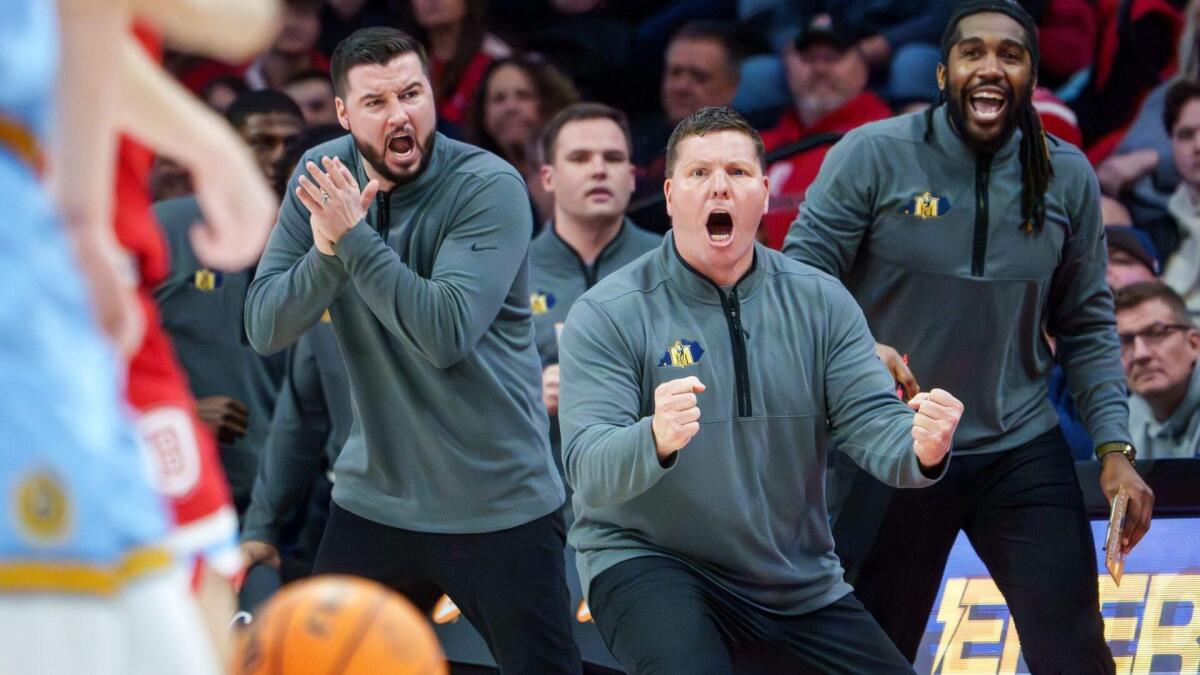
The Valkyries' success is significant for women’s sports, challenging the notion that a league needs a singular superstar to thrive. The WNBA's growth, driven by increased competitive balance and talent depth, is reshaping the world of professional women’s basketball. This shift is reminiscent of Tennessee State's showdown with Murray State in 2026, where the game transcended the court to become a statement of identity and progress. The Valkyries’ victory is emblematic of a broader narrative that champions diversity and collective effort over individual stardom. By redefining what it means to be successful, this win speaks to a future where women's sports can stand on their own merits, attracting audiences who appreciate the depth and complexity of the game.
This win also showcases the importance of leadership and vision in nurturing talent. The Valkyries' strategic decisions during their expansion draft and free agency were pivotal, focusing on unprotected players who were overlooked by other teams. This approach mirrors the way smaller universities cultivate talent in college sports, demonstrating that with the right leadership, hidden gems can be polished into shining stars. By leveraging undervalued resources, the Valkyries have not only succeeded on the court but have also laid a blueprint for how the league can sustain and even thrive with further expansion. Their success suggests that the WNBA is ready to broaden its horizons, accommodating more teams and offering more opportunities for talented athletes to excel.
The evolution of the WNBA reflects the dreams set forth when the league was founded in 1996. At the time, backed by NBA muscle, they envisioned strong audiences, full arenas, and recognized stars who could elevate women's basketball to new heights. Today, those initial aspirations are becoming a reality, with the Valkyries and players like Gabby Williams leading the charge. Their success is a tangible manifestation of those early dreams, echoing the growth seen in other culturally significant movements such as the Afrobeats collaboration, which celebrates melanin-infused excellence. This parallel between sports and culture shows a broader narrative of progress, where diverse voices are amplified, and excellence is celebrated across multiple arenas.
The Valkyries' triumph is proof of a collective identity, rather than a single figurehead.
The WNBA is proving that a single face isn't needed for success when talent and leadership come together.
For the athletes, this moment showcases the increasing breadth and depth of opportunity within the WNBA. It signals to young players that they can be part of something monumental, regardless of being labeled as 'the face' of a league. This resonates with wider discussions about representation, mirroring Megan Thee Stallion’s impact on culture through her unique brand of excellence. Just as she has redefined what it means to be a cultural icon, the Valkyries' victory emphasizes that success in sports can be a collective triumph, not just an individual accolade. It encourages athletes to embrace their roles as part of a larger narrative, one where teamwork and shared goals are as celebrated as individual achievements.
For the WNBA, the Valkyries' victory might be a turning point in how the league markets itself. As they court sponsors and broadcast partners, they’ll be leaning into narratives that highlight depth, resilience, and diversity, moving away from the traditional focus on singular star power. This approach mirrors broader industry trends where multidimensional storytelling often trumps the old singular star model. By embracing these narratives, the WNBA can appeal to a wider audience that values inclusivity and collective achievement. This shift could redefine the league's image, making it more appealing to a new generation of fans who are looking for stories that resonate with their own experiences and values.
For the audience and the community, it's a reminder of the power of collective identity. The Valkyries' story is one of collaboration, echoing the dynamics seen in Papoose and Eazy The Block Captain's feud, where the collective energy often becomes the main event. This narrative challenges fans to invest in the entire league, not just a few spotlighted individuals, fostering a deeper connection to the sport as a whole. It's an invitation to appreciate the game's richness and complexity, recognizing that the true essence of sports lies in its ability to bring people together, transcending individual achievements to celebrate shared victories and communal aspirations.
Advertisement
Underneath it all, the Valkyries' success challenges systemic norms about women's sports, historically plagued by struggles for visibility and legitimacy compared to their male counterparts. The Valkyries, led by a diverse front office, exemplify how empowering leadership can foster remarkable achievements. This victory is a blueprint for how sports can evolve when diversity and talent are allowed to flourish. It's proof of what can be achieved when barriers are dismantled, and opportunities are created for all. By challenging outdated perceptions, the Valkyries are not just winning games; they're reshaping the narrative around women's sports, proving that with the right support, the potential for greatness is limitless.
Looking ahead, the Valkyries’ success will undoubtedly inspire further investment in women's sports, both financially and in terms of talent development. It’s a moment not just for celebration but for reflection on what more can be achieved. The WNBA, with its expanding talent pool, is poised for greater heights, and this championship signals growth, not just for the Valkyries but for the entire league, a narrative still being written. This victory is a call to action for stakeholders to continue investing in women's sports, recognizing the immense potential it holds for shaping the future of athletics and inspiring the next generation of athletes and fans.