Charlamagne Apologizes to Reesa Teesa: What Changed?
By Jasmine Reed, PowerVault Staff Charlamagne Tha God apologized to Reesa Teesa face to face over his “big back behavior” comment, but her response deserves equal billing. During her November 10 Breakfast Club appeara...
Advertisement

By Jasmine Reed, PowerVault Staff
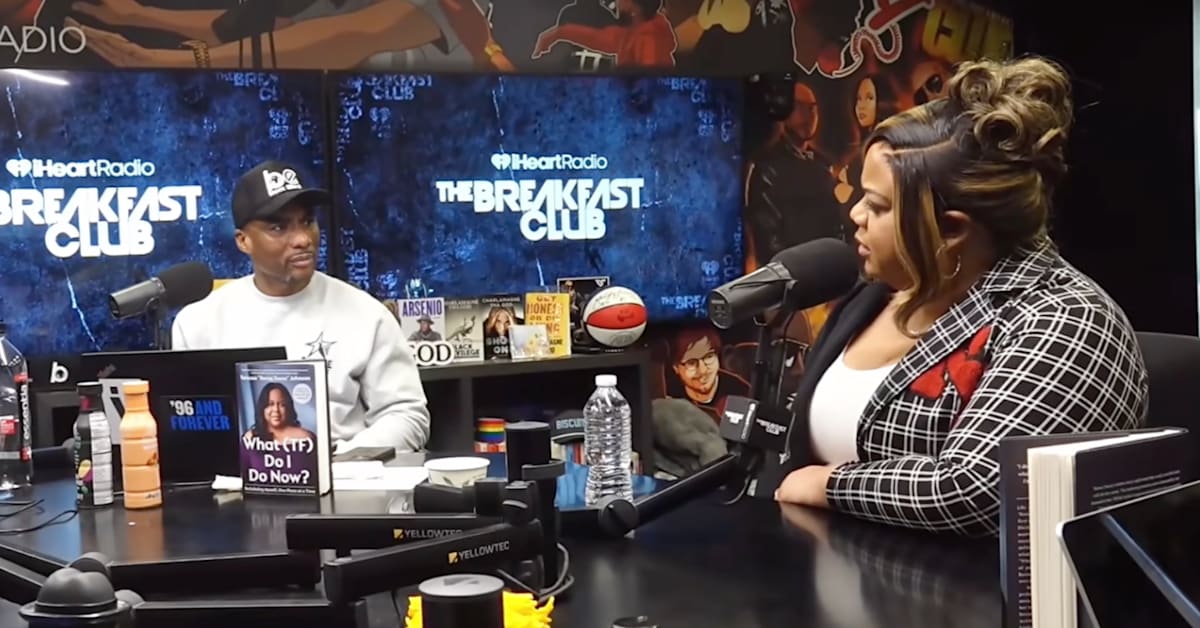
Charlamagne Tha God apologized to Reesa Teesa face to face over his “big back behavior” comment, but her response deserves equal billing. During her November 10 Breakfast Club appearance, the viral storyteller accepted his apology and explained how other people amplified the hurt. She also corrected the record about what he actually said. That combination matters. Reesa did not have to exaggerate his words to explain their impact, and she did not surrender her point to make the room comfortable. The news is the apology. The lesson is how precisely she held him accountable without handing over control of her own experience.
The exchange happened near the 51 minute mark of The Breakfast Club interview, after DJ Envy asked about the criticism that followed her viral TikTok series, Who TF Did I Marry? “I wish I didn't contribute to that either, by the way,” Charlamagne interjected before Reesa answered. Envy asked whether he was apologizing. Charlamagne said he had already apologized on air, although Reesa appeared unaware of that earlier statement. Then came the direct version: “I apologize for contributing to that.” She thanked him. No guessing whether the message reached her this time. An apology broadcast to listeners and an apology heard by the person affected are not always the same event. This conversation finally put both people in the room.
Charlamagne also said he “really did not know what you looked like” when he made the remark. That explanation addresses intent, but it cannot settle impact by itself. His original words came during Jess Hilarious’ “Jess with the Mess” segment in February 2024, when the hosts discussed Reesa’s 50 part TikTok account of dating, marrying and divorcing her former husband. He said he had heard “a lot of big back behavior.” The distinction between describing someone’s body and attaching a body insult to behavior became central to their conversation. Reesa acknowledged that difference herself, while making clear that a major platform gives those words reach beyond the studio. The interview below lets listeners hear the apology and Reesa’s response together.
That exchange shows Reesa making a distinction that plenty of reaction posts could easily flatten. “He technically did not call me a big back. He said the behavior was big back,” she told The Breakfast Club. She still insisted that people with major platforms must consider how their language travels. Reesa said she encountered commentary about the clip before watching it herself, which shaped her initial reaction. She also said others used the remark for views and likes, making it worse. That was her assessment of the amplification, not evidence that every person discussing it acted in bad faith. Keeping those two things separate is part of reporting her fairly.
Reesa had previously described the remark as hurtful during a March 2024 appearance on The Tamron Hall Show, without naming Charlamagne. His earlier on air apology, reported by iHeartRadio, acknowledged that he had disturbed her peace. The current interview therefore represents a direct conversation after an earlier public response, not his first acknowledgment of the issue. Reesa also explained that being comfortable with her own size did not make public scrutiny painless. “I've been a big girl my whole life,” she said. Knowing her body and hearing strangers debate it were different experiences. Nobody needs a lesson in self acceptance from the people making them a punchline. That distinction is worth carrying into the video below.
The clips sit within a much older media habit: treating women’s bodies as public discussion material. Oprah Winfrey’s 1988 television appearance pulling a wagon of fat remains a famous example of weight becoming a broadcast spectacle. The circumstances differ, but the appetite for turning a Black woman’s body into programming is familiar. Music coverage has its own version, where appearance can crowd out craft, ownership and achievement. PVN’s coverage of Lil Kim’s Hard Core turning 30 offers another occasion to center the work. These examples are not interchangeable. They do expose a persistent editorial choice about what audiences are encouraged to notice first. When the body becomes the headline, the woman’s actual contribution gets pushed down the page. Reesa arrived with a book and a life beyond the marriage. Neither should have to compete with a recycled punchline.
The real test is whether accountability changes the next segment, not merely improves this one.
An apology should return the microphone, not purchase a character reference.
Reesa deserves credit for refusing the narrow roles these interviews often offer women. She did not have to perform endless hurt to prove the comment mattered. Nor did accepting an apology require her to announce that everything surrounding it was harmless. An apology should return the microphone, not purchase a character reference. Her correction of Charlamagne’s wording made her criticism more credible, not less serious. She gave him credit for the distinction without giving the platform a pass. That is composure, not permission to repeat it. There is power in saying exactly what happened and stopping there. Black women should not have to build a perfect case before receiving basic consideration. Still, her precision offered a useful model: accept what feels appropriate, clarify what is wrong, and keep ownership of the experience.
For radio and digital entertainment, the bigger issue is how a passing joke becomes a portable product. A full conversation contains tone, context and responses. A short clip can travel without any of them. That does not make editing inherently dishonest, and nothing here proves a coordinated campaign against Reesa. It does mean hosts should anticipate that their sharpest phrase may outlive everything surrounding it. The original show gets the moment; reaction accounts can get another round of attention from the same sting. Charlamagne saying he did not know her appearance explains his perspective at the time. It leaves another question standing: why should size be shorthand for behavior worth mocking? The stronger industry standard would retire the shortcut, rather than wait to learn who it landed on.
The audience has a job here, too, and it starts before hitting share. Reesa said hearing the commentary first changed how she received the clip. That is a practical warning about letting somebody else’s outrage become the only available context. Watching the original does not obligate anyone to defend Charlamagne. It gives the criticism a firmer foundation. Her account also leaves room to reconsider an initial reaction without pretending the hurt never happened. That deserves attention, not another argument. Group chats can hold two truths without calling an emergency meeting: the wording matters, and the harm can still be real. Corrections deserve circulation, too. A community that wants better media cannot reward only the version that delivers the biggest insult, then ignore the person involved when she adds facts that complicate it.
Race and money shape this exchange without requiring a secret publicity plot. Black women who tell painful relationship stories can attract interest while also facing demands to explain their looks, judgment and worthiness of love. Reesa’s appearance was also a book promotion, which makes editorial priorities worth watching. Was the audience invited to meet an author, or mainly to revisit her embarrassment? A promotional stop can address controversy without letting it swallow the work. The distinction matters when a viral storyteller is building a career. That question applies beyond this interview. PVN’s coverage of Hercy Miller playing Master P in Snoop’s biopic touches another storytelling arena where representation carries stakes. Commercial opportunity does not erase vulnerability, and securing a platform should not require making humiliation the price of admission.
Advertisement
Reesa came to discuss What (TF) Do I Do Now?: Reclaiming Myself, One Piece at a Time. She told The Breakfast Club it covers her life before the marriage and lessons from going viral, rather than retelling the TikTok series. Variety has also reported a television adaptation starring Natasha Rothwell in development since 2024. That remains a development report, not a release promise. The next chapter worth watching is how much room Reesa gets to define herself beyond the story that introduced her. Charlamagne’s apology belongs in the record. So does her work. Let the apology close a tab, not become the title of her life.
More from PowerVault Network: