K-Ci and Mary J. Blige: Why the Vegas Duet Fell Through
By Malik Carter, PowerVault Staff K-Ci says he declined Mary J. Blige’s Las Vegas residency invitation because he had Jodeci tour promotion scheduled in New York. Fans heard a missed R&B moment. His explanation, thoug...
Advertisement

By Malik Carter, PowerVault Staff
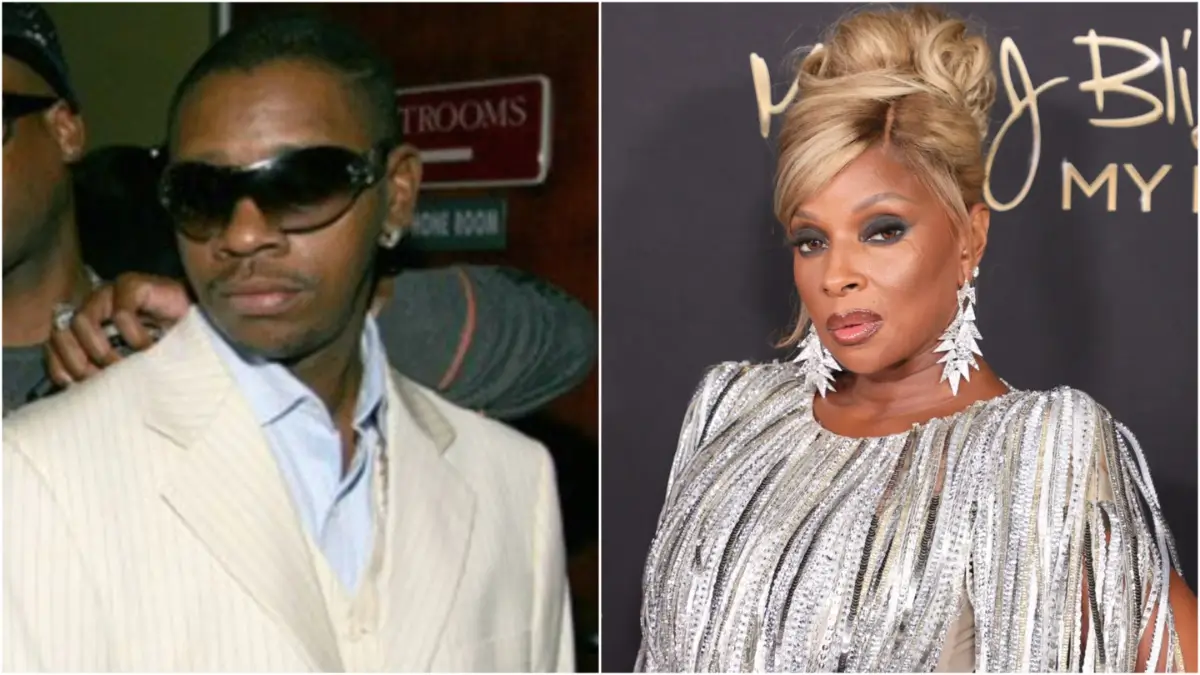
K-Ci says he declined Mary J. Blige’s Las Vegas residency invitation because he had Jodeci tour promotion scheduled in New York. Fans heard a missed R&B moment. His explanation, though, was about work, not a fresh falling out with his famous ex. That distinction matters before the group chat starts assigning villains. A surprise appearance could have put two defining voices of 1990s R&B back on one stage. That kind of history sells a fantasy quickly, especially when the audience already knows the emotional weight behind the voices. But the available account does not establish that Mary requested a particular duet, much less that either singer promised fans one.
During a Nov. 2 Hot 97 interview with Nessa Diab, K-Ci appeared alongside Jodeci member Mr. Dalvin and discussed Mary with affection. “I’m so proud of her. I wish her nothing but the best,” he said. He also offered a specific explanation for missing her “My Life, My Story” residency at Park MGM. “She wanted me to join her on a residency. But I couldn’t do it ’cause I had to come here to see you.” He said her people had reached out and that he asked them to pass along his apology. That is his account of the invitation. The supplied reporting includes no separate statement from Mary or her team confirming the arrangements.
The reaction was less forgiving than the explanation. One commenter quoted in the source coverage wrote, “K-Ci know he could’ve slid over to Mary’s residency.” Another questioned choosing an interview over a performance with her. Fair enough: fans can picture the entrance, the first note and the collective scream before anyone checks a flight schedule. To them, the invitation sounded like an event, while the promotional stop sounded like something a team could reschedule. Still, those comments establish disappointment, not proof that the appearance was practical. Nobody outside the booking conversations has enough information to price the trip, rearrange his commitments or determine who could approve a change. That disappointment frames the social post below.
The post above should not replace the central distinction in K-Ci’s account: he described a scheduling conflict, not a personal rejection. Jodeci’s reported 36 city tour celebrates the 35th anniversary of “Forever My Lady,” running from Oct. 24 through Dec. 19. According to the source report, Mary’s latest residency date was Oct. 31, with more shows scheduled for February 2027. The interview’s recording date remains unclear. So “this past weekend,” his description of the outreach, cannot safely become an exact booking date. A Nov. 2 publication date tells us when the conversation reached viewers, not necessarily when the artists were available. Those missing details keep this from being a simple case of choosing a microphone over Mary.
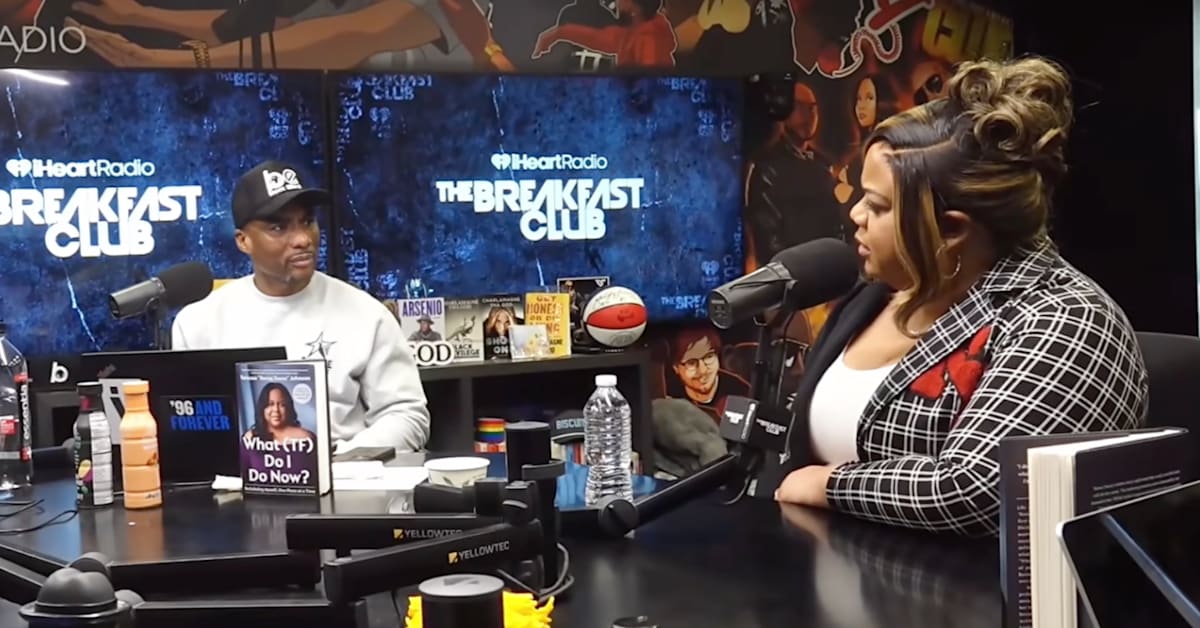
K-Ci also acknowledged a different missed opportunity: a joint album that never happened. “I would have loved to. It would have been nice. It would have been real nice,” he told Nessa. That is an expression of interest, not an announcement that something is coming. Asked about sing-offs during their relationship, he answered, “Mary ain’t try. She knew better than that.” The competitive swagger makes an easy clip, but his praise belongs beside it. A joke about vocal competition is not evidence of a professional dispute, and an unrealized album is not a shelved project with confirmed sessions. Hearing both matters when a short excerpt can make fond recollection sound like another round of rivalry. The interview below provides the setting for those remarks.
The interview’s backward glance reaches into a foundational stretch of Black music. Jodeci released “Forever My Lady” in 1991. Mary’s “What’s the 411?” followed in 1992, then “My Life” in 1994. Their voices helped define an era when gospel feeling met hip hop’s attitude without asking permission. Their personal history is less tidy. The supplied reporting places their engagement in 1996, while K-Ci now describes a four year relationship. A 2015 account from The Jasmine Brand documents his earlier discussion of their relationship. The source coverage also quotes him describing “10, 12 years of a relationship” in a now deleted 2015 “The Breakfast Club” interview. That is a substantial difference, not a rounding error. The conflicting duration claims should stay unresolved here. Loving those records does not require pretending every memory arrives with matching dates.
The real missed opportunity would be letting reunion fantasies shrink what either artist has built.
Mary J. Blige does not need a reunion with an ex to certify the woman she became.
Mary J. Blige does not need a reunion with an ex to certify the woman she became. K-Ci’s praise can be welcome without becoming the final stamp on her growth. His phrase about her becoming the woman he believed she could be deserves that distinction. She did the work of sustaining the career; the credit stays with her. Her residency is itself a statement of continuing audience demand, not a waiting room for a former partner to arrive and complete the picture. Nor does accepting a professional invitation require fans to read romance into it. PVN’s coverage of Keyshia Cole and Skrilla offers another entry into the conversation about public expectations around famous relationships. People can appreciate a connection without making a woman’s next chapter depend on its return.
The industry question is more useful than the easy insult: what exactly would have needed to move? A guest appearance can require travel, rehearsal, production coordination and agreement between teams. Those are general booking realities, not confirmed obstacles in this case. Even a brief cameo needs a place in the show; adding another major voice is not always as simple as handing over a microphone. An interview can also support ticket sales across multiple markets, especially during an anniversary tour. That does not prove K-Ci made the smartest choice. It means fans lack the information needed to declare the choice foolish. Publicists love a clean explanation, and “scheduling conflict” is certainly clean. Responsible coverage should neither swallow it whole nor manufacture a secret feud to make the story taste better.
Fans deserve room to be disappointed without getting scolded for caring. For younger listeners discovering these catalogs through family playlists, a shared stage could connect the voices to living performers. Older fans might hear a piece of their own history return. There is joy in that, and Black audiences deserve those big musical moments. A room singing along can turn private memories into a communal celebration, which is part of why this invitation caught people’s attention. The limit comes when buying into an artist becomes buying authority over their choices. Nostalgia can ask for an encore. It cannot demand personal access, reconciliation or a performance on command. The best response is to celebrate the possibility while keeping the people involved larger than the scene fans have already directed in their heads.
Black legacy acts face a particular squeeze: audiences want the old magic, while the business must keep finding ways to sell it. Anniversary tours and residencies offer different routes toward that goal. One takes the catalog across cities; the other asks audiences to travel to the catalog. Neither format automatically makes an artist less ambitious or less relevant. Keeping those songs onstage also gives audiences a chance to recognize the vocal skill and performance choices behind records they may know by heart. PVN’s look at Prince’s “3121” Las Vegas live release connects naturally to that larger question of how Black musical history keeps reaching listeners. Mary and Jodeci deserve serious attention as working artists, not treatment as a nostalgia vending machine. Their present labor matters alongside the memories.
Advertisement
February 2027 is the next reported window to watch for Mary’s residency, not a promised reunion date. Jodeci’s anniversary run is scheduled to finish Dec. 19. That leaves fans with future possibilities, but no confirmed appearance, joint album or duet announcement. Any new development should come from the artists, their representatives or an actual booking announcement, not wishful arithmetic about their calendars. Until then, both catalogs remain worth celebrating without turning a missed invitation into a character trial. If these two voices eventually share a stage again, let the music be the event, not a demand that their past perform too.
More from PowerVault Network: