Chiefs vs Falcons: Who Carries the Week 10 Pressure?
By DeShawn Price, PowerVault Staff Patrick Mahomes enters Chiefs vs Falcons with a bruised right elbow and more institutional security than Michael Penix Jr. Can lean on. That difference matters before either quarterb...
Advertisement

By DeShawn Price, PowerVault Staff
Patrick Mahomes enters Chiefs vs Falcons with a bruised right elbow and more institutional security than Michael Penix Jr. Can lean on. That difference matters before either quarterback takes a snap. Kansas City arrives at 6 wins and 2 losses, according to DAZN’s preview, while Atlanta sits at 3 wins and 6 losses. Both quarterbacks face pressure, but it comes with different consequences. Mahomes must keep a contender moving without asking his throwing arm to carry everything. Penix must help stop a losing stretch without becoming the convenient explanation for an entire team’s problems. One organization can lean on established answers. The other must show its quarterback that finding answers is a shared responsibility.
The DAZN preview lists Andy Reid’s Chiefs visiting Kevin Stefanski’s Falcons at Mercedes-Benz Stadium for Week 10. Its injury reporting offers encouragement for Kansas City: Mahomes participated fully in practice on November 11 and 12 after taking a hit against the New York Jets. Full participation does not settle every medical question, and the preview leaves his final injury designation unresolved. It also does not provide a kickoff time. Those gaps matter for anyone making viewing plans or treating his availability as settled. Practicing fully is encouraging evidence, not permission to assume every play in the offense carries the same physical cost. The football question remains whether Kansas City can distribute responsibility rather than simply trust its most accomplished player to manage discomfort.
Kenneth Walker III gives Reid a practical way to do that. DAZN credits him with three touchdowns in the victory over the Jets, production that should make balance more than a coaching slogan. Calling runs is not automatically protecting a quarterback, though. The offense needs manageable passing situations, credible protection and receivers who finish routes on schedule. Failed early downs can leave Mahomes facing exactly the obvious passing situations Kansas City should want to avoid. Rashee Rice, Xavier Worthy and Travis Kelce offer different answers when a defense crowds one area. Kansas City’s advantage is the ability to change the assignment without changing the quarterback. That is the standard worth applying to this matchup, rather than judging Mahomes by toughness alone. The accompanying video appears below.
Josh Downs adds another possibility, not an instant solution. DAZN cautions that the new Chiefs receiver still needs time to learn the offense, and that distinction deserves more attention than a transaction announcement usually gets. A playbook is workplace knowledge. Terminology, route adjustments and the quarterback’s expectations all determine whether talent becomes useful on Sunday. Demanding immediate production from a newcomer can hide the teaching required from coaches and teammates. Kansas City should not need Downs to rescue anything immediately. Rice, Worthy and Kelce already give Reid options. The smarter measure is whether his eventual role makes those pieces work better, rather than whether his first appearance supplies a headline.
Atlanta’s path starts with Bijan Robinson, who exceeded 100 rushing yards during the Falcons’ 34 to 17 loss to Cincinnati in Madrid, according to DAZN. That production did not prevent a decisive defeat. It does suggest the offense has something reliable to build around as Penix tries to recover. Drake London and Kyle Pitts can attack different spaces, but those opportunities depend on protection and favorable situations. Chris Jones threatens both by disrupting the pocket from the inside. Interior pressure can erase a quarterback’s room to step into a throw before a receiver’s route develops. Atlanta cornerback A.J. Terrell faces a different assignment: making Kansas City work instead of surrendering easy completions that keep its offense comfortable. A second accompanying video follows below.
Black quarterbacks have spent generations answering questions that reached beyond their actual assignments. Doug Williams became the first Black quarterback to start and win a Super Bowl in January 1988. Thirty five years later, Mahomes and Jalen Hurts became the first Black quarterbacks to start against each other in that game. Those milestones mark real progress. They do not erase the old habit of treating Black quarterback performance as evidence about leadership, intelligence or an entire group’s suitability. Mahomes has helped expand what excellence at the position looks like. Penix deserves the freedom to develop without carrying a referendum that white quarterbacks have rarely been asked to carry collectively. Representation cannot mean celebrating Black excellence while withholding permission for ordinary growing pains. A young quarterback’s bad read should remain a football mistake, not become an argument about who belongs under center.
The fair question is not who looks tougher, but whose organization makes the job possible.
A quarterback can own the mistake without owning every failure that made it possible.
Mahomes should not need an elbow injury to prove commitment to a franchise he has already helped define. Football celebrates availability so aggressively that sensible workload decisions can sound like character defects. That is backward. If Walker can carry more responsibility, using him is competent roster management, not a concession about the quarterback. The same applies to quick throws and protection help. A team paying for exceptional quarterback play should protect the conditions that produce it. Reid’s responsibility is to build a plan around what his quarterback can do, not make improvisation the insurance policy for everything else. Fans can respect the player’s competitiveness without demanding a weekly demonstration of pain tolerance. The useful question is what Mahomes can execute effectively, not how much discomfort he can make the audience forget.
Penix deserves a different kind of protection: an evaluation that separates his decisions from Atlanta’s surrounding failures. He must read coverage, deliver accurately and avoid turning a difficult possession into a disaster. Coaches must also supply answers when Jones threatens the middle or Kansas City squeezes Robinson’s running lanes. London and Pitts cannot help merely by appearing on the depth chart. Stefanski must create throws that make their presence matter against this defense. A quarterback can own the mistake without owning every failure that made it possible. Front offices often sell patience during roster construction, then let the youngest visible player absorb the impatience. Atlanta should resist that temptation. Evaluating Penix honestly means identifying which opportunities he missed and which opportunities the offense never created. Those are different problems, and they require different fixes.
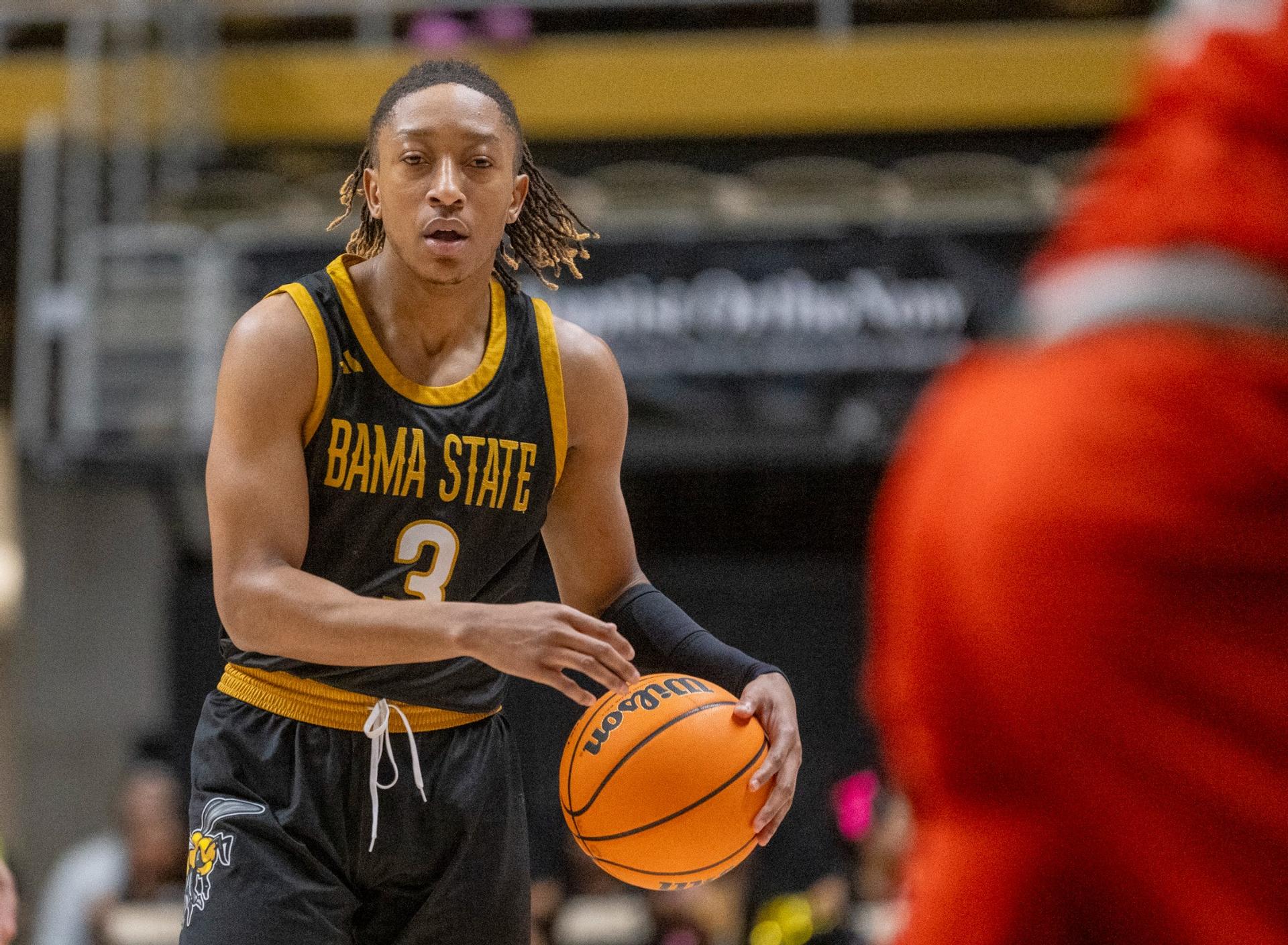
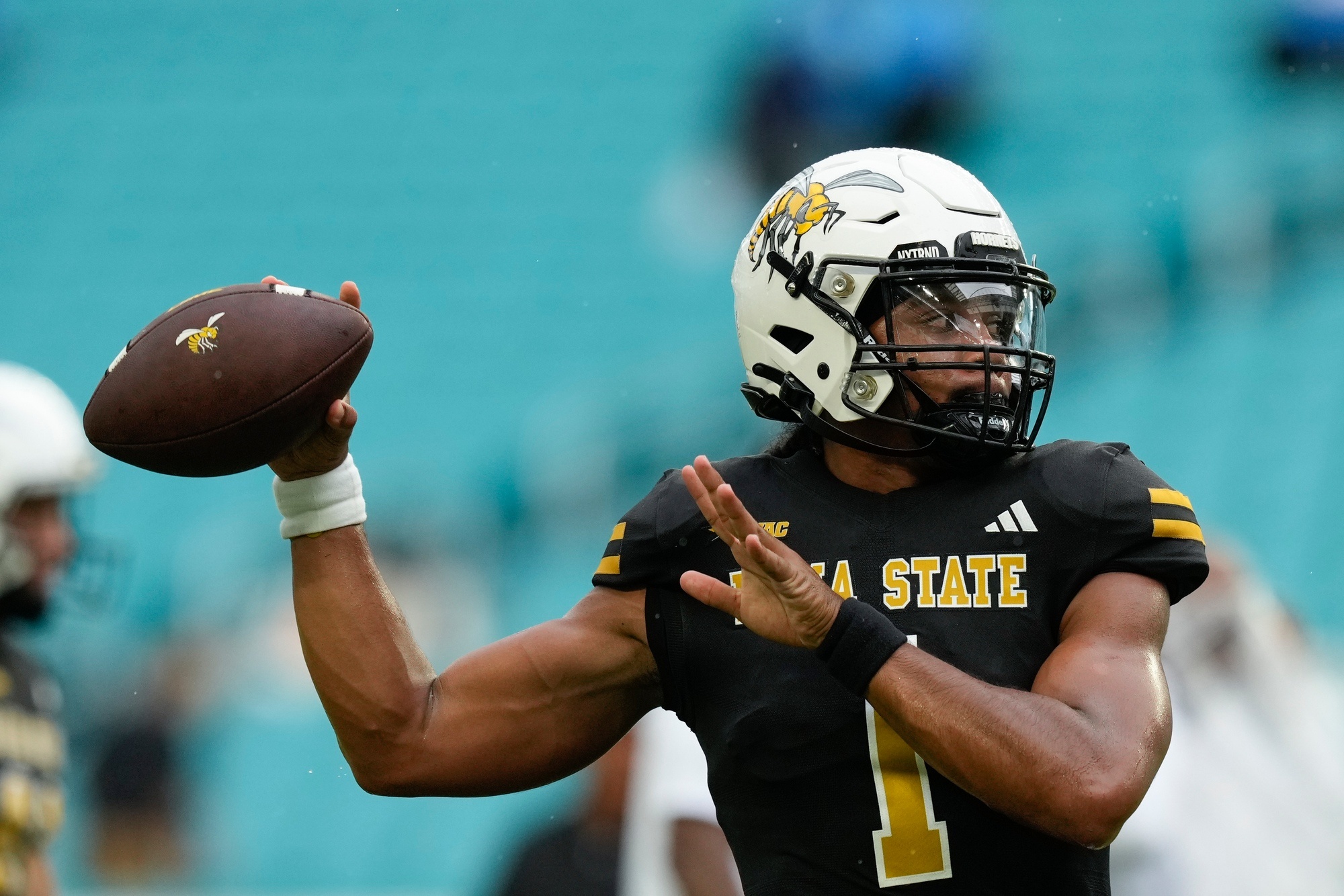
The audience has a responsibility here, too. Black fans do not owe either quarterback automatic praise, and criticism is not betrayal. The standard should be precision. Calling a bad interception a bad interception is analysis. Turning a rough afternoon into a verdict on intelligence or belonging repeats an old script with fresher graphics. The question of who receives credit also runs through PVN’s Alabama State and Jackson State coverage. Credit and blame should travel through the whole organization. Watch the protection before judging the pocket movement. Watch the available routes before deciding the quarterback held the ball for no reason. Ask whether the play offered a usable answer against pressure before praising a coordinator and leaving his quarterback to explain the failure. Better scrutiny makes accountability stronger, not softer.
The business side benefits when viewers see a star and forget the labor system surrounding him. PVN’s coverage of Shai Gilgeous Alexander and Spotify considers how an athlete’s influence becomes valuable beyond competition. NFL broadcasts sell that influence across borders, too. DAZN advertises this game through international NFL Game Pass outside the United States and China, subject to local restrictions. It offers live and replay access across supported devices. Its programming also includes Downs 2 Business, featuring Chiefs receiver Josh Downs and his brother Caleb, a Dallas Cowboys rookie. The player becomes programming beyond Sunday. Yet global visibility does not give players control over every decision affecting their bodies or careers. For Black athletes, commercial celebration and workplace power remain separate questions. Being the face on the advertisement is not the same as setting the terms.
Advertisement
Kansas City is the reasonable pick if Mahomes plays, because its established options give Reid more ways to manage decisive possessions. Atlanta can challenge that advantage by sustaining Robinson’s production, protecting Penix inside and making the Chiefs earn long drives. Watch those details before reaching for a sweeping verdict about either quarterback. Viewers outside the United States and China should check DAZN’s local availability, restrictions and confirmed kickoff information before subscribing. The final injury report also matters more than optimistic assumptions about practice participation. Sunday’s result will belong in the standings. The accountability should extend well beyond the two Black men taking the snaps.
More from PowerVault Network: