Te’Yala Delfosse: Who Gets Seen in College Basketball?
By Jasmine Reed, PowerVault Staff Te’Yala Delfosse scored 22 points against UConn, giving women’s college basketball an early reminder that its next attraction might already be on somebody’s bench. Michigan’s junior g...
Advertisement

By Jasmine Reed, PowerVault Staff
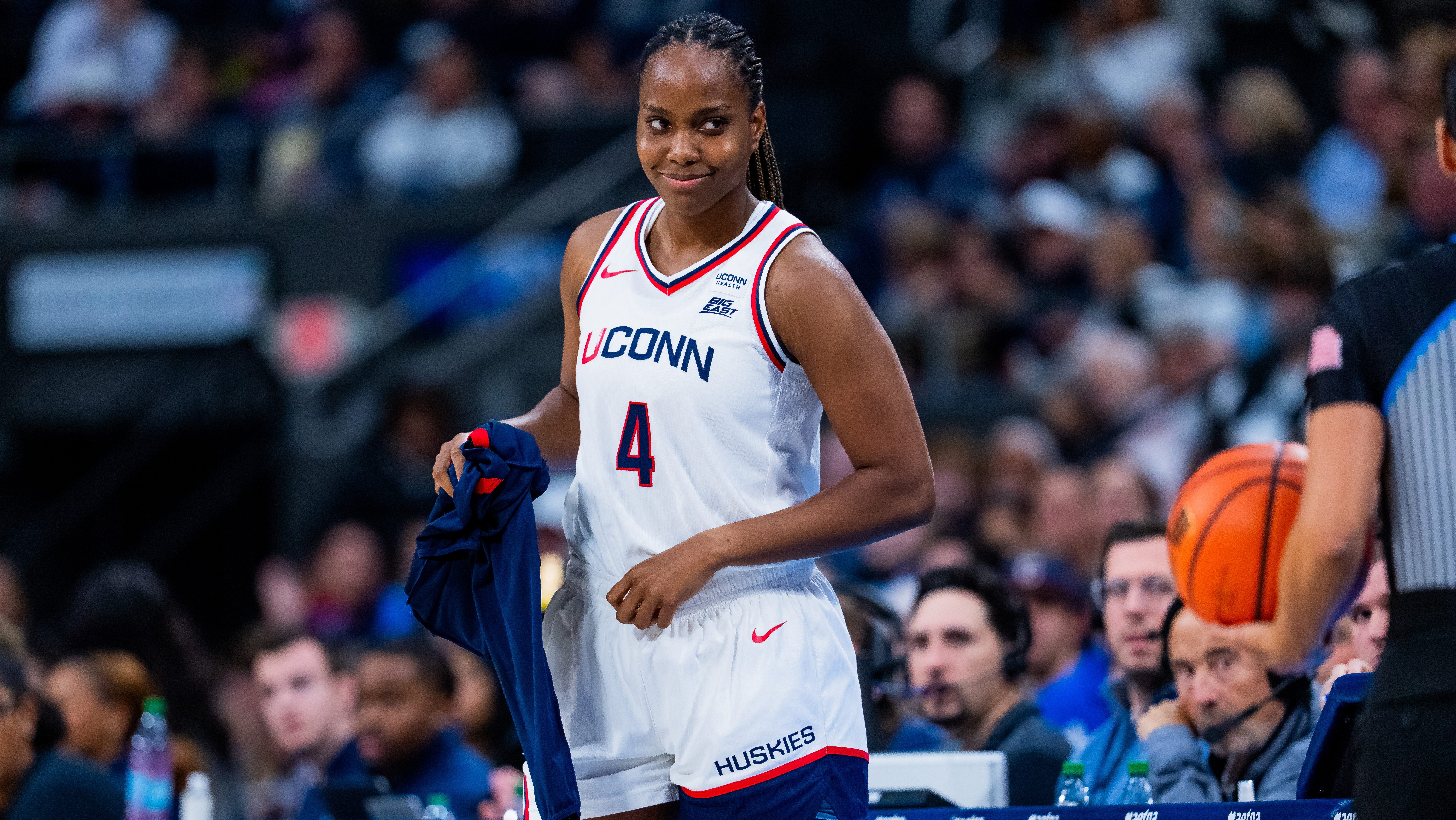
Te’Yala Delfosse scored 22 points against UConn, giving women’s college basketball an early reminder that its next attraction might already be on somebody’s bench. Michigan’s junior guard added nine rebounds in the Nov. 5 win, leading her team in scoring and everyone in rebounding. Those numbers earned attention. The more interesting development is what made them possible: a bigger role, an injured teammate’s absence and a chance to do more than support somebody else’s spotlight. For Black players outside the sport’s established celebrity class, opportunity often arrives before recognition. Keeping that recognition takes more than another good game. It takes a program willing to keep investing after the surprise wears off.
The supplied season preview places Delfosse among the Black players and coaches worth following during the opening weeks of the 2026 to 2027 season. Its wider picture includes South Carolina’s Dawn Staley, Duke’s Kara Lawson and Kentucky’s Kenny Brooks directing major programs. Sarah Strong, JuJu Watkins and Mikayla Blakes headline its national player of the year conversation. That is star power across several campuses, not one designated destination for excellence. It also puts Black coaches in direct competition for the recruits, institutional resources and championship credibility that sustain power beyond one exceptional roster. South Carolina also entered atop the preseason AP rankings published by NCAA.com. The question for this season is whether attention will spread as widely as the talent.
Delfosse gives that question a face. According to the supplied reporting, she moved from Michigan’s bench into its starting lineup and earned her first Big Ten Player of the Week honor. The Wolverines reached No. 2 while guard Mila Holloway remained out indefinitely. That distinction matters: Delfosse’s emergence is an answer to an immediate roster need, not a reason to minimize what Holloway brings. If both become available together, Michigan could gain another lineup option instead of merely surviving an absence. Coaches love depth until difficult playing time decisions arrive. Managing that abundance means explaining roles without asking the player who stepped forward to disappear again. The accompanying video provides another place to begin following the players behind this conversation.
Beyond that video, the written reporting offers another test of how closely fans are watching: Washington’s Sellers. The senior guard opened her season with a first career triple double after receiving preseason All Big Ten recognition. Her Huskies stood at No. 16 in the supplied preview. She can create off the dribble and score from distance, but conference traffic can obscure even that combination. The Alaska native brings another reminder that basketball geography and the national publicity map rarely match. A strong player on a less discussed contender must fight two opponents: the defense and the assumption that the most televised teams contain all the important talent. Washington’s postseason ambitions give readers a reason to look past the usual promotional rotation.
Vanderbilt presents a different kind of opportunity. Woolfolk arrived after contributing at Georgia, joining a roster built around Blakes and point guard Aubrey Galvan. The preview identifies the junior forward as someone who could improve Vanderbilt’s interior play and help create room for its star scorer. Galvan’s distribution could make Woolfolk more dangerous, giving coach Shea Ralph another way to punish defenses loading toward Blakes. That possibility deserves attention without turning a supporting player into an accessory. Reliable finishes, defensive possessions and passing connections can decide whether a celebrated scorer spends March chasing a title or answering questions about insufficient help. Vanderbilt’s scheduled meeting with No. 10 Iowa offers an early measuring stick. The next accompanying video sits alongside that wider discussion of opportunity.
The discussion extends beyond either video because women’s basketball has been producing Black excellence long before brands discovered its marketing potential. C. Vivian Stringer took Cheyney to the first NCAA women’s championship game in 1982. Staley won South Carolina’s first national championship in 2017, then added titles in 2022 and 2024. Her 2024 team finished undefeated. Those achievements required teaching, recruiting and sustained institutional work, not a sudden burst of public interest. Remembering that labor changes who gets credit for the sport’s growth. Television partners and sponsors can expand its reach, but they did not invent the audience or the coaching knowledge that made expansion worth buying. The distance between Cheyney’s place in history and its place in today’s coverage should trouble anyone claiming visibility naturally follows achievement. Success can open a door without giving everyone equal access to the building.
The talent has spread, but the machinery that turns talent into lasting leverage still chooses favorites.
Black women should not have to become household names before their work deserves serious coverage.
For Delfosse, the immediate task is turning one breakthrough into evidence that survives a changed rotation. Holloway’s eventual return should not automatically make either player a problem to solve. Good teams find ways to use more good players. Still, the minutes, touches and defensive assignments will reveal what Michigan actually trusts Delfosse to handle. Fans should watch those decisions rather than treating every lower scoring night as a collapse. A player can improve while scoring less if her responsibilities grow elsewhere. Can she maintain her rebounding impact when fewer possessions end in her hands? That would give Michigan value beyond an emergency scoring replacement. That is especially relevant when professional evaluators need a role they can project. The headline performance creates an introduction. The possessions afterward build the case for a career.
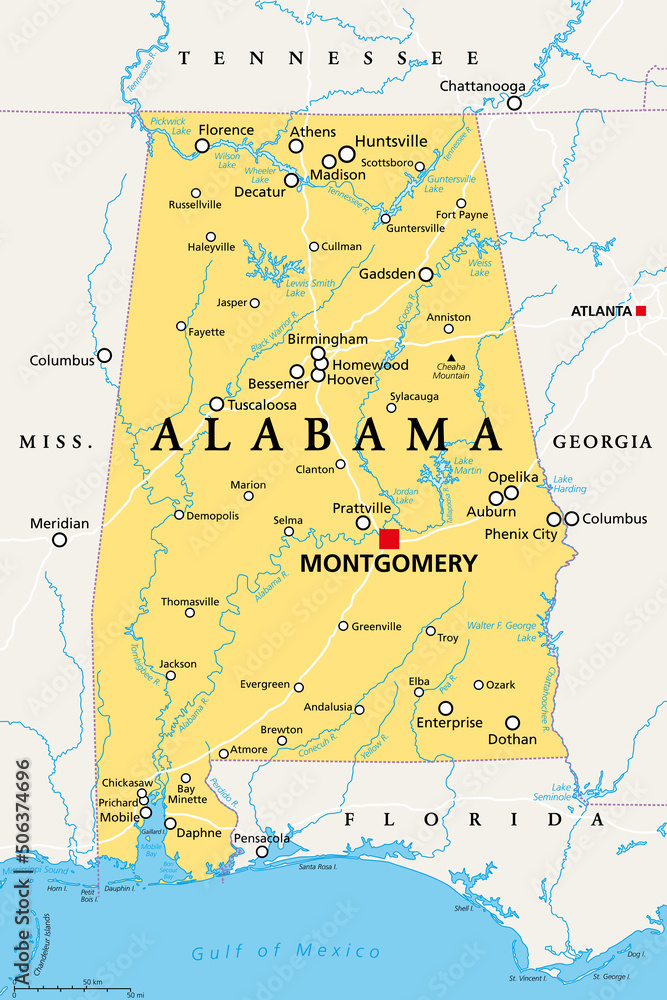
For the industry, broader competition should mean broader investment, not simply more names squeezed into the same promotional spots. Schools control communications staff, travel access, highlight distribution and the availability that helps reporters tell substantive stories. Sponsors decide whether to study a player’s audience or wait until another brand validates her first. Those are business decisions, not natural laws. A school can celebrate a breakout performance online while still failing to provide the consistent media access that helps a player become known beyond that night. Black women should not have to become household names before their work deserves serious coverage. PVN’s examination of Alabama State versus Jackson State belongs in this same conversation about who benefits from attention. Exposure has limited value when institutions cannot convert it into durable support.
For Black audiences, the challenge is resisting the star system without resenting the stars. Watkins and Strong do not receive too much attention simply because another player deserves more. The useful demand is expansion. Watch Washington before March. Learn what Woolfolk adds when Blakes draws the defense. Ask whether a coach develops players who arrived without celebrity billing. Community support becomes more meaningful when it includes ordinary games and less marketable jobs. The player setting a screen may never sell the most jerseys, but understanding her contribution makes it harder for coverage to erase her work. The concern behind PVN’s look at who gets beyond the Tuskegee homecoming gallery applies here too: appearing in the picture and receiving sustained attention are different things. Fans can help close that gap.
Money makes these distinctions sharper. Name, image and likeness opportunities can reward an athlete’s visibility, but a public following does not reveal her contract terms or financial security. No individual deal values are established in the supplied reporting. That limit matters. Popularity, compensation and ownership are separate questions, particularly for Black women whose personalities can attract both customers and punishment. Who gets called confident, and who gets told to become more agreeable? Who can afford professional advice before signing? Exclusivity provisions and rights to reuse an athlete’s image deserve scrutiny because a check can come with restrictions on future earning opportunities. A serious basketball conversation should leave room for those pressures without pretending every player experiences them identically. Counting endorsements tells less than understanding what an athlete actually keeps and controls.
Advertisement
Next comes the harder evidence: conference defenses adjusting, injured players returning and coaching staffs showing whose development they trust. UConn’s Blanca Quiñonez also warrants attention following offseason shoulder surgery, an issue covered by CT Insider’s reporting on her injury. She already earned Big East Freshman of the Year and Sixth Woman of the Year honors, establishing expectations before recovery complicated them. Her progress should be judged with recovery in view, not impatience disguised as analysis. Michigan’s rotation, Vanderbilt’s interior play and Washington’s staying power will offer other useful tests. The season deserves coverage that follows those questions beyond opening week. Black excellence should not need a championship invitation before somebody keeps watching.
More from PowerVault Network: