Courtney Clenney Manslaughter Plea: What This Case Reveals About Justice
By Simone Walker, PowerVault Staff In a Miami courtroom charged with anticipation and unresolved tension, Courtney Clenney, the former OnlyFans star whose life took a dramatic turn, stood before the judge to receive h...

By Simone Walker, PowerVault Staff
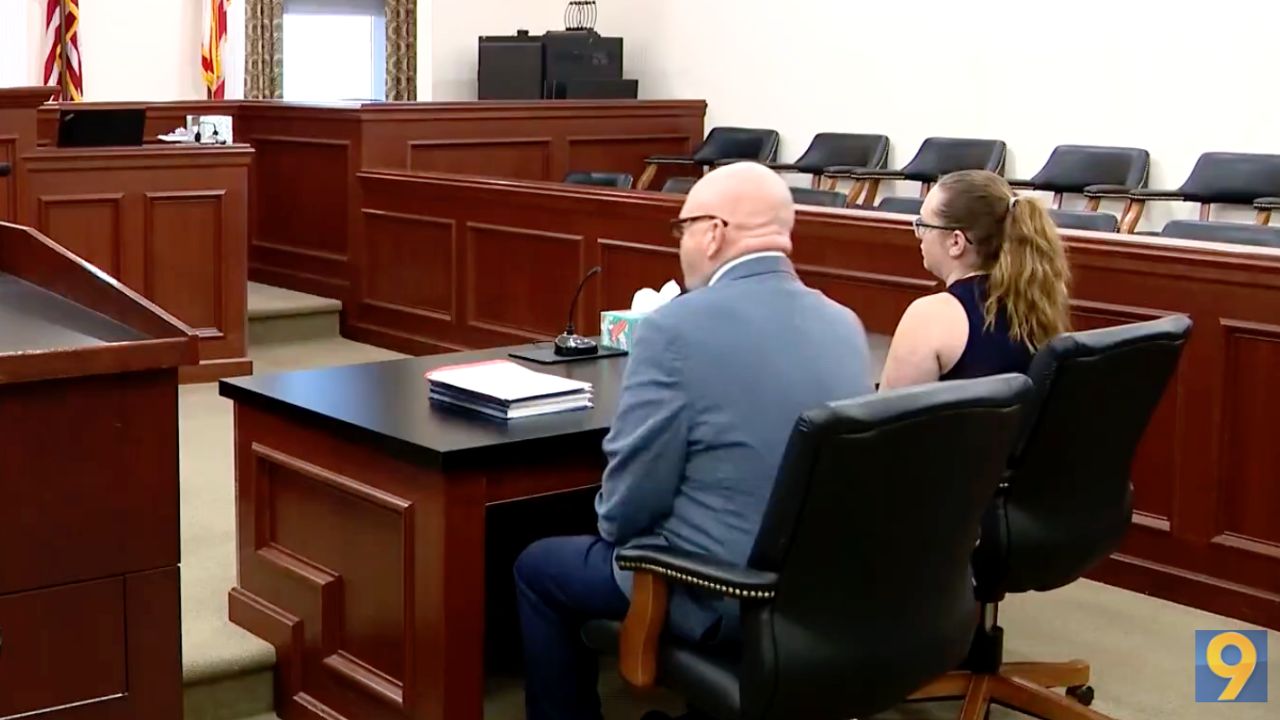
In a Miami courtroom charged with anticipation and unresolved tension, Courtney Clenney, the former OnlyFans star whose life took a dramatic turn, stood before the judge to receive her sentence. Her anxiety was unmistakable as the judge delivered a sentence of six years for her involvement in the death of her boyfriend, Christian Obumseli. Having already served nearly four years during the trial and legal proceedings, she faced the prospect of two more years of incarceration. This courtroom scene was not just an endpoint but a turning point, bringing both closure and raising profound questions about justice, accountability, and the complex web of human relationships in this emotional and layered case.
Courtney Clenney's guilty plea to manslaughter is rooted in the fatal stabbing of Christian Obumseli in 2022, a case that quickly captured public attention due to its high-profile nature and sensational elements. The plea agreement, as reported by People, concludes a protracted legal battle filled with claims of innocence, counterclaims, and conflicting narratives on both sides. Clenney's legal team argued the incident was an act of self-defense during an intense altercation. However, the medical examiner's findings and the prosecution's case presented a narrative of escalating aggression, with forensic evidence highlighting a downward knife wound that challenged Clenney's account. The case thus became a focal point for discussions on relationship violence and the complexities of legal interpretations.
April 3, 2022, remains a day of tragedy, marking the violent end of Christian Obumseli's life, just a day after Courtney Clenney allegedly communicated her desire to end their stormy relationship. Clenney claimed that from a distance of ten feet, she threw a kitchen knife that resulted in a fatal wound. However, medical experts contradicted this claim, classifying the injury as a homicide due to its nature and angle. Her narrative faced further scrutiny as she was apprehended months later in a rehabilitation facility in Hawaii, charged with second-degree murder. This arrest added layers of complexity to an already convoluted situation, highlighting the challenges in distinguishing between self-defense and culpable homicide.
The YouTube video below offers a crucial glimpse into the courtroom proceedings that captivated public attention, capturing the raw emotional undercurrents and procedural gravity of this widely publicized trial. The footage reveals the tense atmosphere of the courtroom, where every testimony and piece of evidence was scrutinized by both the defense and prosecution. It demonstrates how the legal system grapples with cases involving domestic violence and high-profile defendants, bringing to light the intricate dynamics at play when personal relationships intersect with criminal law. The video serves as a visual document of a trial that has sparked widespread debate about justice, accountability, and the role of media in shaping public perception.
Throughout the trial, the courtroom was a stage for recounting a relationship marked by violence and discord. Clenney's defense team was prepared to argue that Obumseli had been abusive, a claim that his family strongly refuted. Miami-Dade's State Attorney, Katherine Fernandez Rundle, portrayed the stabbing as the culmination of a pattern of escalating violence against Obumseli, painting a chilling portrait of their tumultuous interactions. The plea deal was not only a legal resolution but also an acknowledgment of the tragedy's profound depth, with the involvement and approval of Obumseli’s family underscoring the complexity of justice in cases involving intimate partner violence and the search for closure amid loss.
The video clip below delves deeper into the emotional testimonies and the prosecution’s arguments against Clenney, offering a closer examination of the intense courtroom drama. It provides viewers with a detailed look at the strategies employed by both legal teams, highlighting the emotional stakes involved for both families. The clip captures the challenges of presenting a narrative that aligns with forensic evidence and witness accounts, shedding light on the prosecution's efforts to demonstrate a pattern of behavior that led to Obumseli's death. Through this footage, observers gain insight into the high-pressure environment of a trial that balances personal tragedy with the pursuit of legal truth.
Cases like Clenney's are not isolated. They fit into a broader pattern of domestic violence and its deadly consequences. In 2019, NFL star Terrelle Pryor survived a near-fatal stabbing by his girlfriend. In both instances, relationships marked by volatility and violence hit tragic ends, raising questions about intervention failures and systemic lapses in addressing domestic abuse before it erupts into tragedy.
Does this plea bargain truly reflect justice served, or is it another instance of systemic imbalance?
So, here's the question: Does this plea bargain truly reflect justice served, or is it another manifestation of systemic imbalance within the justice system? Plea agreements often streamline courtroom proceedings, potentially glossing over deeper societal issues and harsher realities. They can prioritize expediency and manageability over a comprehensive exploration of justice, leaving unresolved tensions about fairness and accountability. This particular case leaves many, especially within the Black community, reflecting on whether the legal system is structured to deliver true justice or merely manage narratives and outcomes. Such cases challenge us to reconsider how justice is applied and whether it genuinely serves the needs of victims and society at large.
For Obumseli's family, this plea deal is not just a legal conclusion but a poignant reminder of their enduring loss and grief. As his brother Jeffrey expressed to People, the violent severance of familial bonds leaves a lasting void, resonating with many who have experienced similar losses in domestic violence scenarios. While Clenney's sentencing marks an official end to the legal proceedings, it cannot restore the life that was tragically cut short or heal the emotional wounds inflicted on those left behind. The resolution offered by the legal system often feels insufficient, failing to address the deeper emotional and familial scars that persist long after the headlines fade.
When scrutinized through the lens of the justice system, Clenney's case reveals disconcerting biases where wealth, race, and the perpetrator's social status appear to impact legal outcomes. This case, akin to Kaitlyn Kuhn's, shows systemic failures that haunt judicial proceedings, raising difficult questions regarding the credibility of witnesses, the representation of marginalized groups, and the impartiality of the justice process. Such influences prompt a critical examination of whether justice is truly blind or if it selectively perceives based on privilege and racial dynamics, challenging the foundational principles of equity and fairness that the legal system purports to uphold.
The racial dynamics in this case are stark and unavoidable. Christian Obumseli, a Black man, becomes yet another statistic in the intersectional complexities of race, violence, and justice. Meanwhile, Courtney Clenney, a white woman with significant social media influence, navigated a judicial scene where inherent societal biases often converge. The disparity in media portrayal and judicial treatment between the two parties is glaring, serving as a microcosm of broader systemic issues that permeate our courts. This case thus becomes a symbol of the inequities faced by people of color within the justice system, highlighting the need for critical reform and equitable representation.
As Clenney begins to serve the remainder of her sentence, the broader implications of this case continue to resonate. It prompts an urgent question about how society will address similar situations in the future. Will the justice system evolve to effectively tackle the underlying issues of domestic violence and racial bias, or will it persist in producing outcomes that seem like temporary solutions rather than genuine justice? These events challenge us to rethink societal definitions of justice, urging a reflection on what fairness truly means and how it should be operationalized within our legal institutions to prevent such tragedies from recurring.
The courtroom drama may be concluded, but the conversation about domestic violence, race, and justice systems continues. Readers, what do you make of this? We stand at a crossroads where awareness can drive change, and it's up to us to decide the direction we take.