Keffe D Lawyer’s 911 Call: What Happens to His Appeal?
By Marcus Ellison, PowerVault Staff Keffe D’s lawyer Michael Sanft was found dead before Davis’ appeal was accepted, according to reporting accompanying a released 911 call. Sanft, 55, was confirmed dead at his Las Ve...
Advertisement

By Marcus Ellison, PowerVault Staff
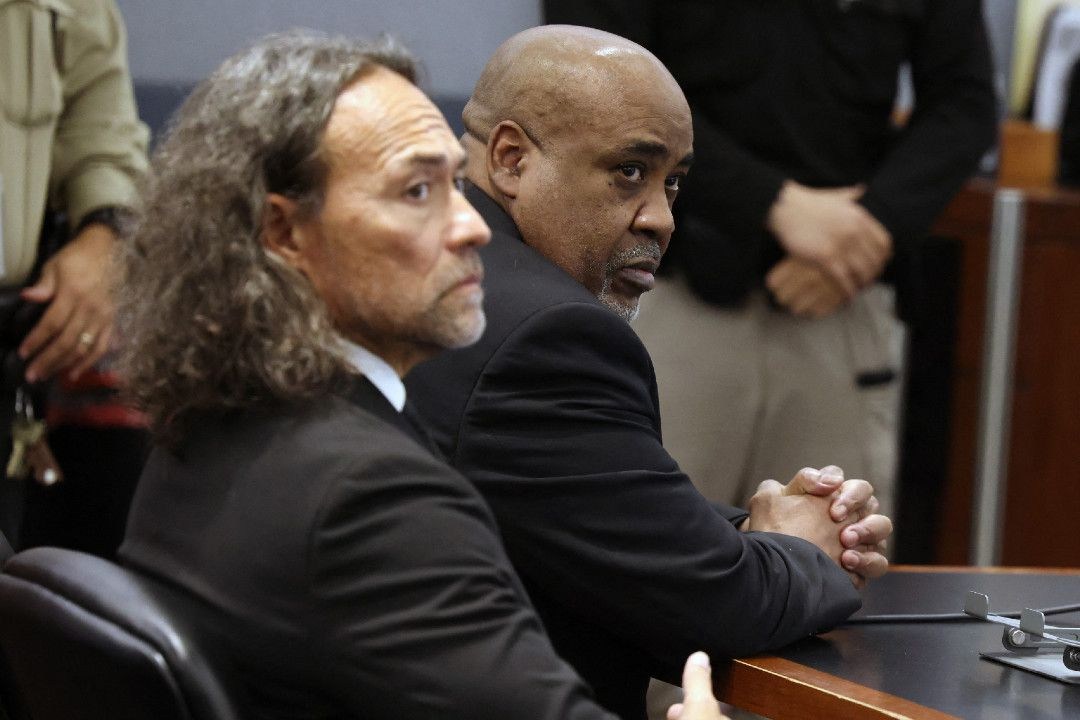
Keffe D’s lawyer Michael Sanft was found dead before Davis’ appeal was accepted, according to reporting accompanying a released 911 call.
Sanft, 55, was confirmed dead at his Las Vegas home on Nov. 6. According to XXL’s account of the emergency call, TMZ published the audio on Nov. 20. His official cause and manner of death remain pending. That last detail matters more than any speculation the recording might invite.
Two of Sanft’s coworkers went to his condo that morning, according to the report. A woman struggled to speak to the dispatcher through tears before a male coworker called back. He reported finding Sanft unresponsive on his bed and described signs he believed indicated death had occurred earlier. An accompanying video follows below.
The reported distress on that call establishes a human emergency, not a medical explanation. The coworker’s account cannot settle when or why Sanft died. Those answers remain outside the confirmed reporting. Nothing supplied about the call establishes a connection between his death and the case he was handling.
Sanft had most recently represented Duane “Keffe D” Davis in the prosecution over Tupac Shakur’s 1996 murder. XXL reports that Davis was convicted of first degree murder in August and sentenced to 40 years to life. That conviction, rather than an unresolved charge, is what his appeal challenges. A second accompanying video follows below.
Neither accompanying video changes the distinction readers need to keep straight: the conviction and the appeal are separate stages. Sanft filed a notice of appeal on Oct. 30, days before his death. The Nevada Supreme Court subsequently accepted the appeal and officially filed the case on Nov. 9, according to XXL.
Acceptance does not mean Davis won his appeal. The supplied reporting identifies no ruling overturning his conviction, reducing his sentence or accepting a particular defense argument. It establishes that the appeal entered the court’s process. Turning that procedural step into a victory headline would give readers the wrong score.
Respect for Tupac does not require treating due process as disloyalty.
PVN’s view starts with Sanft himself: his death deserves coverage beyond his proximity to a famous defendant. A person died, and coworkers encountered a loss that clearly distressed them. Publishing emergency audio does not remove an outlet’s responsibility to exercise restraint. Curiosity alone is a weak reason to turn someone’s worst morning into repeat entertainment.
The court system faces a different responsibility. An appeal needs someone who can review the record, identify arguments and meet filing requirements. A replacement attorney cannot simply inherit the original lawyer’s understanding overnight. Giving Davis time to secure counsel should be judged as a matter of meaningful legal access, not special treatment for a recognizable name.
Black audiences should not have to choose between honoring Tupac and expecting a fair legal process. Respect for Tupac does not require treating due process as disloyalty. A conviction carries weight, and an appeal deserves accurate coverage. Neither position requires fans to declare Davis innocent or abandon their attachment to the artist whose killing brought this case to court.
The language matters because a procedural update can become a false conclusion in one repost. PVN’s question about the receipts behind a Yung Miami Grammy nomination claim reflects the same editorial standard: name the exact status. Here, an accepted appeal is not a successful appeal. That distinction should survive every headline and caption.
The court has outlined upcoming filing requirements, including 120 days for an opening brief, XXL reports. It also indicated that Davis would receive additional time to secure new representation. The supplied account does not establish a replacement attorney or explain how that allowance will affect each deadline. Assigning a firm next date would go beyond the evidence.
The opening brief is the document to watch for the actual challenge to the conviction. A notice starts an appeal; it does not tell readers every argument that will follow. Nothing in the supplied reporting identifies the grounds Sanft planned to pursue. Claims about trial errors or a likely reversal would therefore be speculation.
Tupac’s place in rap history gives every development in this case unusual weight. That attachment calls for more care, not looser standards. PVN’s coverage of Chuck D’s Drake and Elton John comparison concerns a different conversation about artists and perspective. Here, perspective means remembering that affection for a legend cannot substitute for court records.
Advertisement
Next comes the search for new counsel and clarity on the appeal’s filing schedule. Watch for an attorney’s appearance, the opening brief and actual court decisions, rather than treating each administrative entry as a breakthrough. Sanft’s cause and manner of death also remain pending. Until those records provide answers, the responsible move is to leave the blanks unfilled.
More from PowerVault Network: