d4vd Preliminary Hearing: The Shocking Case of Celeste Rivas and the Dark Side of Fame
By Malik Carter, PowerVault Staff On the morning of July 21, 2025, the courtroom buzzed with an unsettling energy. Family members, friends, and curious onlookers filled the benches, their murmurs echoing the horror th...
Advertisement

By Malik Carter, PowerVault Staff
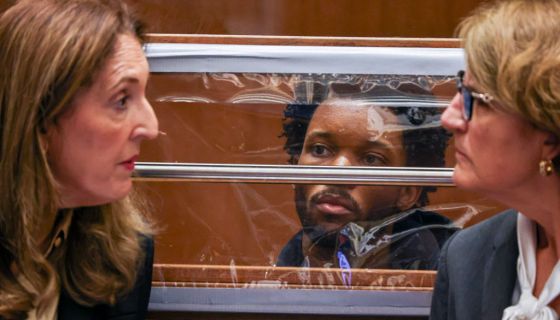
On the morning of July 21, 2025, the courtroom buzzed with an unsettling energy. Family members, friends, and curious onlookers filled the benches, their murmurs echoing the horror that had unfolded just months prior. At the center of this gathering was d4vd, the singer-songwriter whose rise to fame had been meteoric but now found himself at the center of a murder investigation. The preliminary hearing for d4vd was set against the haunting backdrop of a brutal crime,the slaying of 14-year-old Celeste Rivas Hernandez, whose dismembered remains had been discovered in a Tesla linked to the artist. This case is more than just a high-profile trial; it's a reflection of deeper societal issues that demand examination.
The details surrounding Rivas Hernandez's death are chilling. Her body was discovered late last year, and the revelations that followed were anything but ordinary. In a world where celebrity often overshadows accountability, the public grappled with the reality that a young girl had lost her life while a prominent figure stood accused. As the preliminary hearing commenced, investigators began detailing the evidence that tied d4vd to the crime, including purchases made by him following the incident, which have since raised more questions than answers. Witness testimony indicated the grim nature of the evidence presented, painting a picture that was difficult to digest.
The nature of the evidence presented during the hearing is complex. As detectives recounted the discovery of Celeste's remains, d4vd reportedly displayed no visible emotional response, sparking heated debate on social media about his demeanor and what it reveals about his character. While the legal proceedings will ultimately determine his fate, the chilling juxtaposition of a rising star accused of such a heinous act raises uncomfortable questions about the relationship between fame, mental health, and accountability. How does someone who once celebrated life and youth end up at the center of such tragedy?
This case highlights a grim reality often overlooked: the intersection of celebrity culture and systemic failures within the justice system. The justice system frequently struggles to prioritize marginalized voices, particularly those of young victims. Rivas Hernandez’s story is not an isolated incident; it reflects a persistent pattern where the lives of young, often underprivileged individuals are tragically cut short, while the perpetrators, especially when they belong to more privileged circles, frequently evade immediate scrutiny.
Public sentiment is a powerful force in cases like this. The social dynamics at play are significant. Celeste Rivas Hernandez was a child, but the way her story is portrayed reflects broader systemic issues of race, class, and gender. In a country where the lives of marginalized youth often go unrecognized, the tragic death of a young girl can become a footnote in the narrative of a celebrity's rise or fall. What does this say about us as a society? How do we prioritize justice for those who often already lack agency?
As the days of testimony unfolded, it became evident that this case was not just about a murder. It was about how society grapples with violence, fame, and the consequences of unchecked privilege. d4vd’s fame seemingly insulated him from immediate public backlash, at least until the facts became irrefutable. The question looms: will justice for Celeste be overshadowed by the spectacle of celebrity culture? Or will the courts ensure that the focus remains on the victim, rather than the accused's notoriety?
Looking forward, the implications of this case extend far beyond the courtroom. As the preliminary hearing sets the stage for what is sure to be a prolonged legal battle, it beckons a broader dialogue on how our society perceives youth violence. It compels a reevaluation of the narratives we craft around victims, particularly young girls of color. We must consider how the media's framing of such tragic events can influence public perception and, ultimately, the pursuit of justice.
This case also serves as a call to action for artists and influencers within the entertainment industry. It highlights the responsibility that comes with fame and the necessity for individuals to advocate for change in the very systems that protect privilege. Celebrities must recognize their platform's potential to elevate voices that are often silenced, ensuring that cases like Celeste’s are not merely headlines but rallying cries for transformation.
Advertisement
The outcome of d4vd’s preliminary hearing is yet to be fully realized, but every hearing, every piece of evidence presented, contributes to a larger narrative about justice, accountability, and societal values. The public must remain vigilant, asking the hard questions that often get lost in the noise of fame. Who benefits from this tragedy? Who has been silenced, and what does justice truly look like for Celeste Rivas Hernandez? These are the inquiries that demand answers as the story continues to unfold.
As the world watches this case, it is crucial for each of us to reflect on our role in shaping the narrative that surrounds these events. Let the tragedy of Celeste remind us of the lives behind the headlines, and let us commit to ensuring that her story,along with many others like it,does not disappear into the shadows of celebrity culture.