David Elijah Herrera: A Deadly Ambush That Exposes Systemic Failures
By Simone Walker, PowerVault Staff The early morning sun barely peeked over the horizon when tragedy struck a quiet neighborhood on Lindale Street in Houston. The familiar routine of dropping a child off at school tur...
By Simone Walker, PowerVault Staff
The early morning sun barely peeked over the horizon when tragedy struck a quiet neighborhood on Lindale Street in Houston. The familiar routine of dropping a child off at school turned deadly for 29-year-old Dariela Elizabeth Cardona and 41-year-old Erick Von Gerbitz. They returned home, not to the comfort and safety they expected, but to an ambush that would end both their lives. The couple had just completed what should have been a mundane task, returning to a place they thought secure. Instead, they were met by a figure from Cardona's past, one who was driven by jealousy and unresolved emotions. In the moments that followed, any hope for reconciliation or peace was violently shattered, leaving a community in shock and two families irreparably broken.
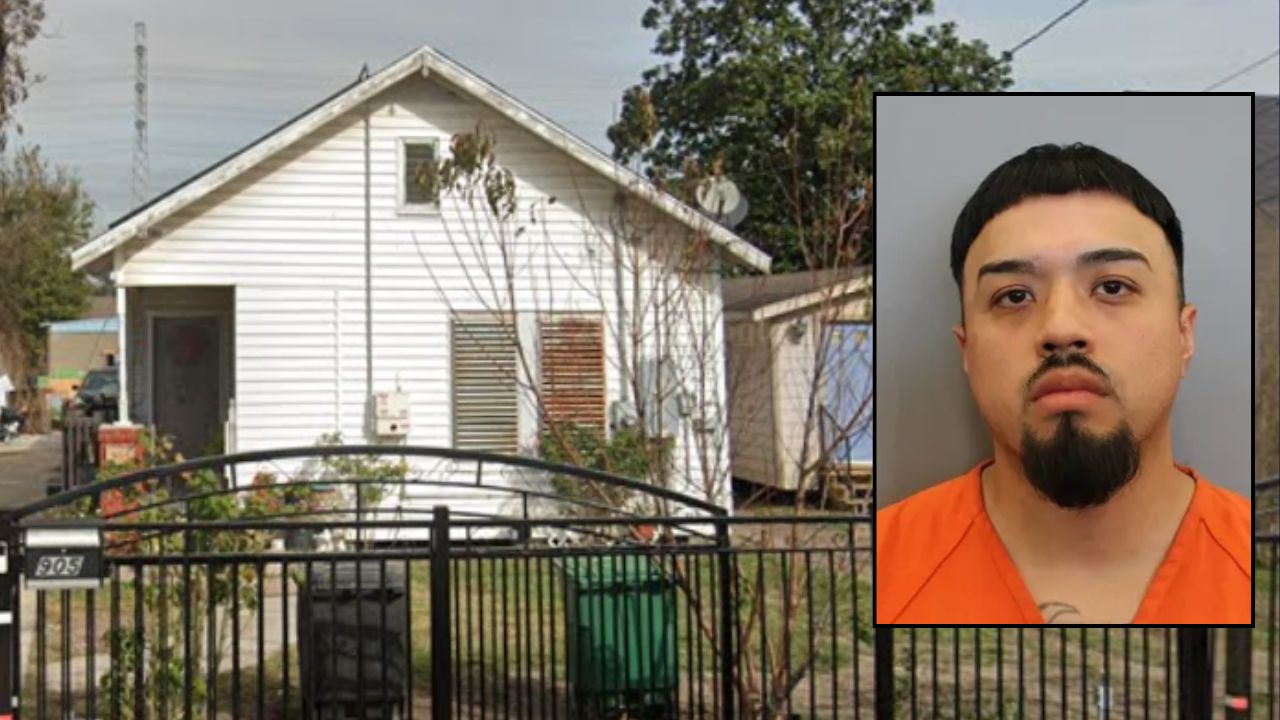
According to Law&Crime, David Elijah Herrera, 31, has been charged with capital murder in the brutal slayings of his ex-girlfriend, Cardona, and her current partner, Von Gerbitz. The incident unfolded shortly after the couple had dropped off their four-year-old son at school, leaving behind a chilling crime scene that first responders would discover around 8:15 a.m. On October 5. The scene was a stark contrast to the ordinary morning routine, a driveway stained with tragedy, echoing the final moments of two lives cut short. The young boy, oblivious to the horror that had transpired, was safe at school, yet his life was irrevocably changed. As investigators pieced together the events, the brutality of the crime underscored the volatile nature of domestic disputes that too often escalate to lethal violence.
Herrera was swiftly apprehended in Liberty County following these heinous acts. Police reports indicate that he not only committed the murders but later confessed to them. The details surrounding the arrest include witness accounts and the use of modern technology, like the Flock Safety license-plate readers, which tracked Herrera's vehicle. The video below captures the essence of this tragic morning and how swiftly events unfolded. Witnesses reported seeing Herrera's red Ford Fusion speeding away, a crucial detail that enabled law enforcement to track his movements quickly. The technology that monitored license plates played a pivotal role, illustrating how advancements in policing tools can aid in the rapid apprehension of suspects. However, the speed of the arrest was cold comfort to the families already grappling with their devastating loss.
The backdrop to this horror is a tale as old as time: a relationship turned sour, jealousy simmering into rage. Cardona had rekindled her relationship with Von Gerbitz after ending things with Herrera about a month prior. The night before the killings, threats had been made, ominously foreshadowing what was to come. Von Gerbitz's mother, Blanca, had moved him to Houston out of fear for his safety. Yet, her efforts ended in heartbreak, as the video below reveals more about the dire situation. Despite her intuition and attempts to protect her son, her fears materialized in the most tragic way. The emotional turmoil underpinning these events highlights the volatile intersections of love, anger, and desperation that can erupt into violence. This incident serves as a stark reminder of how quickly simmering tensions can escalate into irrevocable actions.
Family members have since shared with KHOU the chilling reality that Von Gerbitz had called 911 the night before, reporting Herrera's threats, only to wait four hours for a response that never came. This delay in police action is not just a footnote but a critical element of the tragedy, highlighting systemic failures that demand scrutiny and change. The unheeded call for help shows a troubling pattern where procedural gaps in law enforcement have profound, life-altering consequences. The family's recounting of their last interactions with Von Gerbitz paints a picture of desperate attempts to seek protection from a system that failed them. The haunting echo of a phone call unanswered adds another layer of tragedy, begging the question of how many more lives could be saved with timely intervention.
This case is not an isolated incident. It fits a broader pattern of domestic violence cases escalating into fatal confrontations. Historical cases like the 2016 shooting in Baton Rouge serve as grim reminders of when authorities' delayed or inadequate responses have cost lives. According to the National Coalition Against Domestic Violence, 20 people per minute are physically abused by an intimate partner in the U.S. Alone, a statistic that calls for urgent reforms. The pervasive nature of these incidents suggests a systemic issue that requires comprehensive policy changes. The statistics are more than just numbers; they represent real people whose lives are marred by violence. These patterns of abuse followed by inadequate responses indicate systemic weaknesses that must be addressed to prevent future tragedies and protect vulnerable individuals.
The silence that follows such statistics is deafening, echoing the need for immediate systemic change.
It's a chilling reminder that domestic violence often escalates beyond threats, demanding a more robust response from authorities.
It's a chilling reminder that domestic violence often escalates beyond threats, demanding a more robust response from authorities. The failure to act, even after being alerted, suggests a gap in the system's ability to protect those most vulnerable. Such lapses in law enforcement accountability need addressing, not just in Houston but nationwide. The persistent issue of inadequate responses to domestic violence incidents indicates a need for comprehensive reforms. There is a critical need for law enforcement agencies to evaluate their current protocols and utilize available resources effectively. Training officers to recognize and respond swiftly to such threats is crucial. Moreover, implementing technology that enables quicker response times and better coordination between agencies could significantly improve outcomes for those at risk.
For the community, this case raises concerns about the efficacy of restraining orders and protective services. It's not enough to have laws in place; there must be a commitment to enforce them effectively. The families of the victims, left to pick up the pieces, deserve to know that their loved ones did not die in vain, that change will come, that lessons will be learned. The gap between legal protections and their enforcement needs bridging. Communities must hold local law enforcement accountable, demanding transparency and improved response protocols. Additionally, increasing funding for shelters and support services for those in volatile relationships could provide vital lifelines. It is imperative that communities advocate for systems that prioritize the safety and well-being of their most vulnerable members.
And for the culture, the conversation must expand beyond awareness to action. Addressing the roots of domestic violence, including societal attitudes and systemic practices, is imperative. Communities must rally not just in mourning but in activism, pushing for policies that prioritize prevention and protection. Cultural shifts are necessary to dismantle the stigmas surrounding domestic violence. Public awareness campaigns can play a significant role in changing perceptions, encouraging individuals to speak out and seek help. Educational programs that focus on healthy relationship dynamics from a young age could also foster a more informed and empathetic society. By driving these discussions into action, communities can work towards a future where domestic violence is not tolerated, and support systems are robust and effective.
Beneath this tragedy lies the ever-present issues of race and class. Communities of color often face steeper challenges when seeking justice, with response times and support services not equitably distributed. This systemic inequality shows the urgent need for reforms that ensure every call for help is met with timely action, regardless of zip code. The disparities in how cases are handled highlight the broader issues of inequality within the justice system. Addressing these disparities requires a concerted effort to ensure that resources are allocated fairly and that all communities have equal access to protection. Policymakers and law enforcement agencies must work collaboratively to identify and dismantle barriers that disproportionately affect marginalized communities, ensuring justice and safety for all.
Moving forward, the legal proceedings against Herrera will unfold, but the real challenge lies in preventing future tragedies. It requires a societal shift and systemic overhaul. As the community watches this case progress, the hope is that it sparks a dialogue leading to real, lasting change. The question remains: will we listen and act, or let another tragedy go unheeded? The outcome of this case could set a precedent for how similar situations are addressed in the future. It is an opportunity for communities, lawmakers, and law enforcement to collaborate on creating comprehensive strategies that address the root causes of domestic violence. By prioritizing prevention and support, society can take meaningful steps towards breaking the cycle of violence and ensuring a safer environment for future generations.