Brian Anthony Williams: How a Beloved San Diego Chef Lived a Double Life
By Andre Coleman, PowerVault Staff In a bustling corner of Mission Beach, California, a local hotspot known for its Caribbean flair seemed like any other success story in the neighborhood. Miss B’s Coconut Club, a vib...

By Andre Coleman, PowerVault Staff
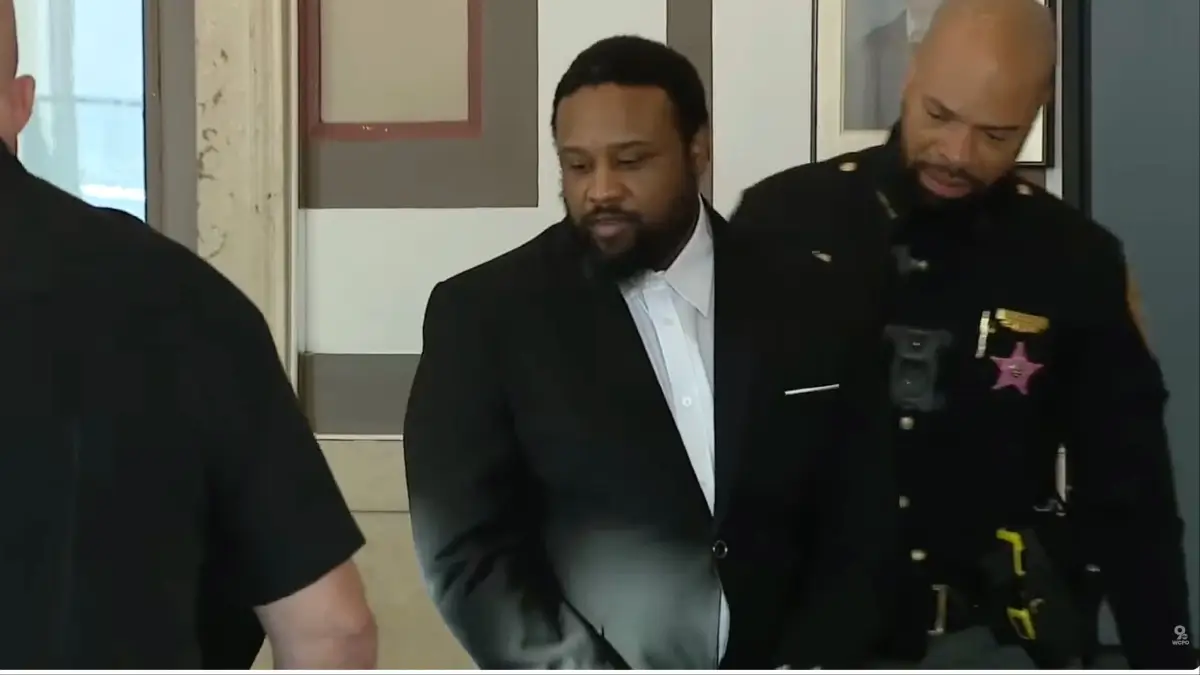
In a bustling corner of Mission Beach, California, a local hotspot known for its Caribbean flair seemed like any other success story in the neighborhood. Miss B’s Coconut Club, a vibrant establishment with the aroma of jerk spices wafting through the air, held a secret. Its head chef, known to patrons as Troy Williams, was not only a culinary wizard but also a man living a double life. Underneath his celebrated persona was a fugitive identity that had eluded law enforcement for over a decade. He was caught by U.S. Marshals on October 6, 2026, not for his impeccable vegan dishes, but for a past that couldn’t remain hidden any longer. The arrest sent ripples through the community, leaving many to question how such deception could persist for so long.
Making headlines on platforms like NBC San Diego, the story of this chef was far from ordinary. For over a decade, Troy Williams was a familiar face in the San Diego culinary scene, a figure admired for his innovation and community spirit. He dazzled in live TV cooking segments, charming audiences with his culinary prowess and charisma, and was even celebrated in a Black History Month feature for his community engagement. Yet, behind this facade was Brian Anthony Williams, a wanted man in Iowa for a violent crime committed 14 years ago. The U.S. Marshals Service disclosed the real identity of the man who had evaded justice for so long, unraveling a meticulously constructed life that had fooled many. His story highlights not just a personal deception, but also systemic vulnerabilities in tracking fugitives.
Williams' culinary talents shone brightly in San Diego, yet in 2012, a darker narrative unfolded in Davenport, Iowa. Prosecutors there charged Brian Anthony Williams with first-degree kidnapping, assault, and conspiracy. The charges stemmed from an incident involving Brittany Hamilton, a victim who was allegedly kidnapped, assaulted, and shot. Her ordeal left her abandoned in a field, a traumatic experience etched in the annals of local crime reports and a stark reminder of the brutality that can lurk beneath the surface. Authorities claim Brian's escape to the West Coast was an attempt to bury this past, creating a new life out of reach of his dark actions. The clip below captures a moment many now reconsider, as the truth of his violent history emerges.
The arrest at Miss B’s Coconut Club was a shock to those who knew him as Troy. It was as if a character from a crime thriller had stepped into reality, breaking the mundane rhythm of daily life with a jolt of disbelief. Eddie Jurado, the restaurant's general manager, expressed disbelief, recalling their shared history as roommates and the trust that had been built over years. To be blindsided by his alter ego seemed unreal, a betrayal that cut deeply into personal and professional relationships. Jurado's comments echo a broader sentiment: how did a figure so known and trusted in the community go undetected for so long? The discovery of Troy’s real identity feels like a scene ripped straight from a movie, leaving many to ponder the nature of identity and deception.
In the quiet town of Davenport, Williams was no stranger to the media. His image flashed across screens during “Most Wanted” segments, a face associated with danger and a name that echoed through local news bulletins. Yet, his public persona in San Diego remained unblemished until an anonymous tip unraveled his carefully woven new life. This abrupt exposure of his hidden identity marked a turning point, raising questions about the efficacy of systems that allow identities to shift under the radar. Such lapses in oversight suggest a need for more stringent measures in tracking individuals with a criminal past. The video that follows offers insights into his public reinvention, showing a man who had mastered the art of deception in plain sight.
The case of Brian Anthony Williams isn’t isolated. It taps into a broader history of individuals who manage to slip through societal cracks after committing serious crimes. Recall the story of the infamous Whitey Bulger, another high-profile fugitive who lived under an alias while engaging with his community. Bulger evaded capture for 16 years before his arrest in 2011, demonstrating the lengths to which individuals will go to escape justice. Similarly, Brian’s story shows systemic lapses in law enforcement and judicial processes that allowed him to thrive undetected for years. Such narratives are not merely about individual failures but point to over-arching patterns of oversight and the urgent need for reform. These cases compel us to reflect on how our systems can be manipulated by those intent on evading the law.
How did a fugitive like Williams become a celebrated figure in the local community?
The system that allowed him to thrive under a new identity is the same one that too often fails to deliver justice or protect victims.
One might consider the factors at play within the law enforcement apparatus. Was this a failure of inter-state communication, or did Williams exploit loopholes that others have overlooked? The fragmented nature of state and federal systems may have allowed him to operate with impunity, highlighting weaknesses in the sharing of critical information about fugitives. The reliance on tips, rather than proactive investigation, suggests a dependency on chance rather than skill, indicating a reactive rather than proactive approach to law enforcement. It's a scenario that reflects poorly on a system purported to ensure safety and justice. The system that allowed him to thrive under a new identity is the same one that too often fails to deliver justice or protect victims. It calls for a reevaluation of how resources are allocated and utilized in tracking and apprehending fugitives.
For the community in San Diego, the revelation is a bitter reminder of how easily appearances can deceive. The trust placed in an individual who becomes a part of everyday life can abruptly shatter, leaving behind a trail of disbelief and betrayal. It's a sharp contrast to the community celebrations seen during events like the Southern University Homecoming, where shared history and identity are embraced with pride and joy. The Instagram post below encapsulates the shock felt by many, capturing the collective disbelief of a community that had unwittingly embraced a fugitive. This incident serves as a cautionary tale, reminding communities everywhere of the potential for deception and the importance of vigilance, underscoring how the veneer of normalcy can obscure darker truths.
For victims like Brittany Hamilton, the arrest revives a painful chapter they might have tried to close. The legal process awaiting Williams will be a test of Iowa’s judicial resolve to redress past wrongs and deliver justice for crimes committed long ago. It’s a moment that places the spotlight on how justice handles cases that span years and various jurisdictions, testing the endurance of the legal system in pursuing accountability. The power dynamic here is unsettling; it’s a stark reminder that while some can rebuild and hide, others remain trapped by trauma and the long shadows of past events. This arrest signifies hope, however slim, that justice might finally be served, offering a measure of closure to those affected by his actions while reinforcing the necessity of a justice system that is swift and equitable.
Race and class dynamics hover beneath this narrative. Williams’ ability to blend into a predominantly white, affluent area speaks to disparities in how different communities are policed and perceived. In comparison to other cases like the Rodney Hinton trial, where nuances of racial inequity are clear and present, Williams’ story shows a different facet of systemic inequality. It raises difficult questions about who has the privilege to escape and start anew, and how societal biases may influence the leniency or scrutiny applied to individuals based on race and socioeconomic status. The ease with which Williams integrated into a new life suggests a troubling inconsistency in the vigilance applied to different populations, prompting a deeper examination of the social structures that allow such disparities to persist.
Going forward, Brian Anthony Williams’ extradition to Iowa will be keenly observed, not just for the courtroom drama it promises, but for the lessons it imparts about our justice system's limitations. How many others have slipped through similar cracks, and what will be done to prevent this in the future? These cases challenge all of us to scrutinize the systems we rely on and demand more from those tasked with protecting our communities. As the legal wheels turn once more, let us remain vigilant and never complacent, as justice itself hangs in the balance. The need for comprehensive reform in tracking and capturing fugitives is evident, and Williams' case serves as a catalyst for much-needed change. This moment calls for a collective effort to ensure the integrity and effectiveness of our justice system.