Deshaun Watson's Uphill Battle: What It Means for Black Quarterbacks in the NFL
By Tanya Brooks, PowerVault Staff The roar of the crowd at FirstEnergy Stadium in Cleveland has a unique energy to it. It’s electric, restless. Deshaun Watson takes his place on the field, his eyes scanning the defens...
By Tanya Brooks, PowerVault Staff
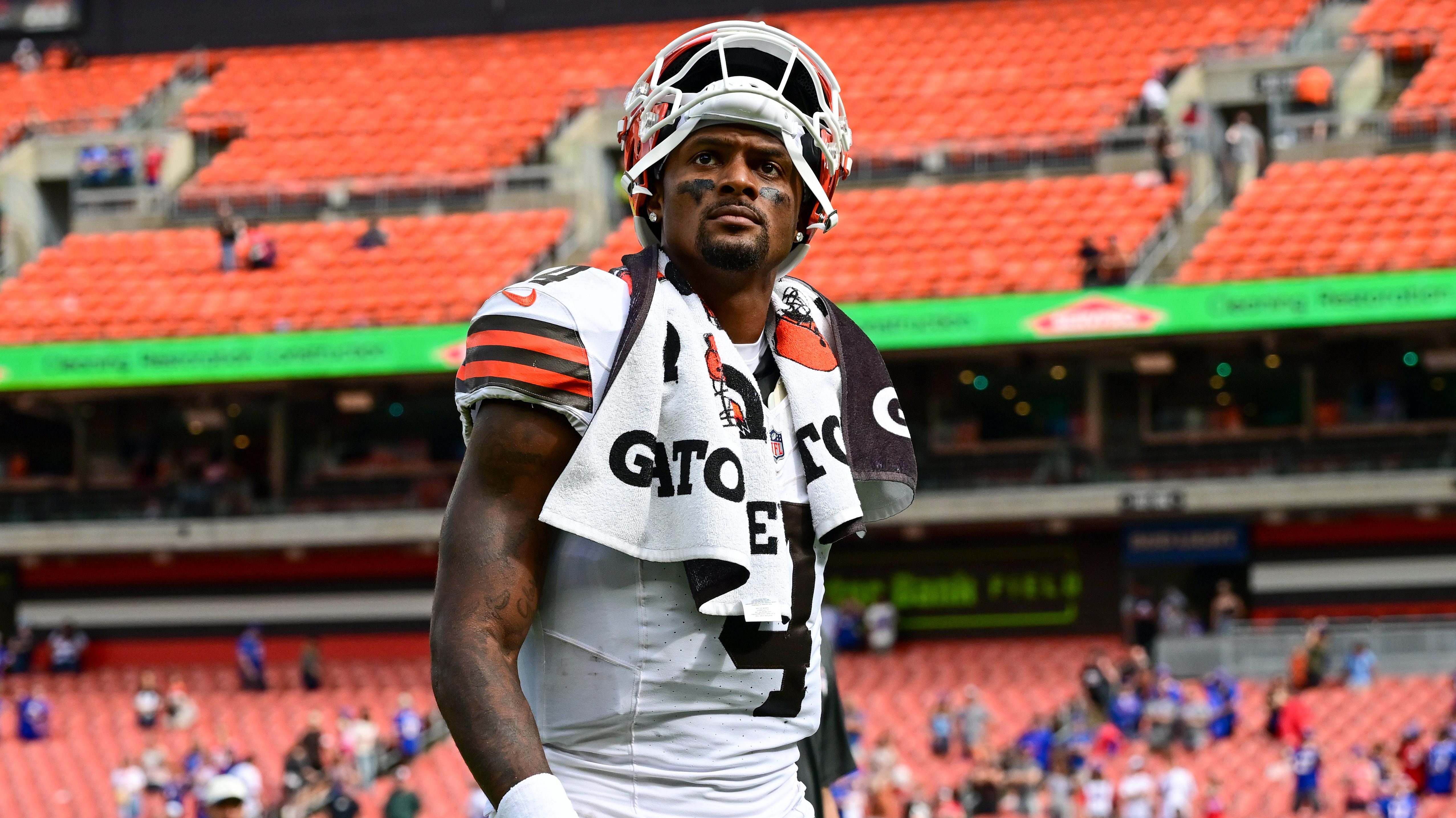
The roar of the crowd at FirstEnergy Stadium in Cleveland has a unique energy to it. It’s electric, restless. Deshaun Watson takes his place on the field, his eyes scanning the defense, but the weight he carries isn’t just in the form of a leather ball. It’s the expectations, the history, and the burden of representation that seems to cling to the jersey of every Black quarterback who has come before him.
Watson’s opportunity with the Cleveland Browns isn’t just a second chance at professional redemption after a tumultuous off-field saga; it’s an ongoing narrative that Black quarterbacks face daily. From the moment they step on the gridiron, they're not just battling the opposing team. They're battling stereotypes, skepticism, and a legacy of doubt. This isn't new. Black quarterbacks have long been subject to a different kind of scrutiny, forced to prove not just their athletic prowess but their intelligence and leadership.
The question surrounding Watson is whether he can rise above the noise and lead the Browns to the promised land. After all, the Browns didn’t just sign him for his arm. They bet the farm on him, trading away future draft picks and shelling out a guaranteed $230 million over five years. That's more than a contract; it's a statement. It's a bold declaration that they believe Watson can be the franchise’s savior, a role that Black quarterbacks are often denied despite their talent.
Throughout the NFL’s history, Black quarterbacks have been judged by a different set of standards. Marlin Briscoe, the first Black starting quarterback in the AFL, broke barriers in 1968 only to be converted to wide receiver, a position deemed more fitting at the time. Fast forward to today, and we see Lamar Jackson, Jalen Hurts, and Jayden Daniels, each carrying the torch through the leagues of fans and skeptics, charged with proving their worth beyond their stat sheets.
In the broader conversation of race and sports, Watson’s predicament is a part of a recurring theme. The systemic challenges Black athletes face in predominantly white sports institutions aren’t limited to football. They’re woven into the fabric of the industry, where every move is magnified, analyzed, and often criticized through a racial lens.
Hurts and Jackson are prime examples of this dichotomy. Both have demonstrated exceptional talent and leadership, yet find themselves having to continuously affirm their capabilities. Jackson, in particular, had to publicly defend his worth before the Ravens secured him with a long-term deal. It was a stark reminder of the hurdles Black quarterbacks face concerning respect and compensation.
And here lies the contradiction: when Black athletes dominate, they're phenomenal, but when they falter, they're often reduced to stereotypes. It's a precarious balance, and one that Watson must handle carefully, especially with the added pressure of off-field controversies. While the NFL likes to tout diversity and inclusion, the realities faced by its Black athletes often paint a different picture.
The clip from a recent press conference with Watson, where he addressed the scrutiny he faces, offers a glimpse into his mindset.
His words reflect the resilience that's become an unspoken requirement for Black quarterbacks. There's a stoicism there, a need to stay composed amid a storm of expectations. Any misstep, and the critics will pounce, eager to reinforce the tired narrative that Black quarterbacks can't lead a team to victory.
But it’s more than just the individual struggle. This is about reshaping a narrative that’s been wrong for so long. It’s about proving that Black quarterbacks can command the field with the same dexterity and intelligence as their white counterparts. It's about showing that their success isn’t an anomaly but a testament to their hard work and dedication.
Watson's journey in Cleveland is a microcosm of a larger battle for equality in sports. It calls attention to the racial dynamics that are still very much alive and well in the NFL. And it challenges fans, teams, and the league to confront the biases that persist, no matter how subliminal they might appear.
Any misstep, and the critics will pounce, eager to reinforce the tired narrative that Black quarterbacks can't lead a team to victory.
Reflecting on the pioneering paths of Doug Williams, the first Black quarterback to win a Super Bowl, and Russell Wilson’s historic win with the Seahawks, one sees a trajectory of progress that appears promising yet is still incomplete. The spotlight on Watson and his peers isn’t just about their performance. It’s about the evolution of the sport itself and the breaking of long-standing barriers that have limited opportunities for Black athletes in leadership positions on the field.
As Watson continues his season with the Browns, fans and critics alike will dissect his every play. They’ll look for signs of brilliance and moments of failure. But for Watson, it’s not just about silencing the doubters; it’s about redefining what it means to be a Black quarterback in the NFL once and for all.
The upcoming games will be telling, not just for Watson but for the NFL's enduring narrative on race and talent. Will the league move toward a future where talent is valued over stereotypes? Where leadership is recognized beyond the confines of race? The answer will unfold on the field, in the locker rooms, and in the hearts of every young Black athlete watching, hoping, and daring to dream.
What happens next is up to more than just Deshaun Watson. It's up to the NFL, the fans, and the entire sports community to embrace a new era where success isn't shadowed by racial preconceptions but celebrated for the achievement it truly is.